
French Air Force Suffering Acute Air-to-Air Missile Shortage in Ongoing Operations Against Iran
Military Watch Magazine Editorial Staff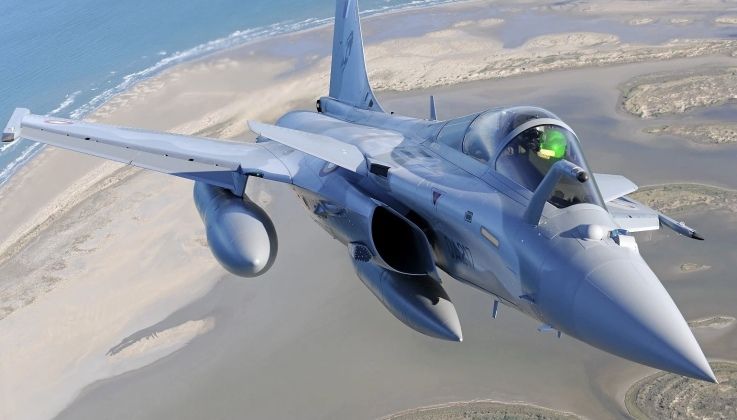
French Rafale Fighter
The French Air Force is suffering from an acute shortage of air-to-air missiles, due to extensive operations against Iranian drones in the Gulf region. According to the French paper La Tribune, the rapid depletion of ammunition has raised serious concerns regarding the further combat capability of the air force, with French Defence Minister Sebastien Lecornu having convened an urgent crisis meeting during which measures to replenish missile stocks were discussed. Since the United States and Israel initiated hostilities against Iran on February 28, their forces have also been widely reported to be running critically low of multiple types of missiles. Most notable among these are anti-ballistic missile interceptors for systems such as the Barak, THAAD, and Patriot, although various missile types used to attack Iranian targets from beyond the range of its air defences, such as the U.S. Navy BGM-109 Tomahawk, are also insufficiently supplied for sustained use.
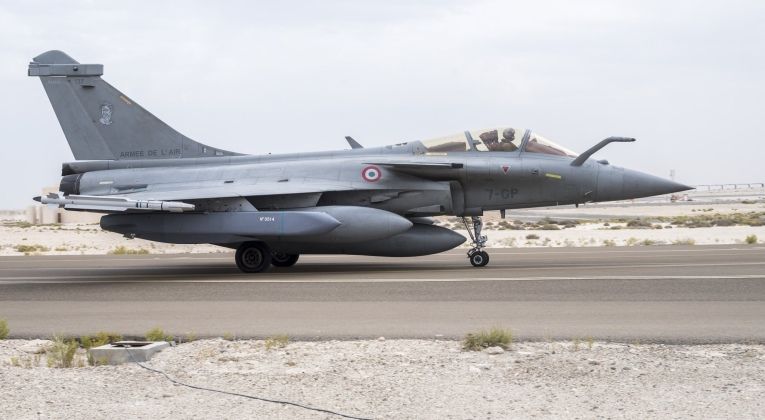
Although French Air Force’s readiness is considered among the foremost in Europe, it has nevertheless long been in well below required levels particularly when compared to the standards of the air forces of other regions. The country’s Rafale fighters integrate the Meteor air-to-air missile as their primary anti-aircraft armaments, which are considered far too costly to be used against single use attack drones. Older MICA radar-guided and Magic II infrared-guided missiles are more likely to have been used, although even these cost 40-60 times as much as Iranian single use attack drones like the Shahed 136, making it highly cost effective for Iran to continue launching strikes using such aircraft. French air units have relatively little experience of air-to-air combat, even for counter drone operations, while French fighters lack the high weapons carrying capacities, long ranges, high speeds, and powerful radars of the U.S. and Israeli F-15s that have been more heavily relied on for such air defence duties.
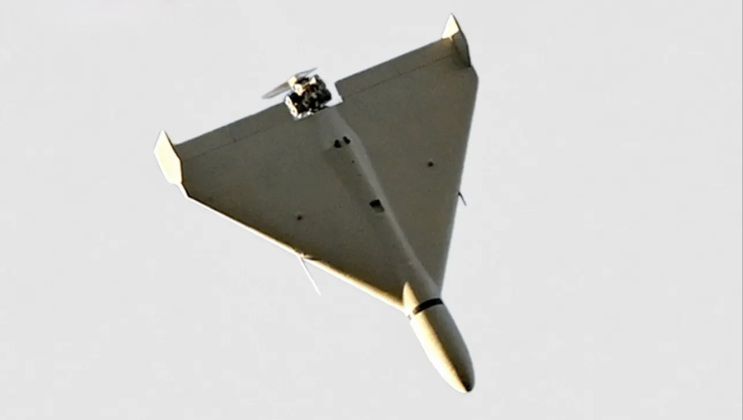
France is one of multiple NATO members that is directly supporting the U.S.-led offensive against Iran by providing key air defence support, with the United Kingdom and Turkey having also deployed fighter aircraft for this purpose. Iranian drone operations have achieved multiple significant successes, most notably the destruction of $2.7 billion worth of high value radar systems during the first week of engagements, which has severely diminished missile defence capabilities particularly for THAAD systems and for the Israeli anti-missile network in the region. Footage has consistently shown that ballistic missile defence efforts, and particularly those conducted outside Israel, have been highly underwhelming. Single use attack drones such as the Shahed 136 are at the lowest end of the Iranian arsenal of medium range offensive armaments, while ballistic missiles with advanced hypersonic glide vehicles, most notably the Fattah 2 which has been used to strike Israeli targets, are at the top end. Fighter aircraft have no anti-ballistic missile capabilities, and are relied on primarily for attacks on Iran and for air defence against unmanned aircraft.
