
Japan’s Ageing Frontline Fighter Units Face Major Strain From Advancing Chinese and Russian Capabilities
Military Watch Magazine Editorial Staff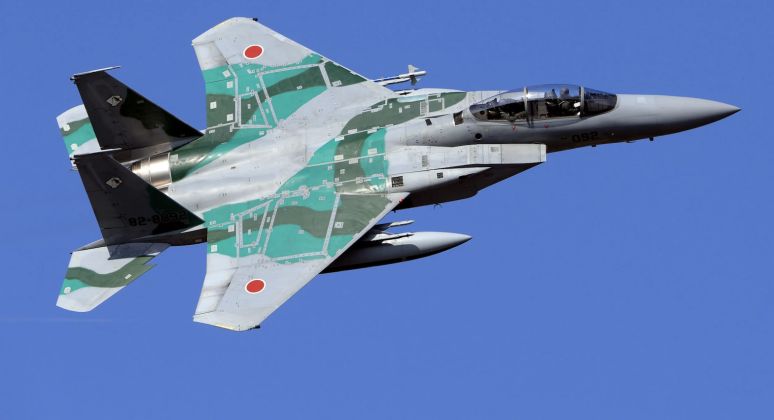
Japan Air Self Defence Force F-15J Fighter
Japanese Defence Minister Shinjiro Koizumi has warned of growing challenges to the country’s air defences, making remarks during a visit to Chitose Air Base on the northern island of Hokkaido on May 23 where he watched fighter pilots rehearse one of the most demanding routine missions in the armed forces. Fighters were launched on emergency intercept against Russian military aircraft approaching the country’s airspace, which they have conducted approximately four times a year during Fiscal Year 2025. Hokkaido closely borders the Russian Far East, and is expected to be a major hotspot for hostilities in the event of escalated hostilities between Russia and NATO due to the hosting of extensive U.S. military bases on Japanese soil.
Minister Koizumi warned that Russia’s deepening military coordination with China represented “a serious defence concern,” highlighting that the sustained military pressure facing Japanese forces can no longer be treated as background noise. Facilities on Chitose are positioned to respond to aircraft approaching from Sakhalin, the Sea of Okhotsk, and the Kuril Islands which Japan continues to lay territorial claim to. A primary cause for Japanese forces to scramble fighters has been operations by Russian Tu-95MS strategic bombers, which Western sources report are used to probe Japan’s air defence identification zone. Russian naval patrol aircraft also operate extensively in the Sea of Japan. These aircraft at times have armed escorts, with Russian Su-35 fighters and MiG-31BM interceptors both stationed in the vicinity.
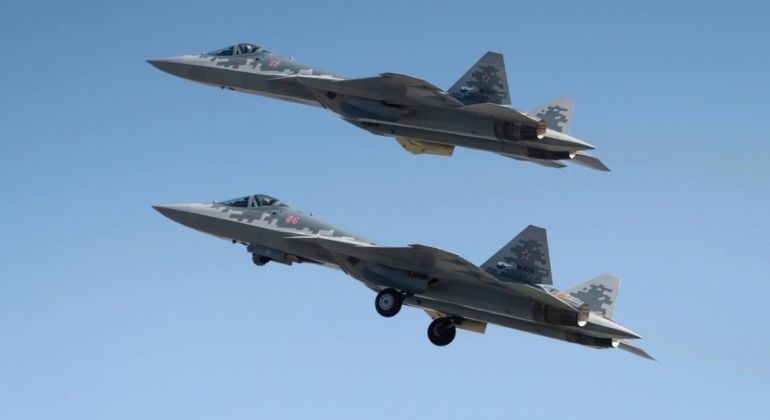
In February the Russian Aerospace Forces concentrated deployments of new Su-57 fifth generation fighters at Dzyomgi Air Base in the Khabarovsk region near Japan, with at least 15 of the aircraft seen parked in the open at the airfield. The facility is considered one of the most sensitive in Russia, and has since the late 2010s hosted Su-35 air superiority fighters, while being located close to Tsentralnaya Uglovaya Air Base which hosts both the Su-35s and the MiG-31BMs. The arrival of the Su-57s closely coincides with the delivery of a new batch of the aircraft to the Aerospace Forces. The deployment of Su-57s is expected to pose much greater challenges to Japanese and U.S. fighter units, and may have been made in response to the rapid deliveries of F-35 fifth generation fighters to both Japanese fighter units and to U.S. Air Force, Navy and Marine Corps units that all separately operate from Japanese bases.
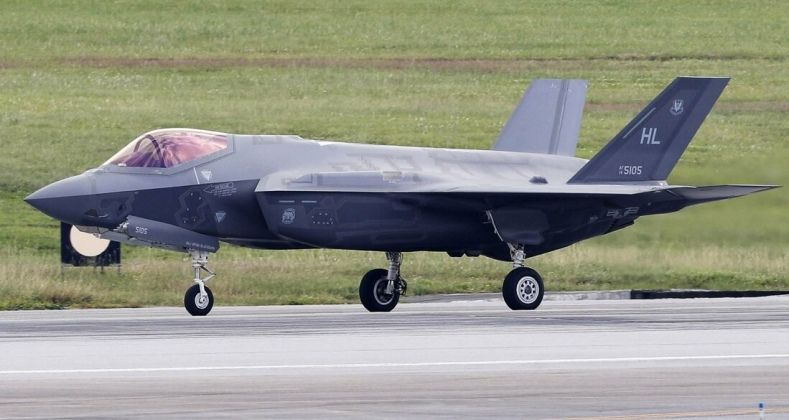
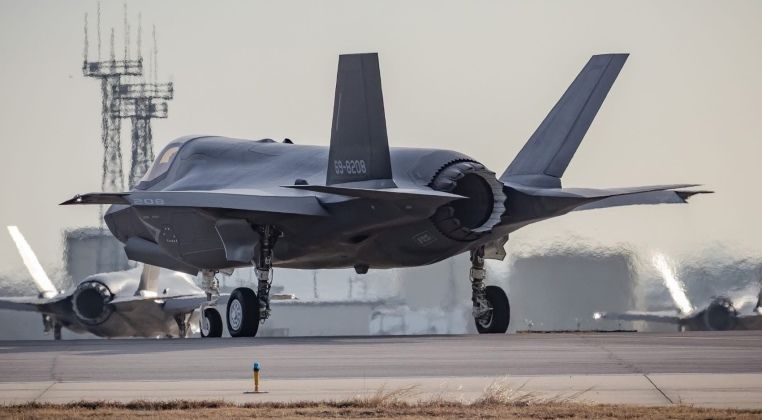
Increasingly serious questions have been raised regarding the viability of the Japanese fighter fleet for high intensity engagements, with the backbone of the fleet formed of F-15J fighters that, although cutting edge when first procured in the early 1980s, are today largely obsolete. The smaller fleet of under 100 F-2 fighters which entered service from the early 2000s are more modern, but still far from cutting edge, and are limited by their lightweight airframes and resulting short ranges, low weapons carrying capacities, and small radars. This leaves only a limited number of F-35s capable of engaging Russian and Chinese ‘4+ generation’ and fifth generation fighters, with major delays upgrading these aircraft to the Block 4 standard significantly undermining their combat potentials.
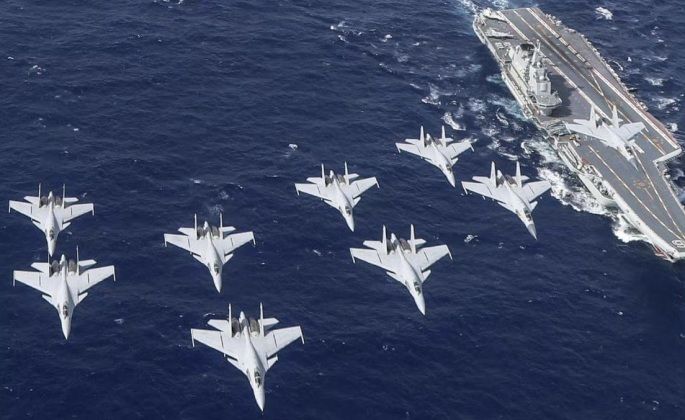
The Japanese military leadership is reported to have been highly unsettled, to the point of being “freaked out” in the exact words used in one report, by the results of two engagements between Chinese J-15B and Japanese F-15 fighters on December 6, 2025, after the Japanese fighters were overwhelming outmatched. The incidents have thus been described as a “sobering awakening” for Japanese air power planners, with the J-15’s sensors and broader avionics suite having operated on an entirely different level. Widespread expectations of major delays to the GCAP fifth generation fighter program, in which Japan is a leading partner, has raised speculation that Japan could soon expand orders for F-35s, and show an interest in procuring enhanced ‘5+ generation’ variants of the U.S. aircraft. Nevertheless, with China poised to lead the world by close to a decade in fielding sixth generation fighters, a worsening balance of power in the air appears increasingly unavoidable for Japan.
