
Britain and Japan Accelerate Work on Joint Stealth Fighter Program: Can it Match the F-35?
Military Watch Magazine Editorial Staff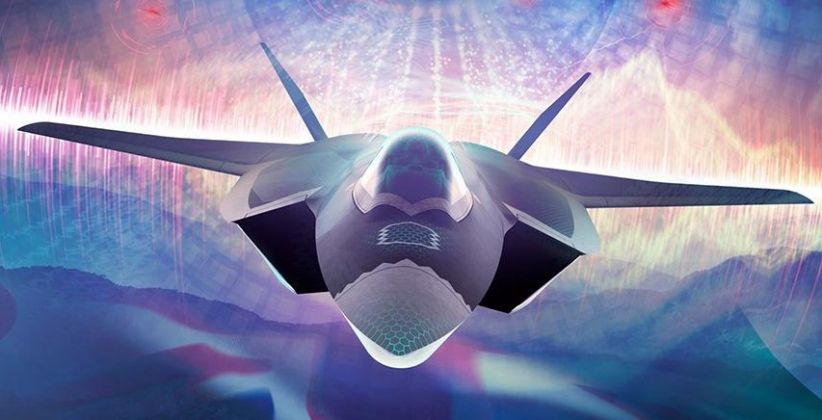
GCAP Fighter Artwork
Japanese Defence Minister Shinjiro Koizumi has discussed the development of the Global Combat Air Programme (GCAP) with the program’s CEO, Marco Zoff, stressing that development was “an extremely important project that will determine Japan’s future air capabilities.” Zoff informed the minister that moving the program forward with greater speed was essential. Originating in the United Kingdom as the Tempest program, Japan joined the program in December 2022, while Italy had previously joined as a more minor partner. There have been significant tensions between program partners, as Japanese officials have reportedly attributed much greater urgency to development, in the face of much greater air power challenges from neighbouring China. The ability of the United Kingdom and Italy to support the achieving of a service entry on schedule by 2035 has been repeatedly questioned.
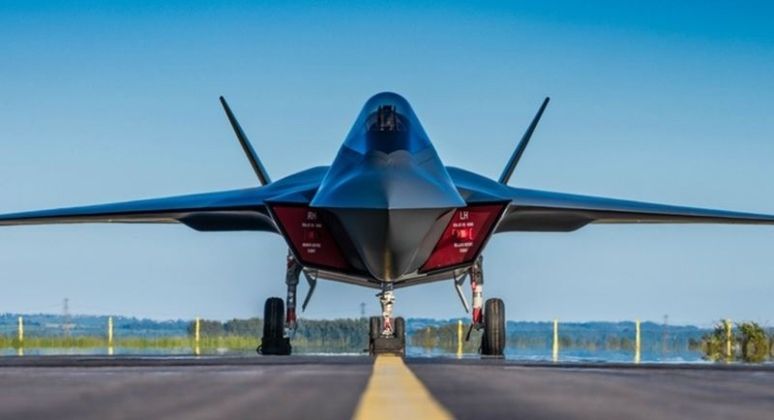
At meeting on November 25 Minister Koizumi held detailed talks with his British and Italian counterparts regarding the program’s status and plans to keep it on schedule. His meeting with Zoff closely coincides with a report that the United Kingdom is preparing a £6 billion funding package for GCAP to secure its next development phase, which is vital to keep the program on schedule. The funding would shift the program from temporary financing into a fully sustained development effort, which will cover airframe engineering, propulsion, sensors, weapons integration and certification. A leading cause for concern regarding the program’s future is that partner countries have little experience in stealth fighter development and long histories of major development delays in major weapons programs, while the last fighter program involving the United Kingdom or Italy as major partners, the Eurofighter, was widely considered to be far from competitive for its time and remained decades behind the cutting edge in integrating new capabilities.
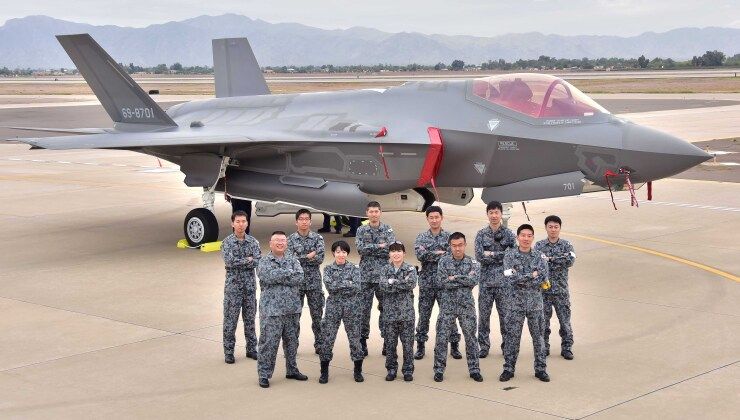
Although the GCAP has been marketed as a sixth generation fighter program, analysts have widely concluded that it is much more likely to produce a ‘5+ generation’ aircraft of comparable sophistication to enhanced variants of the U.S. F-35. The vast technological and funding discrepancies separating the three program partners, from the U.S. and China which are pursuing genuine sixth generation fighter programs, are a notable indicator of this. Another is that the U.S. began flying fifth generation fighter prototypes in 1990 and China in 2011, while European states have yet to do so. The current most capable British, Italian or Japanese fighters the Eurofighter and F-2 themselves struggle to complete not only with U.S. and Chinese fifth generation fighters, but also with their more advanced fourth generation fighters such as the F-15EX and J-16. There remains a significant possibility that should the GCAP face delays, which are widely expected, partner countries could considering expanding orders for enhanced variants of the F-35 to serve as a stopgap, With the F-35 program benefitting from significantly greater funding and economies of scale, it is very likely to be a much more cost effective aircraft than that developed under the GCAP, and very possibly a more capable one.
