
Is Algeria Really Planning an Order for Russian Su-57 Next Generation Fighters?
Military Watch Magazine Editorial Staff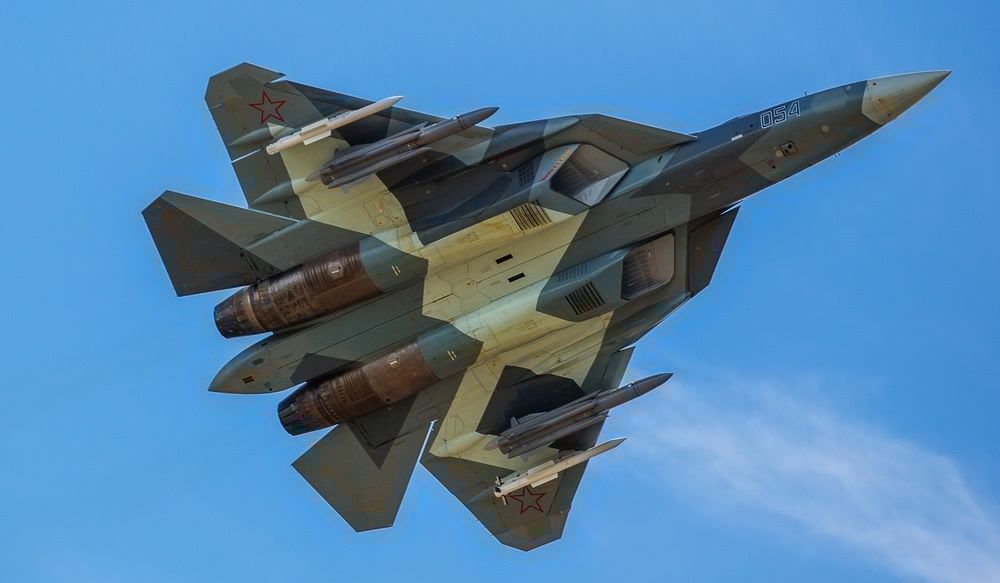
Su-57 Next Generation Air Superiority Fighter
Recent reports from a number of media outlets have indicated that Algeria is negotiating a contract for the acquisition of Russian Su-57 next generation air superiority fighters, alongside Su-34 and Su-35 platforms, to upgrade its air fleet. While Algeria has long been speculated to be a leading client for the Su-57, and remains a leading client for Russian hardware, such reports remain unverified. It would hardly be the first time that a major arms sale was reported only to prove groundless, including Iranian, Egyptian and and Algerian contracts for Su-30, MiG-35 and Su-34 fighters respectively in 2015 and a Syrian contract for MiG-31 Foxhound interceptors in the mid 2000s among others. While reports may exaggerate the imminence of an Algerian Su-57 deal however, there remains a considerable chance that such a purchase will be made eventually - and that the fighter is being seriously considered not necessarily for an immediate purchase, but possibly for a purchase in the mid-late 2020s.
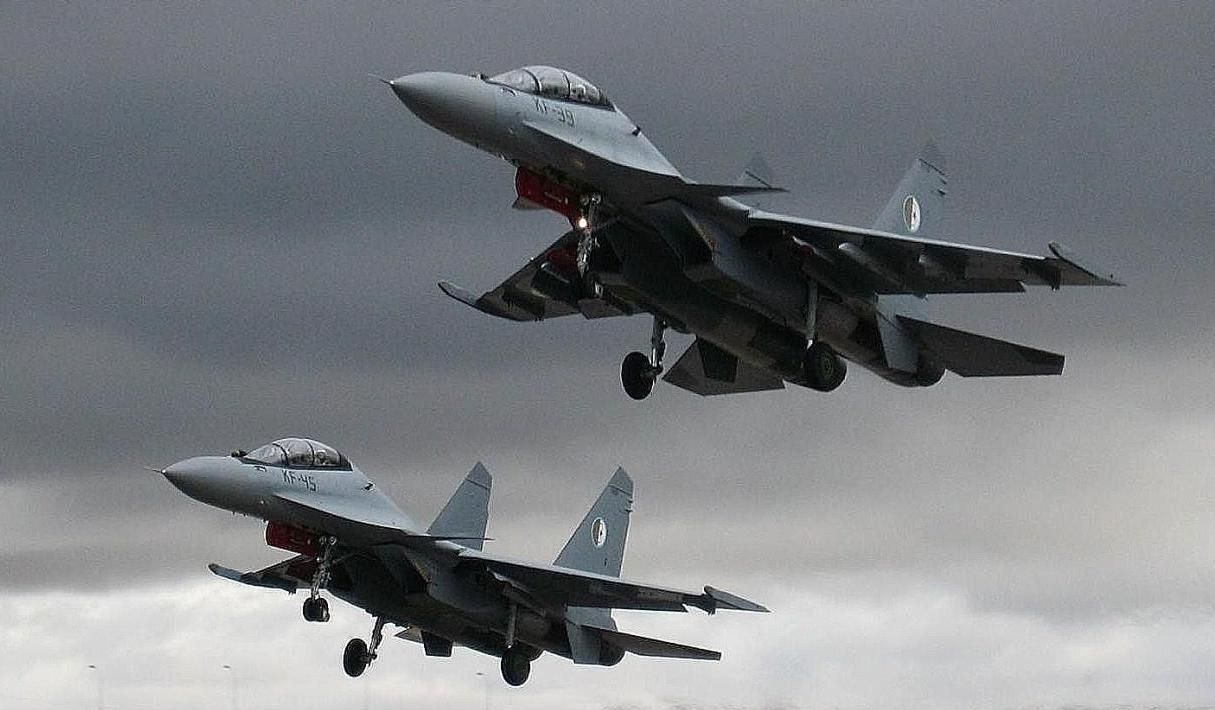
The backbone of the Algerian Air Force’s fighter fleet is currently comprised of three squadrons of Su-30MKA Flanker twin seat heavyweight fighters, between them fielding 44 of the advanced combat jets. These are supplemented by 23 MiG-29C medium weight multirole fighters, 37 Su-24 strike fighters and approximately a dozen MiG-25 Foxbat interceptors - the last having been upgraded extensively in Ukraine to provide fourth generation capabilities. While the Algerian fleet is the most modern in Africa, its Su-30MKA fleet will not be sufficient to provide an advantage over potential adversaries indefinitely - particularly as Western European states move to develop sixth generation fighter programs and purchase F-35 stealth fighters from the United States. It is against these states, which spearheaded the Western attack on neighbouring Libya in 2011, that the Algerian Air Force must retain qualitative parity and if possible a qualitative advantage - supplemented as it is by the most advanced air defence network on the African continent. This combined with the age of a number of its combat jets, the MiG-25 and the MiG-29C in particular, means Algiers will likely look to Russian for more sophisticated platforms in future.
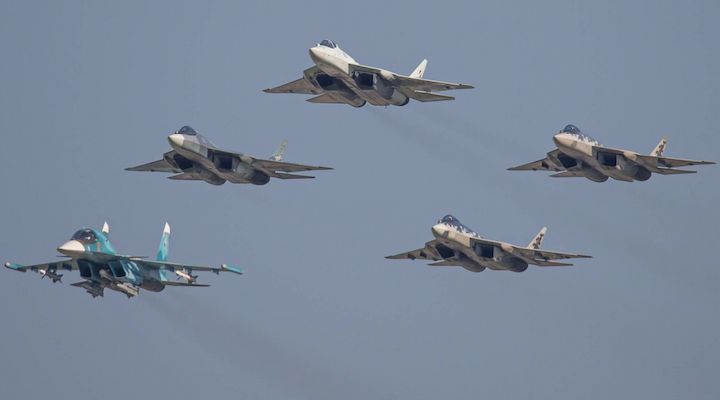
Algeria’s options to upgrade its fleet and potentially replace the Su-30MKA are limited. One option is that Algerian Flankers could be upgraded to a ‘4++ generation standard, under a similar package as that being offered for the Indian Su-30MKI fleet, which will include new engines and Irbis-E radars from the Su-35 to improve situational awareness and flight performance. New radars will also likely allow the fighters to integrate next generation munitions such as the R-37M hypersonic air to air missile. Another more costly option, which could be pursued in parallel to upgrades to part of the Su-30 fleet, is the acquisition of Su-57 next generation fighters. The aircraft remains the obvious choice for all operators of the Flanker design to replace the aircraft in frontline service for next generation combat, and as the platform enters service in the Russian Air Force in greater numbers and integrates more advanced next generation technologies its popularity is likely to grow.
Replacing Flankers with more advanced Flanker derivatives, the Su-35 for example, can offer a number of advantages but ultimately falls short of the upgrade needed to contend with next generation threats which will emerge in mid-late 2020s. With Chinese J-20 next generation fighters not being offered for export the Su-57 represents the most viable option - one which several Su-27 and Su-30 operator’s are likely to seriously consider in the coming decade. Algeria is very likely to be considering a Su-57 purchase already, but unless it is intended to replace the MiG-25 Foxbats which are set to be retired in the near future, such a purchase is likely going to wait until the Su-30MKA ages further and the Su-57 design is further refined and improved with next generation technologies.
