
Belgium Chooses American F-35 Stealth Fighters Over European Competitors for Air Force Modernisation Program
Military Watch Magazine Editorial Staff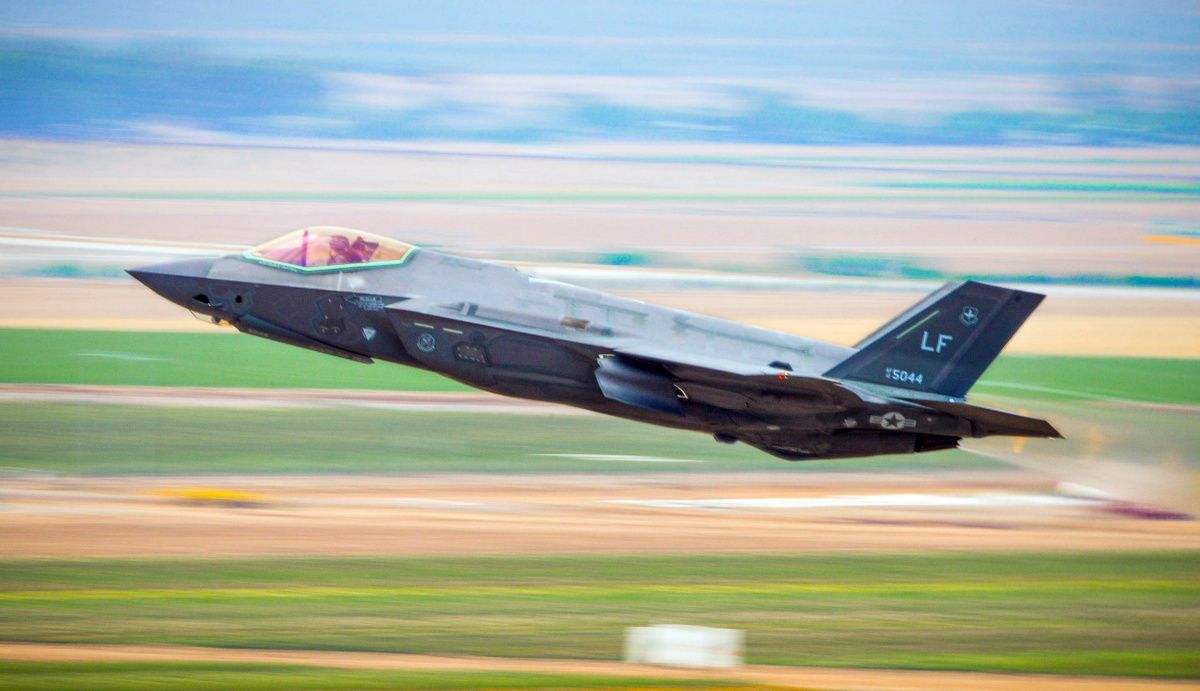
F-35 Fifth Generation Fighter
Belgium’s armed forces have reached a long awaited decision regarding the fighter jets it will acquire to modernise its military’s aerial warfare capabilities, and the Air Force is set to receive 34 of America’s F-35 Joint Strike Fighters. One of just three fifth generation fighters to have entered large scale production, and the only single engine light fighter ever developed with advanced end stealth capabilities, the F-35 is a next generation successor to the F-16 Fighting Falcon - which currently forms the mainstay of the Belgian combat fleet as the country’s only fighter jet. Belgian interest in acquiring the stealth fighters was first reported in 2011, when a leaked cable from from the American ambassador showed that the Defence Ministry intended to acquire the jets by 2020. The F-35‘s most outstanding features include its powerful next generation Pratt and Whitney F135 engine, its advanced next generation sensors including an AESA radar and IRST system, and its radar cross section reducing airframe.
Leading competitors against the F-35 for a Belgian contract included the Eurofighter Typhoon and the French Dassault Rafale ‘4+ generation’ fighters - though it was long speculated that Brussels was likely to prioritise the more sophisticated American jet over the European platforms. The far larger scale on which the F-35 is manufactured relative to the European jets, combined with the greater efficiency of the American defence sector, means that while the fighter is considerably more sophisticated - its acquisition cost is considerably lower than its European counterparts. The two European jets, while far more costly, field less capable sensors, avionics, engines and radar evading capabilities. France notably tried to compensate for the relative inefficiency of its own fighters by offering Belgium considerable economic incentives to offset the costs of the Rafale - promising a “strategic and economic partnership” to make its aircraft more attractive. This included an economic return of 100% of the purchase price - amounting to approximately 20 billion euros over 20 years and more than 5,000 high-tech jobs, should Belgium purchase the French fighter. The considerable superiority of the F-35 relative to its French counterpart appears to have outweighed France’s offers of economic gains however.
Belgium has aided the United States in a number of military interventions abroad, primarily through the deployment of its fighter aircraft, with Belgian F-16 fighters reportedly having taken part in an American led attack on Syrian ground forces in Deir Ez Zor in 2016. With a $3.5 billion contract to acquire F-35 fighters Belgium’s fleet is set to continue to be highly interoperable with that of the United States, and further orders for F-35 fighters remain likely.
