
India Plans Purchase of Hundreds of Russian R-37M Air-to-Air Missiles to Revolutionise Su-30MKI Fighters’ Long Range Firepower
Military Watch Magazine Editorial Staff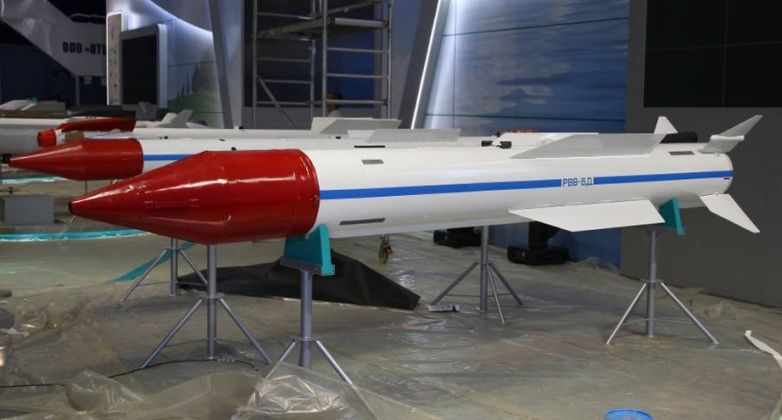
R-37M Air-to-Air Missiles
Multiple Indian sources have reported that the Indian Air Force is planning to make a very large scale procurement of several hundred R-37M long range air-to-air missiles, which will more than triple the engagement ranges of the Su-30MKI fighters that form the backbone of its combat aviation fleet. The decision was reported influenced by operational experience during clashes with Pakistani forces in May 2025, during which the newly procured S-400 air defence system and its 40N6 surface-to-air missiles played invaluable roles in disrupting Pakistani support operations, destroying a high value electronic warfare aircraft or AEW&C system deep inside Pakistan’s airspace, while other missiles fired by the S-400 were credited with destroying five fighters. While the S-400’s performance was widely praised, leading to plans to double the numbers in service in India, the air-to-air capabilities of both the Su-30MKI and the Rafale were reported to have been limited against Pakistan’s newly procured Chinese J-10C fighters, with at least one Rafale, and possibly as many as four, having been shot down.
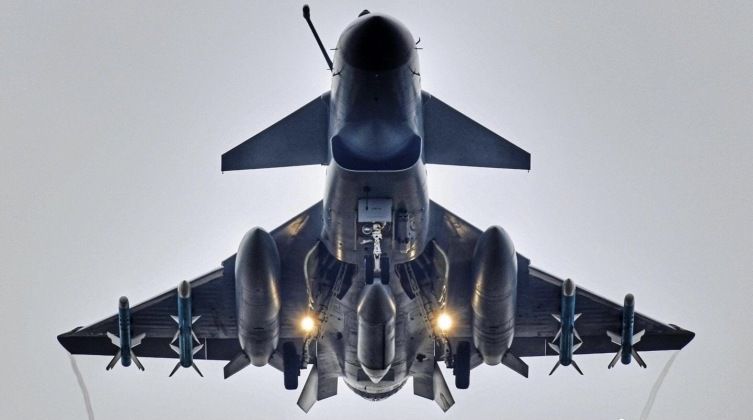
Although cutting edge when first brought into service in 2002, and widely considered the most capable fighters operational anywhere in the world at the time, the capabilities of the Su-30MKI have aged significantly, particularly when compared to the rapid progress made by neighbouring China’s fighter industry, which has allowed even lower end Chinese fighters such as the J-10C to still have highly formidable performances. The R-37M was developed for the Russian MiG-31BM interceptor, but in the early 2020s was integrated on to the Su-35 and Su-57 fighters, with its integration onto the Su-30 subsequently confirmed in 2024. The missile performs most optimally when carried by the MiG-31BM, however, which has by far the highest cruising speed and operational altitude of any tactical combat aircraft in the world, allowing it to impart considerable energy onto the missiles to facilitate a 400 kilometre engagement range.
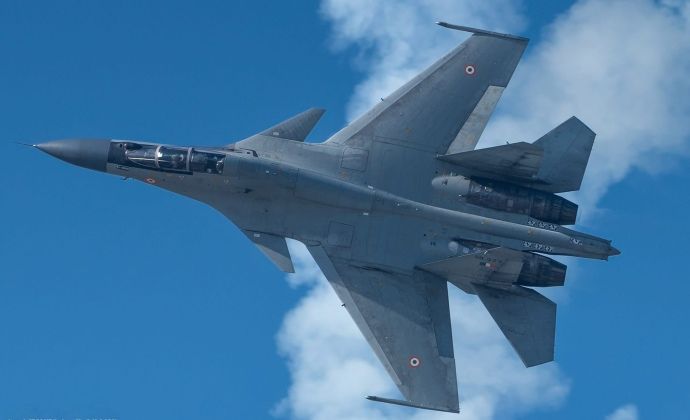
When integrated onto the Su-30 and Su-35, the R-37M can only be launched from lower speeds and altitudes, and as such has a shorter engagement range estimated at approximately 350 kilometres. This would allow Su-30MKI fighters to shoot down Pakistani targets, in particular high value aircraft such as AEW&Cs, from well beyond the retaliation range of their escorting fighters. Other than the PL-17, which is fielded exclusively by the Chinese People’s Liberation Army Air Force, no air force in the world fields a comparably long or longer ranged missile type. Reports of a decision to procure the R-37M have closely coincided with confirmation in late February that the Indian Defence Ministry will proceed with plans to comprehensively upgrade its Su-30MKI fighters with Russian assistance, which will first focus on enhancing 84 of the over 270 fighters that are currently in service.
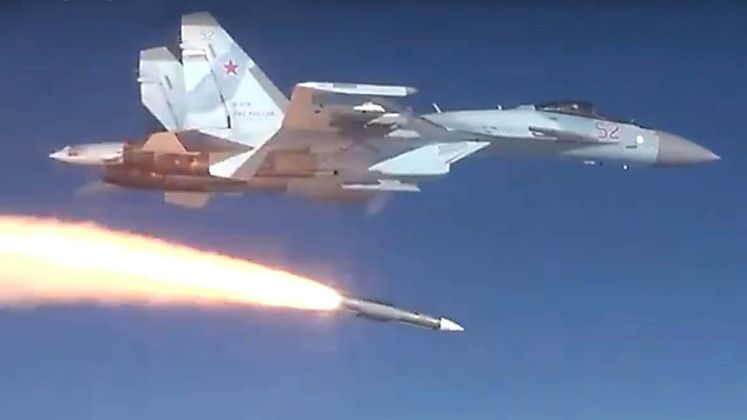
The decision to procure the R-37M may indicate a perceived greater urgency of increasing the Su-30’s engagement range, as the Indian Air Force was previously expected to acquire a separate type of very long ranged air-to-air missile for the fighter type, which was to be developed by the joint Russian-Indian firm BrahMos that developed the BrahMos cruise missile. This missile was reportedly expected to have particularly long 500 kilometre engagement range, matching the Chinese PL-17. The choice of an older ‘off the shelf’ missile design from Russia could divert funds away from this joint program, but would allow the ranges of Indian fighters to be extended at a much earlier date.
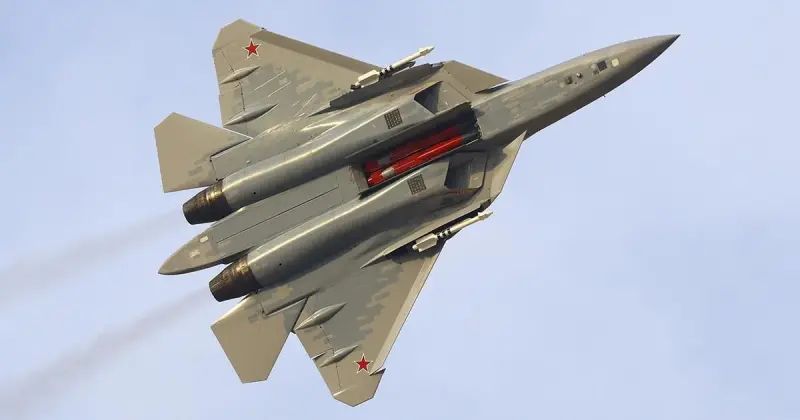
Beyond the Su-30MKI fleet, it is also highly possible that the R-37M missile may be intended for integration onto Indian Air Force Su-57 fifth generation fighters, as talks on the procurement of the aircraft continued to advance. The Indian Defence Ministry in January 2026 confirmed that talks had reached an advanced technical stage, after the Russian Defence Ministry in June 2025 reportedly made an unprecedented offer to provide full access to the aircraft source code as part of a license production deal. A miniaturised derivative of the R-37M has for years been reported to be under development under the izdeliye 810 program, allowing it to fit in the Su-57’s internal weapons bays, with this potentially set to be marketed to India as a successor to the original missile.
