
Footage Shows Continued Algerian Su-57 Fifth Generation Fighter Operations: Have They Shifted the Balance of Power?
Military Watch Magazine Editorial Staff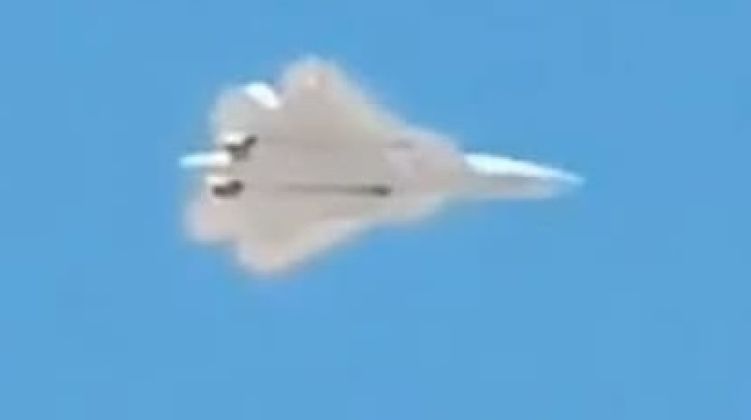
Algerian Air Force Su-57 Fifth Generation Fighter
New video footage has provided a second look at the continued operations of a reported two delivered Su-57 fifth generation fighters in Algerian Air Force service, after the aircraft were reported in November 2025 to have become operational. This was followed by the release of the first footage of their operations in the first week of February. The Algerian Defence Ministry was estimated to have ordered 12-14 of the aircraft, which are speculated to be intended to replace Soviet MiG-25PD interceptors, the world’s fastest operational combat aircraft, in frontline service. The sale has marked the first of any fifth generation fighter type other than the American F-35, making it a major landmark in global combat aviation markets, and making Algeria the first operator of fighters from the new generation in Africa, the Arab world, or among Muslim-majority states.
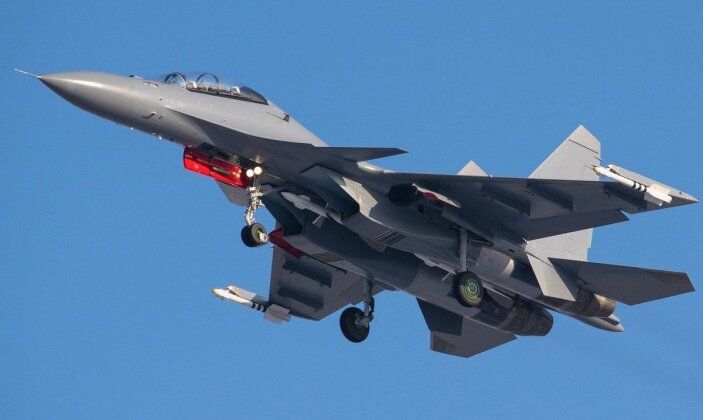
Su-57 fifth generation fighters from the latest batch delivered to the Russian Aerospace Forces on February 9 have integrated a new passive sensor, the upgraded 101KS onboard optical-electronic self-defence system, among other enhancements that set them apart from prior batches. This has fuelled speculation that the Su-57s built for Algeria may have also been built to this new standard. In August 2025 Deputy Commander-in-Chief of the Russian Aerospace Forces Lieutenant General Alexander Maksimtsev confirmed that preparations were underway for accelerated Su-57 deliveries, following the opening of new facilities for their production, raising the possibility that Algeria will receive significantly more of the fighters in 2026, possibly even completing its order. Production is expected to exceed 25 fighters in 2026. Preceding the delivery of the Su-57, the Algerian Air Force was already considered by far the most capable in the Arab world, with the Su-30MKI ‘4+ generation’ heavyweight long range fighter forming the backbone of its fleet, while the first Su-35 air superiority fighters were delivered in February 2025.
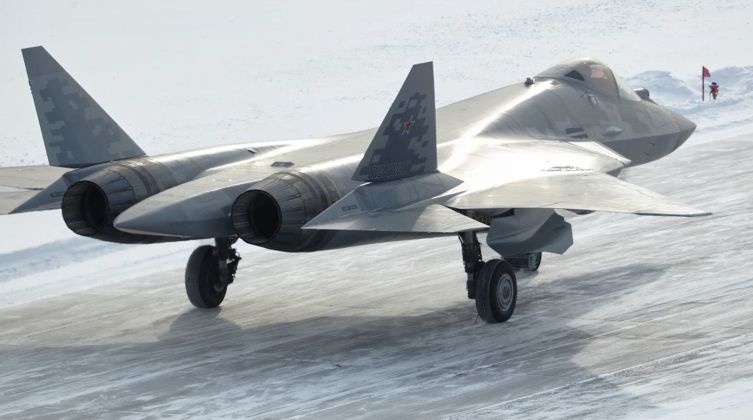
In early February Russian Industry and Trade Minister Anton Alikhanov announced that contracts had already been signed in the Middle East region for the export of the Su-57, observing that “some contracts have been signed, though I cannot disclose the details.” This raised considerable speculation regarding which country may have placed orders, with Syria and Iraq, which during the Cold War were the primary regional clients for Russia armaments, have both seen their governments toppled by Western-led military interventions, while Yemen, which was a more minor client, has been deeply destabilised since 2011. With Western-aligned Arab states facing considerable pressure not to procure advanced Russian equipment, Iran thus appears to be the most likely buyer of the new fighter type in the Middle East, following confirmation that it has ordered 48 Su-35 fighters, and in January began to receive Mi-28 attack helicopters.
Following deliveries to Algeria and the signing of a contract with an unknown Middle Eastern client, it is expected that the Su-57 will make its most significant breakthrough on export markets with a major license production deal with the Indian Defence Ministry, which currently holding talks to procure a minimum of 140 aircraft. With India having recently been refused access to the source code governing the French Rafale fighter’s main electronic systems and its electronic warfare suite, including the SPECTRA defensive aids package, under a deal discussed for the sale of the fighters, the appeal of the Su-57 is expected to further increase. The Russian Defence Ministry in June 2025 was reported to have made an unprecedented offer to provide full access to fifth generation fighter’s source code. Director of the Russian Federal Service for Military-Technical Cooperation Dmitry Shugayev in December alluded to the possibility of this reaching the stage of a fully joint program with India, potentially resulting in the development of a heavily customised variant which could proven an alternative to the baseline Su-57 on export markets.
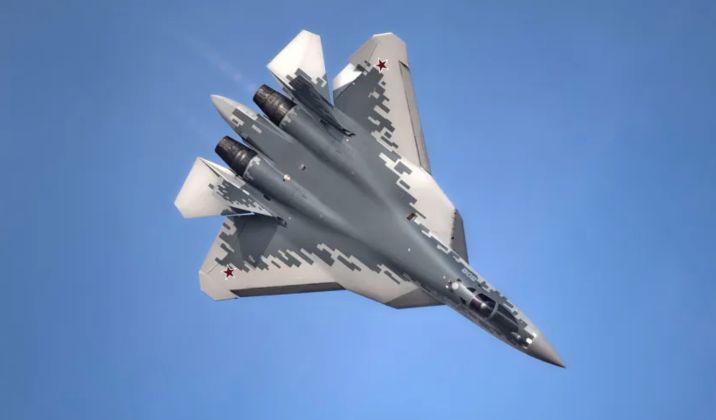
The Su-57 has the advantage over other fighters of its generation of far greater high intensity combat testing, including air defence suppression, air-to-air combat, and operations in heavily defended enemy airspace in the Ukrainian theatre. The sale of the fighters to Algeria has significantly shifted the balance of power in the air in the region, providing distinct superiority over European fourth generation fighters such as the Rafale, and a challenge that is in some respects on a peer level to the F-35s being rapidly procured by NATO members and by Israel. NATO members across the Mediterranean continue to be considered the primary potential threat to Algerian security, particularly after their assault against neighbouring Libya in 2011 caused mass destruction and permanently destabilised the country. As the only Arab state which remains outside the Western sphere of influence, with the partial exceptions of Yemen, Sudan and Mauritania, Algeria is expected to continue to face major threats to its security from Western Bloc states, as well as their regional partners including Turkey, Israel and the United Arab Emirates.
