
China’s Sixth Generation Air Superiority Fighter Enters New Stage of Flight Testing
Military Watch Magazine Editorial Staff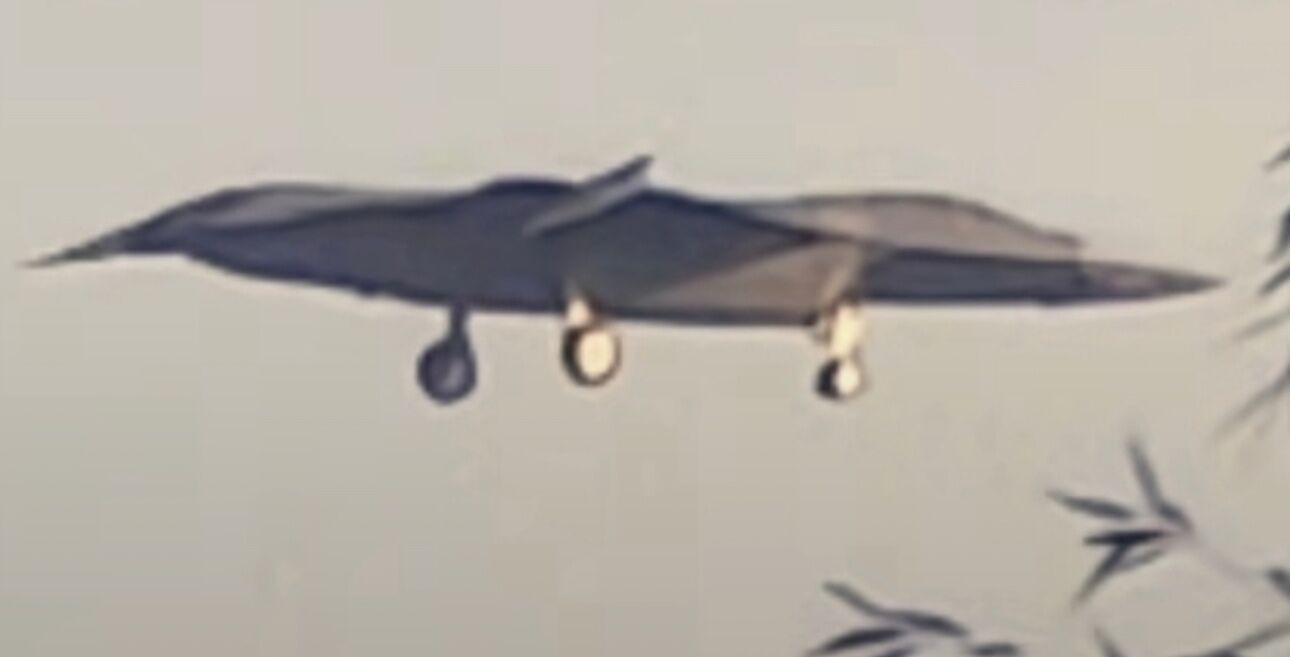
Shenyang Sixth Generation Fighter in Flight Testing with Radar
Footage released on Chinese social media has for the first time shown the sixth generation fighter under development by the Shenyang Aircraft Corporation in flight testing with a radar, as indicated by the colouring of its randome. Fighters integrating radars in testing have consistently used light grey randomes, with the new colour indicating that the program has progressed to the next stage of flight testing. The aircraft is one of just two sixth generation fighter types that are currently in flight testing, alongside a much larger and longer ranged design that has made significantly faster progress and is being developed by the Chengdu Aircraft Corporation.
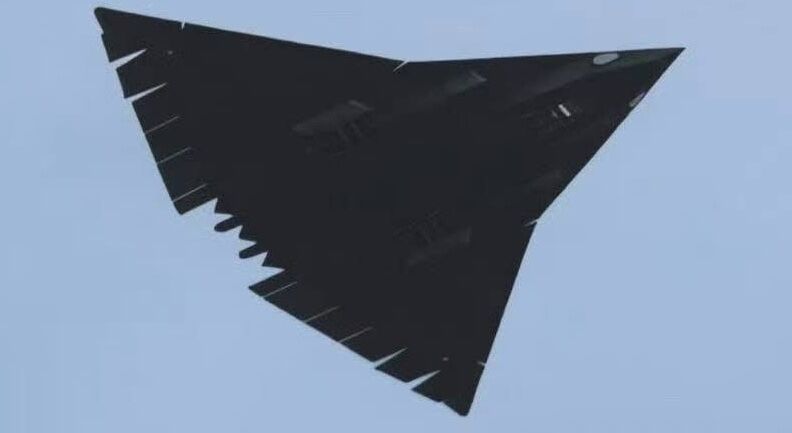
The Shenyang fighter was first unveiled on December 26, 2024, and is notable for its exceptionally large radar nose cone, which appears intended to maximise the size of the radar it can integrate, and thus its situational awareness. Chinese fighter types already integrate far larger radars than their Western counterparts, with the J-16’s radar being over twice the size of those of most frontline Western fighters, and widely considered the most powerful in the world. These advantages are compounded by advances in both the sophistication of Chinese radar technologies, and by the size of the fleet of AEW&C ‘flying radar’ aircraft designed to support the fighter fleet.
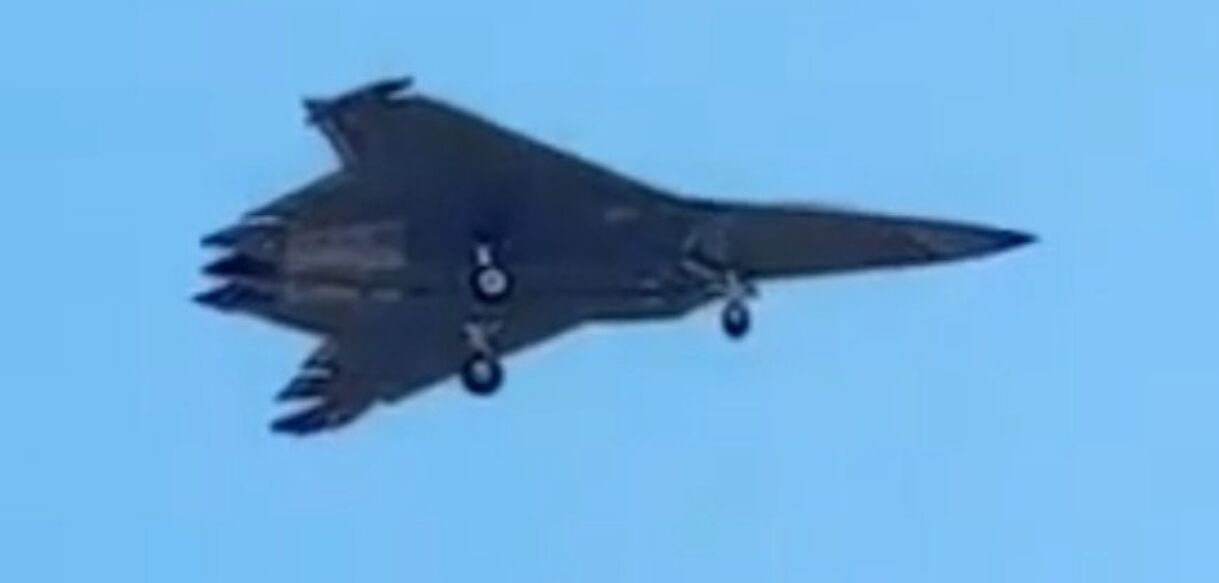
Insight into the design concepts influencing the Shenyang Aircraft Corporation’s sixth generation stealth fighter was recently provided by a paper by researchers from the Shenyang Aircraft Design & Research Institute. The paper described the program as undergoing a “leapfrog transformation,” stressing the ability to operate without satellite support, and an ability to continue flying autonomously if its pilot becomes incapacitated. The researchers envisage combat aircraft coordinating drone formations whose composition and roles can change during an operation. These unmanned wingmen could perform attack, reconnaissance and protective missions, with the formation reorganising itself according to the tactical situation.
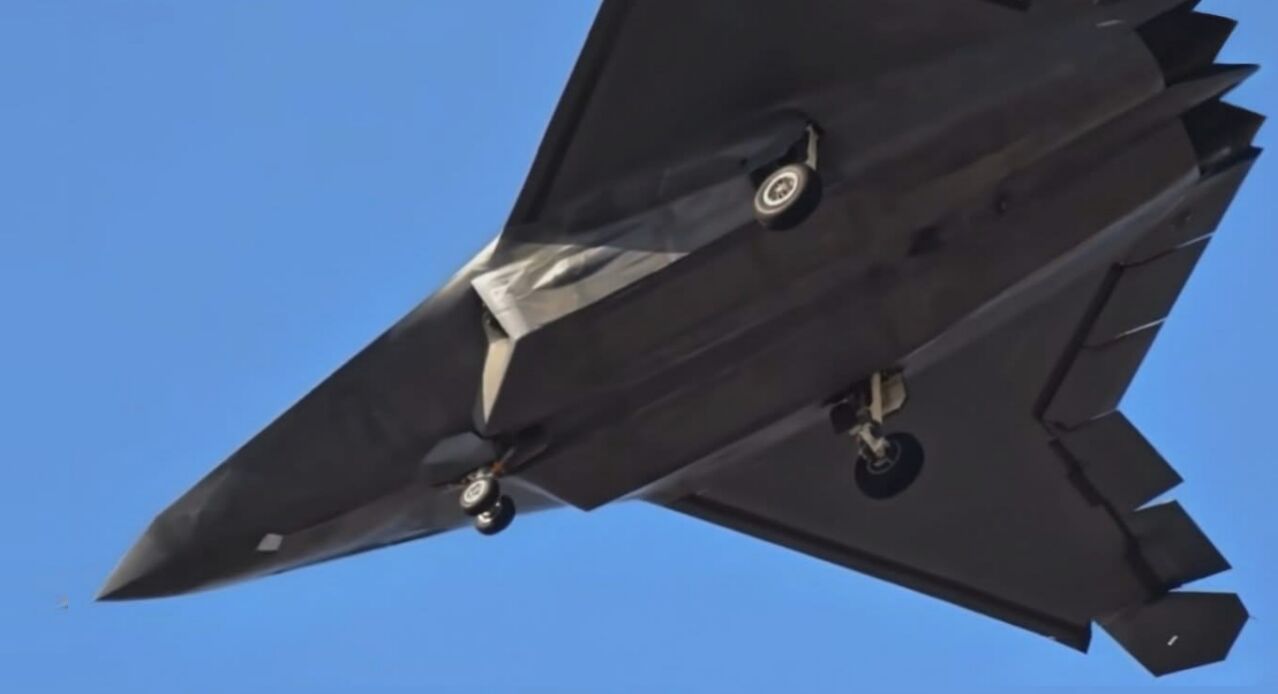
The smaller size of Shenyang’s fighter compared to that developed Chengdu is expected to make production and sustainment considerable cheaper, allowing fighters to be fielded widely. Reliance on Chengdu’s fighter alone would likely have otherwise forced a significant contraction in the size of the fighter fleet. Shenyang’s fighter is nevertheless considerably larger than existing Western fighter types. While the Chinese J-20 fifth generation fighter has over double the range of its Western rivals the F-22 and F-35, the similarly sized fighter being developed by the Shenyang Aircraft Corporation is expected to expand on this considerably with a combat radius of well over 2,500 kilometres.
