
China Brings World’s First Sixth Generation Fighter Into Third Major Configuration: Progress Rate Unprecedented
Military Watch Magazine Editorial Staff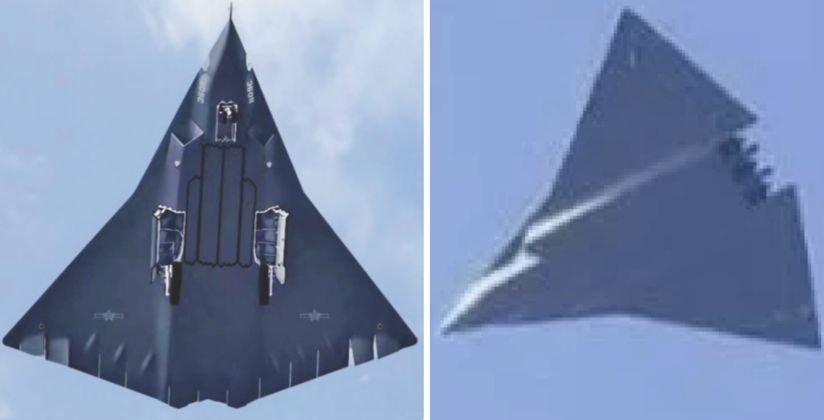
Chinese Ultra-Long Range Sixth Generation Fighter First (left) and Fifth Flight Prototypes
Following the release of the first images showing China’s ultra-heavyweight sixth generation fighter program had brought its fifth flight prototype into flight testing, assessments of the airframe’s design have shown significant further refinements made between airframes, indicating a rapid rate of progress in development. Imagery shows a revised engine intake geometry, changes to the aircraft’s exhaust arrangement, and additional shaping intended to improve both aerodynamic performance and low-observable characteristics. While many of these assessments remain speculative due to the limited quality of available imagery, they are consistent with the rapid design evolution typically seen during advanced flight-testing programs.
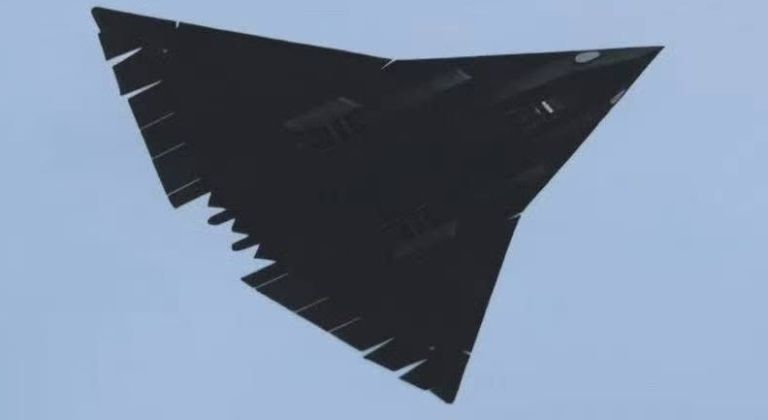
Developed by Chengdu Aircraft Corporation, the ultra-long range fighter appears to have progressed through at least three distinct configurations since the first flight prototype was unveiled in December 2024. The first aircraft featured caret-shaped air intakes, tandem main landing gear and box-shaped engine nozzles. In October 2025, the second prototype introduced a revised configuration with diverterless supersonic air intakes, side-by-side landing gear and redesigned exhausts that might improve stealth and manoeuvrability. The latest aircraft appears to retain many of those changes, while introducing a modified nose section, suggesting continued refinement of the design as testing progresses.
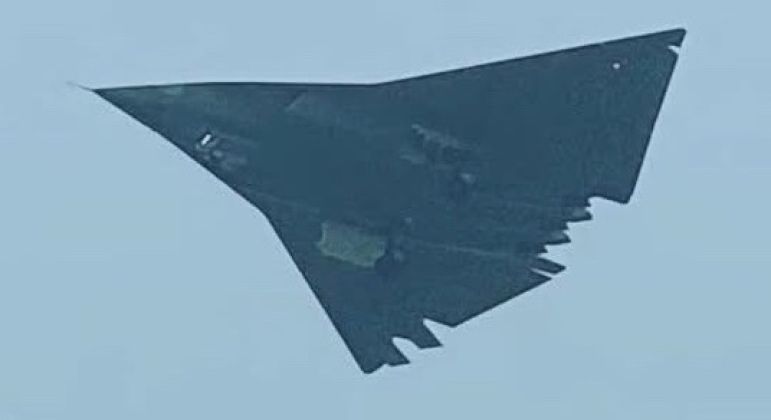
Flight testing of the new sixth generation fighter has continued to progress unprecedentedly quickly, and has led analysts to project that it will enter service around the year 2030 or earlier. This will place it over a decade ahead of the most advanced sixth generation fighter being developed outside China, the U.S. Air Force F-47. Commenting on China’s ability to bring a new generation of fighters into service considerably faster, expert on Chinese fighter aviation Abraham Abrams observed: “For the race to develop a more capable sixth generation fighter, China’s technological and industrial standings relative to the United States were significantly more advantageous than they had been in the fifth generation era,” Abrams noted, concluding that “there were considerable grounds for concern that China could comfortably win the sixth generation race, particularly in terms of the speed at which it could bring aircraft into service.”
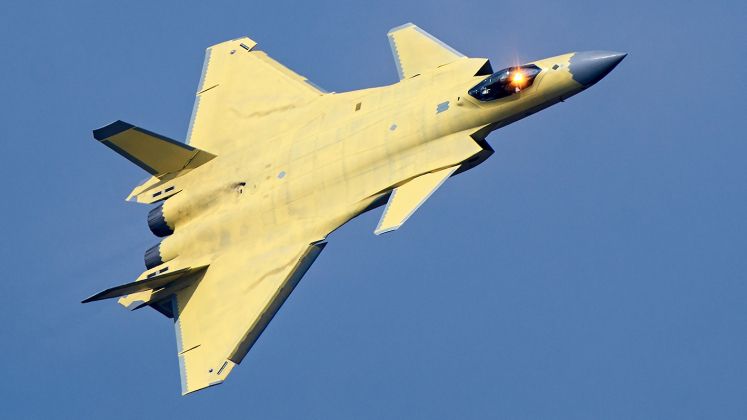
Observing the precedent set in the fifth generation era, Abrams was among multiple analysts to note that while the J-20 fifth generation fighter could move from its first flight to service entry in just six years, the American F-22 and F-35 required fifteen to sixteen years. Thus with the J-20’s sixth generation successor already progressing through prototype testing significantly faster still, China appears likely to field the aircraft for over a decade before the United States fields a rival fighter type. The new fighter’s high manoeuvrability and its sheer size have both attracted considerable attention, with defence analysts having assessed that the aircraft will likely possess a combat radius of over 4,000 kilometres, more than double that of the J-20 and quadruple that of the F-22 and F-35.
