
Rare Footage Shows China’s Elite J-20 Fighters Practicing Dogfight: Pilots’ Training Advantages Growing
Military Watch Magazine Editorial Staff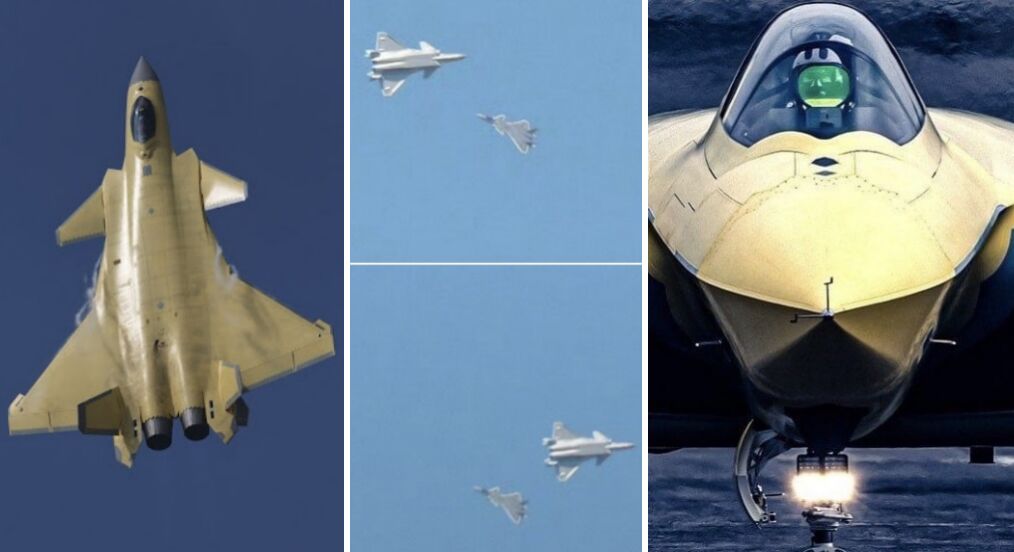
J-20 Fighters and J-20s in Air-to-Air Combat Training
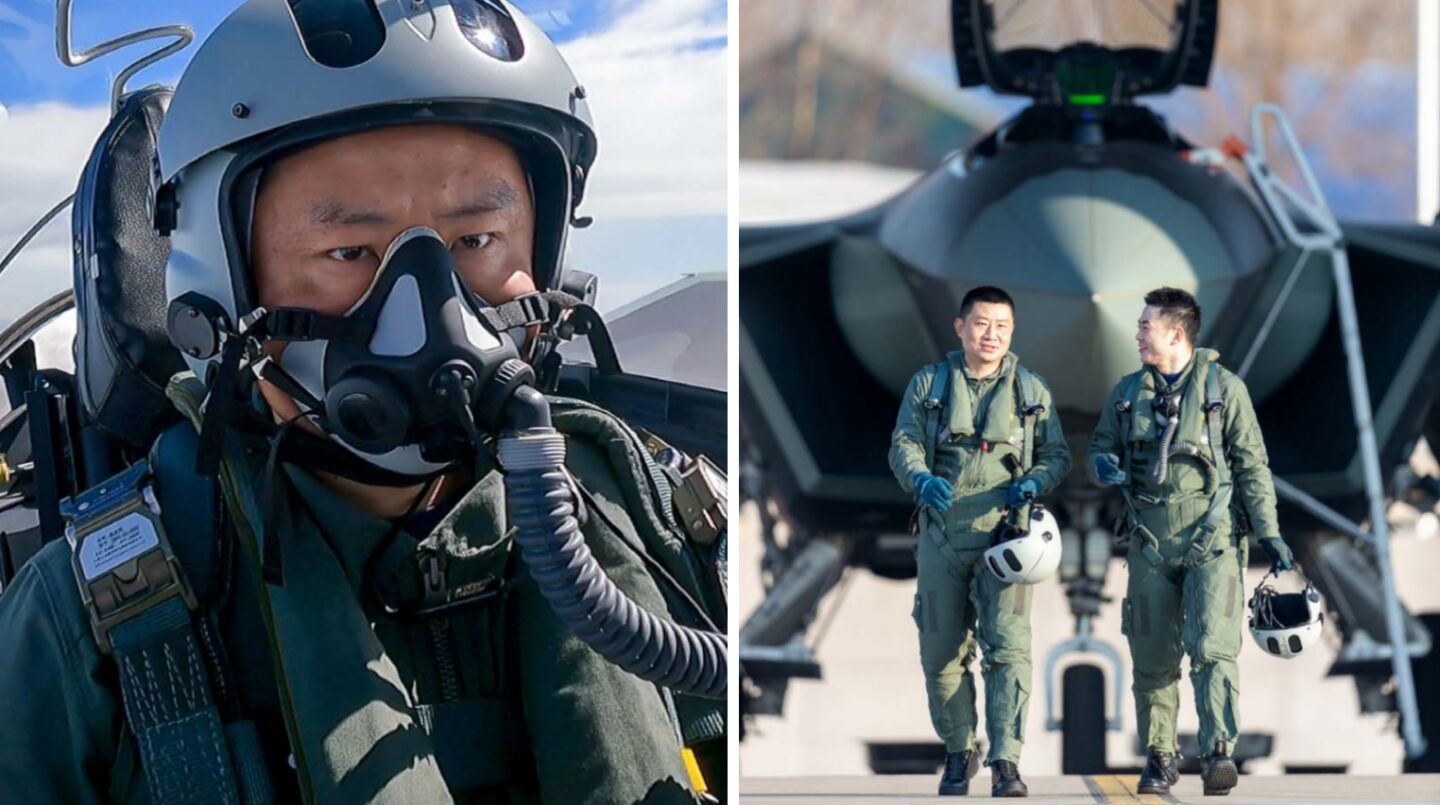
Rare footage has emerged on social media showing Chinese People’s Liberation Army Air Force J-20 fifth generation fighter aircraft conducting simulated air-to-air engagements within visual ranges. The footage has highlighted the high training levels of Chinese pilots, which have for years surpassed those in the United States and Russia in flight training hours, complementing the world leading capabilities of the aircraft themselves. China has dramatically expanded the scale and intensity of pilot training over the past decade, with assessments from former U.S. Air Force officers having long drawn attention to the training advantages enjoyed by Chinese fighter pilots.
Former U.S. Air Force Colonel John Venable has highlighted the changing balance, noting that Chinese pilots are now flying roughly 200 hours annually, compared with approximately 150 hours for U.S. Air Force pilots. The change draws a particularly striking contrast to the Cold War era, where U.S. Air Force pilots were considerably better trained, and also contrasts sharply with trends seen in Russia where pilot training levels are far lower than those seen in the Soviet era. China’s Air Force has undertaken multiple fundamental reforms of its pilot-training system, moving away from an older model in which pilots completed much of their advanced transition training within operational units.
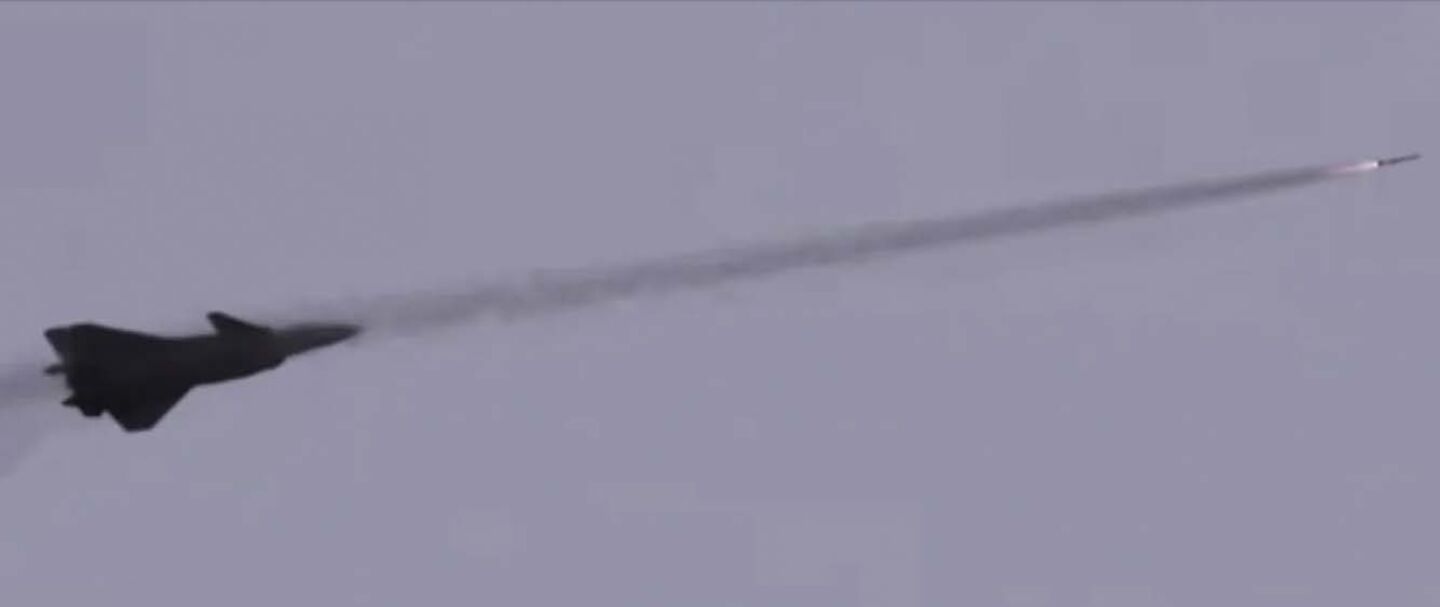
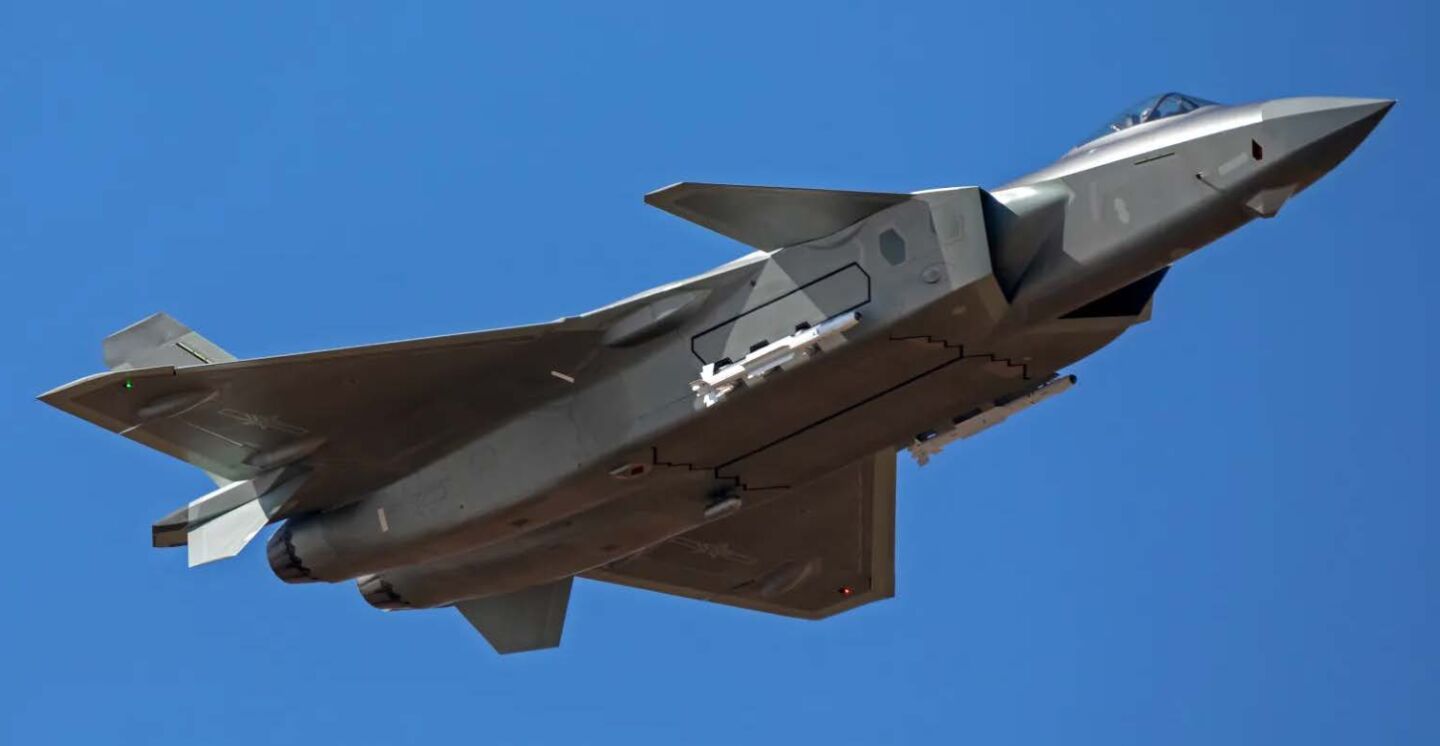
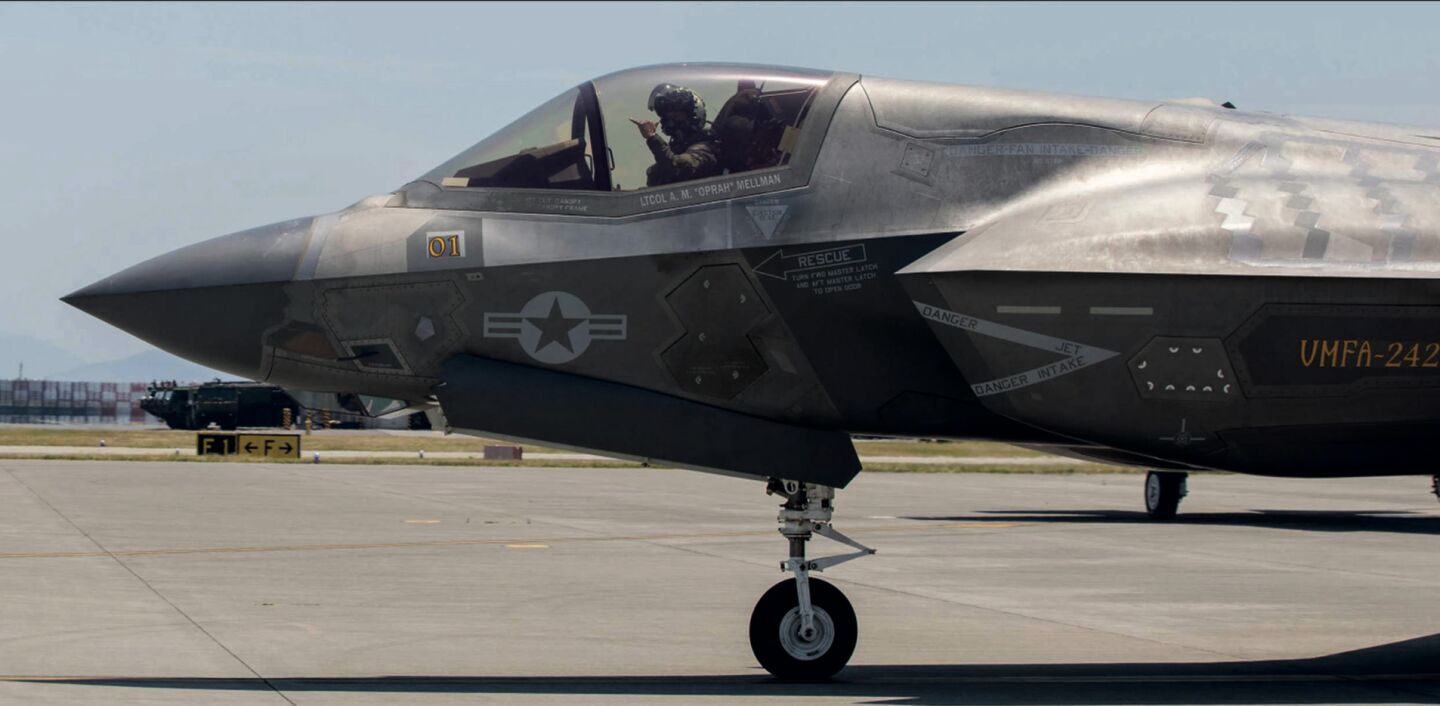
The J-20 was the first non-U.S. fifth generation fighter type to be brought into service, and has joined the Air Force in rapidly growing numbers from early 2017. It has been procured in larger numbers by the Air Force than any other post-Cold War fighter type by any other air force in the world. Large scale procurements have allowed the aircraft to provide air units across China with experience operating both alongside and against modern fifth generation fighters, with the aircraft able to effectively simulated the capabilities of the Western Bloc’s primary fighter type the F-35 in air-to-air engagements. Where the F-35 was developed primarily as a strike fighter, with a secondary air-to-air capability, the J-20 was developed from the outset as an air superiority fighter and has a much more powerful radar, superior flight performance, and greater missile carrying capacity.
From around 2019 onwards, the Air Force began introducing more advanced jet trainers and modernised training programmes at dedicated flight academies, allowing operational fighter units to concentrate more heavily on combat training. One particularly important development has been the introduction of the JL-10, a sophisticated advanced jet trainer designed to bridge the gap between basic flight instruction and frontline combat aircraft. Rather than using operational fighters simply to teach pilots how to operate increasingly complex aircraft, the Air Force has been able to conduct a larger proportion of the training process on dedicated trainers before pilots reach frontline units. This increases the amount of training that can be generated without consuming expensive fighter airframe life.
Video footage in December 2025 for the first time confirmed that the first batch of J-20s integrating twin WS-15 turbofan engines had completed serial production, with the first flight of a serial production aircraft with the engines reportedly having taken place on December 27. As one of the most sophisticated fighter engines in production anywhere in the world, the WS-15 has a reported weight to thrust to weight ratio rivalled only by the F135 powering the F-35 fifth generation fighter among known engine types. A recent report published by the British Royal United Services Institute (RUSI) estimated that due to the significant expansion of production, the Chinese People’s Liberation Army Air Force will field approximately 1,000 J-20s by 2030, with the aircraft increasingly forming the backbone of the Chinese fleet.
