
New Details on China’s Sixth Generation Fighter Technologies Revealed in Shenyang Paper
Military Watch Magazine Editorial Staff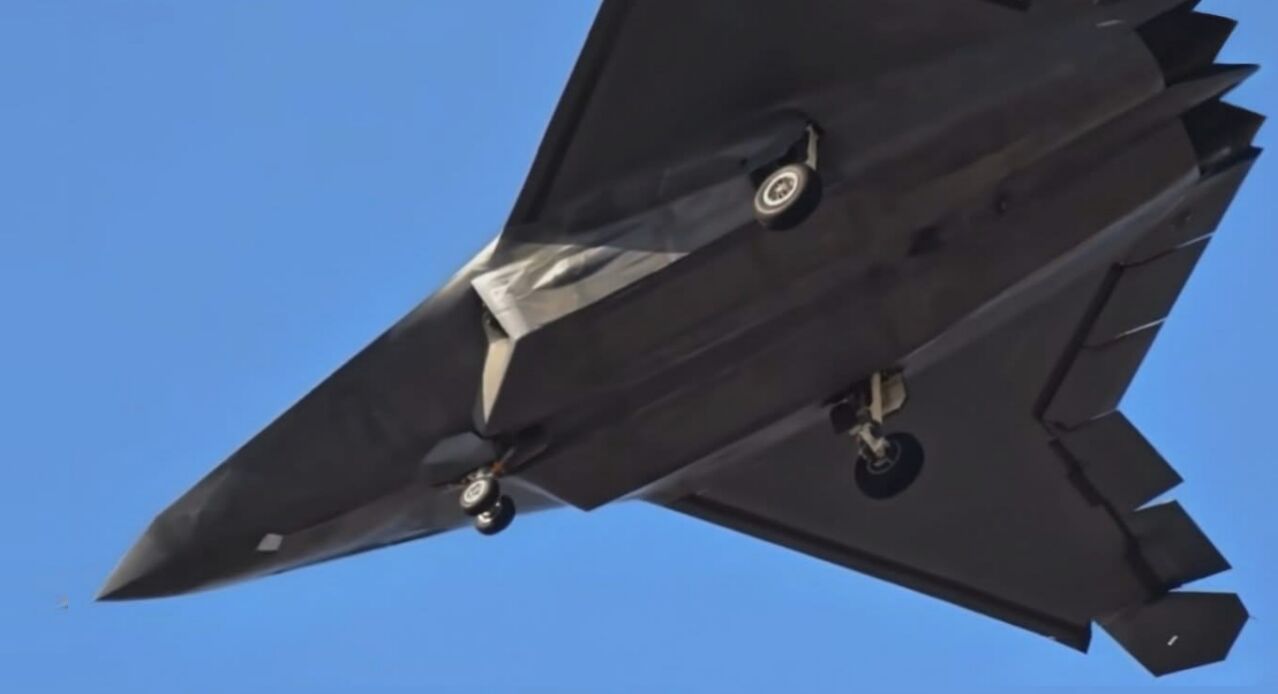
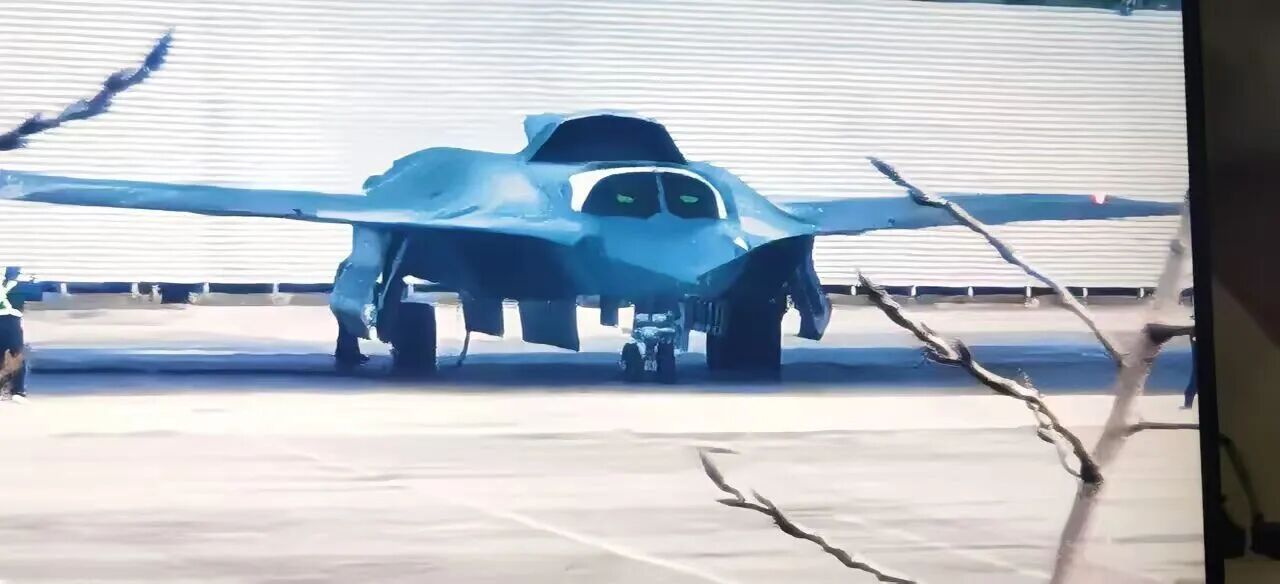
Shenyang Sixth Generation Fighter Flight Prototype
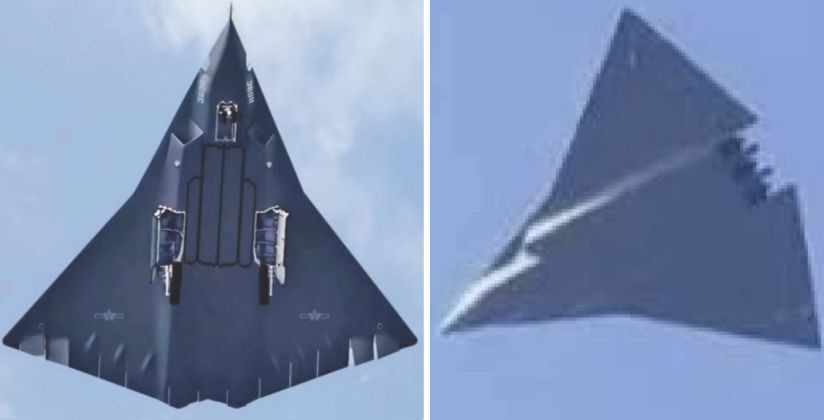
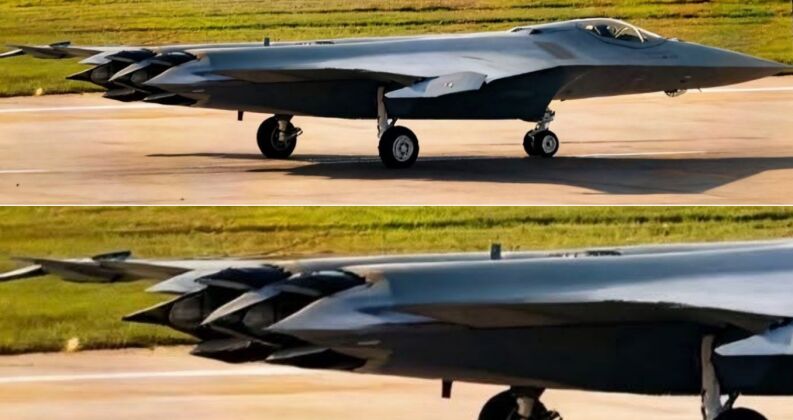
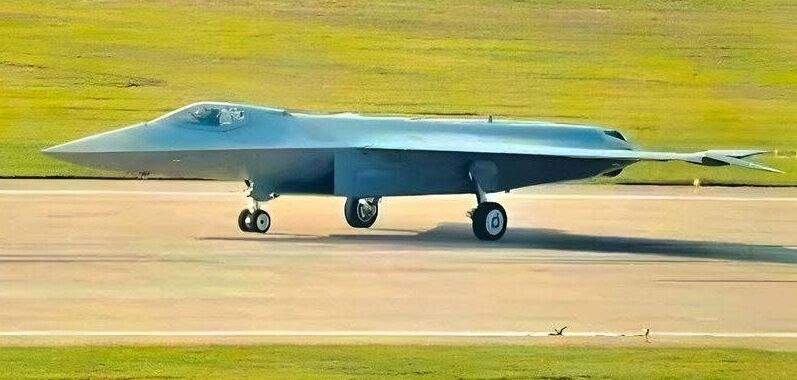
New insight into the design concepts influencing the Shenyang Aircraft Corporation’s sixth generation stealth fighter has been provided in a recently published paper by researchers from the Shenyang Aircraft Design & Research Institute. The institute is associated with development of the second of China’s two known sixth generation fighter types, referred to by netizens as the ‘J-50,’ which was first seen in flight testing in December 2024 alongside the much larger sixth generation fighter developed by the Chengdu Aircraft Corporation. While Chengdu’s fighter has gained considerably more attention, largely due to its faster progress and more outstanding tri-engine design, Shenyang’s fighter is expected to be procured in comparable or greater numbers to form the backbone of the fleet from the mid-2030s.
The paper, led by Zhang Dong, chief flight-control designer at the institute, was published in the peer-reviewed journal Aircraft Design in August. Zhang and his colleagues describe China’s sixth generation programmes as undergoing what they call a “leapfrog transformation” from simply achieving stable flight towards technologies intended to allow the aircraft to achieve substantially greater combat effectiveness. The researchers discuss navigation in environments where satellite positioning systems are unavailable. This is particularly important for future conflicts involving sophisticated electronic warfare, where adversaries could jam or disrupt satellite navigation systems.
The ability to operate without satellite support could be particularly valuable for stealth aircraft conducting deep operations against heavily defended targets. An aircraft that remains capable of accurate navigation after GPS or other satellite-based positioning has been denied would be substantially less dependent on vulnerable external infrastructure. This could be particularly important for Chengdu’s new fighter, which is by far the largest and longest ranged in the world, and is expected to operate deep inside enemy-controlled airspace. China is therefore investigating quantum navigation technologies that could allow aircraft to determine their position without depending on conventional satellite signals.
One of the most significant concepts is the ability of the aircraft to continue flying autonomously if its pilot becomes incapacitated. Rather than relying entirely on a human operator throughout the flight, future combat aircraft could automatically assume control when a pilot loses consciousness or encounters an extreme workload. This would allow the aircraft to remain stable and potentially continue its mission even when the pilot is temporarily unable to provide inputs. Such a capability could become increasingly important as fighter aircraft become more complex and the volume of information presented to pilots grows. A sixth-generation aircraft is expected to act not simply as a weapons platform but as a command node connecting multiple sensors, weapons and unmanned aircraft. Automatic flight control during periods of pilot incapacitation could therefore provide a basic level of resilience while allowing the human operator to concentrate on higher-level tactical decisions.
The most ambitious element of the research concerns the integration of manned fighters with large numbers of unmanned aircraft. The researchers envisage combat aircraft coordinating drone formations whose composition and roles can change during an operation. These unmanned wingmen could perform attack, reconnaissance and protective missions, with the formation reorganising itself according to the tactical situation. This represents a substantial change from the traditional concept of a fighter aircraft operating primarily as an individual weapons platform. Under the emerging model, the pilot would instead function as the commander of a network of manned and unmanned systems. The aircraft itself would provide the communications, sensor fusion and decision-support functions necessary to coordinate the wider force.

The research from Shenyang also suggests that China’s definition of a next-generation fighter extends well beyond the aerodynamic design of the aircraft. Stealth remains important, but it is being combined with autonomous flight, advanced navigation, artificial intelligence and unmanned-system coordination to create what could effectively be an airborne combat network. Rather than simply seeking incremental improvements over the J-20 fifth generation fighter, Chinese designers appear to be examining how future combat aircraft can function when traditional assumptions about pilot control, satellite navigation and fixed formations no longer apply. China is expected to bring the world’s first sixth generation fighters into service around 2030, with the United States expected to remain close to a decade behind.
