
China’s Key Sixth Generation Fighter Developer Reports Advances in 3D Printing for Aircraft Structures
Military Watch Magazine Editorial Staff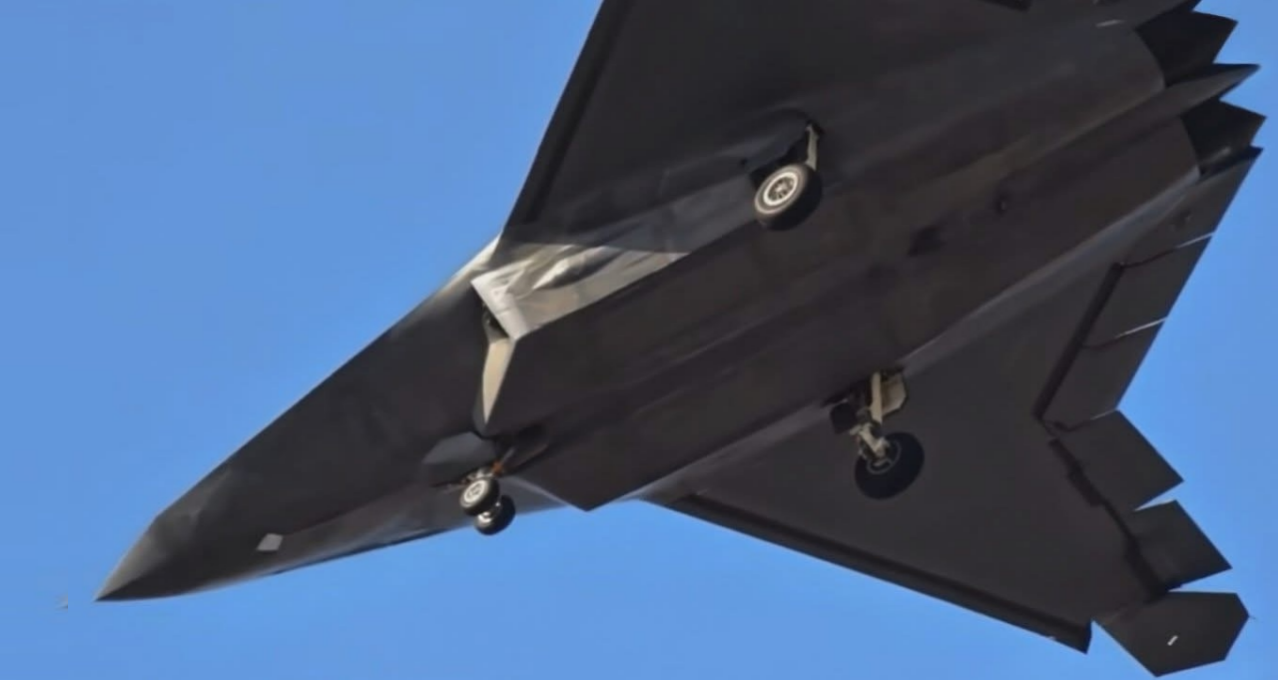
Shenyang Sixth Generation Fighter Flight Prototype
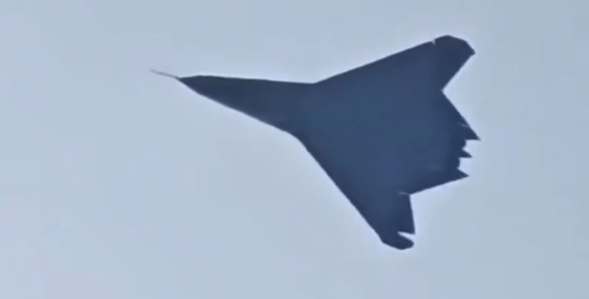
China’s aviation industry has reported significant advances in the use of 3D printing to manufacture aircraft structures, with work at the Shenyang Aircraft Corporation’s Design and Research Institute demonstrating the potential to produce lighter, more integrated and functionally complex components. The institute has been responsible for developing the J-35 fifth generation fighter that entered service in 2025, and is currently developing the lighter of two sixth generation fighters which was confirmed to have begun flight testing in December 2024. It has successfully produced a primary load-bearing structural component measuring more than five metres in length using additive manufacturing, highlighting the growing importance of advanced manufacturing technologies to China’s next-generation combat aircraft programs.
The component is located in the central fuselage and is designed to bear and transfer structural loads. Its production through 3D printing allows a degree of design integration that is difficult to achieve through conventional manufacturing, which often requires multiple separately manufactured components to be assembled together. Reducing the number of individual parts and structural joints can potentially lower weight, simplify production and improve structural performance, although the specific weight savings and mechanical characteristics of the new component have not been disclosed. Additive manufacturing enables designs that would otherwise be impractical or prohibitively expensive, with the institute having also developed a multifunctional annular heat exchanger installed inside an aircraft air intake. The component combines heat transfer, air extraction, structural load-bearing and maintenance functions within a single integrated structure, while its intricate internal channels are designed to increase heat-transfer surface area without adding unnecessary weight.
Development has presented substantial engineering challenges. Large 3D-printed components can experience thermal stress, deformation and cracking during production, requiring the research team to develop a process combining segmented printing with additive fusion joining. Finishing the heat exchanger’s complex internal channels posed another difficulty, which was addressed through a specialised magnetic grinding device that uses externally controlled magnetic fields to move fine steel needles through the channels and polish their internal surfaces. The laboratory has now established capabilities across six additive manufacturing processes, 13 types of metal materials and 19 categories of 3D-printed structural components used in aircraft development programmes. Its work has progressed over more than two decades from experimental research towards engineering applications.
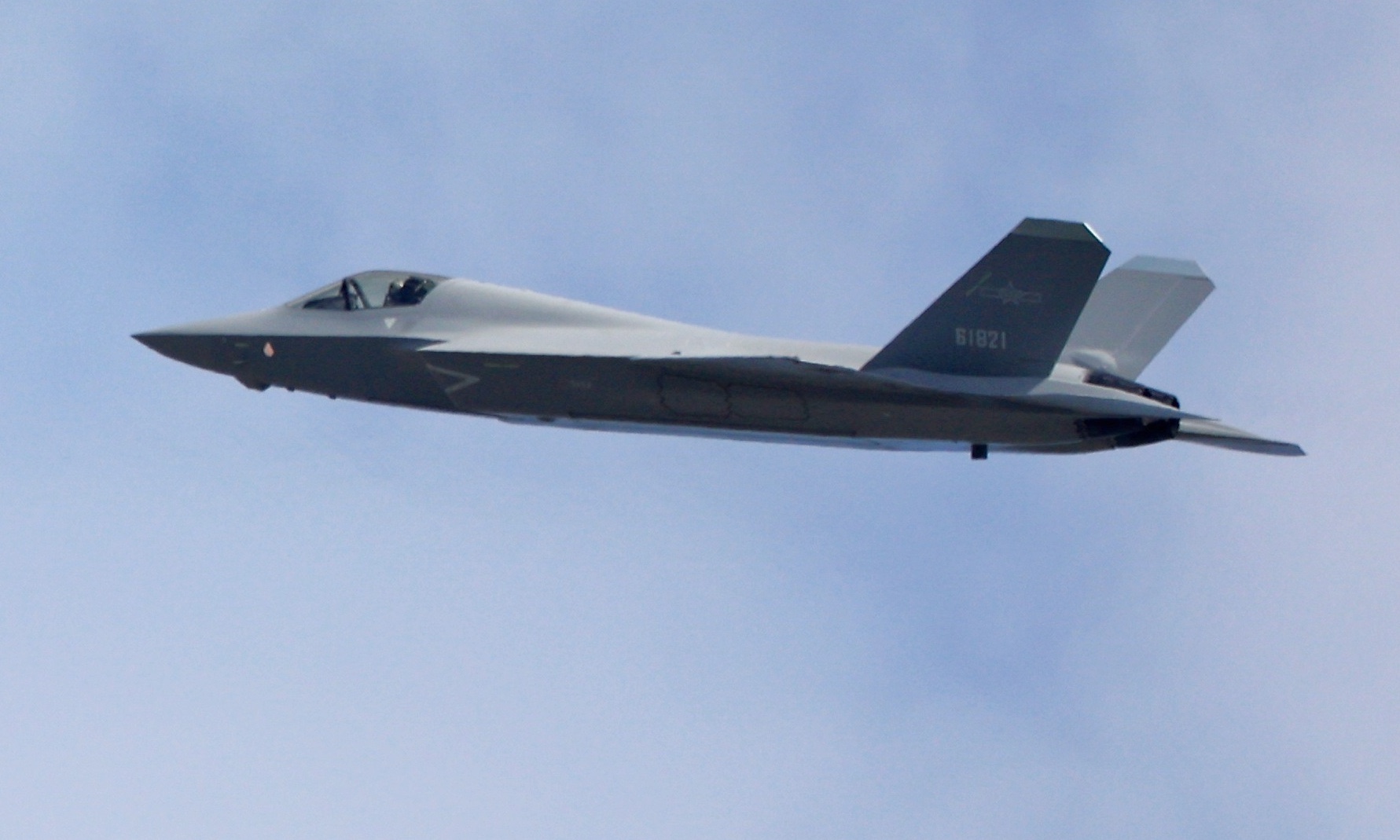
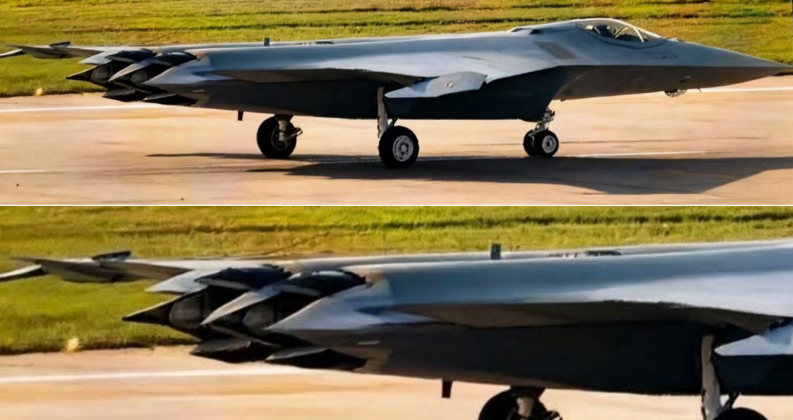
In September new footage showed the sixth generation fighter under development by Shenyang in flight testing with a radar, as indicated by the colouring of its randome. The fighter appears to have broadly comparable dimensions to the Chengdu J-20 fifth generation air superiority fighter, which is currently considered the world leader in terms of air-to-air performance. It is being developed alongside Chengdu’s much larger and longer ranged sixth generation design, which has made significantly faster progress. The Shenyang fighter is notable for its exceptionally large radar nose cone, which appears intended to maximise the size of the radar it can integrate, and thus its situational awareness. It is expected that advances in 3D printing technologies will benefit both programs significantly, as China is poised to lead the world by close to a to a decade in bringing sixth generation fighters into service.
