
American Raptors Return to Syrian Skies: A Look at the F-22's Mission in the Middle East
Military Watch Magazine Editorial Staff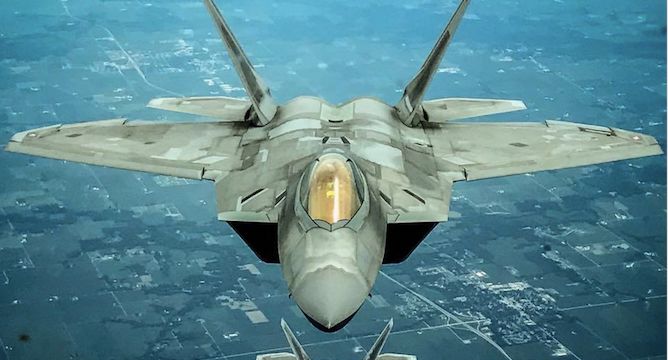
U.S. Air Force F-22 Raptor
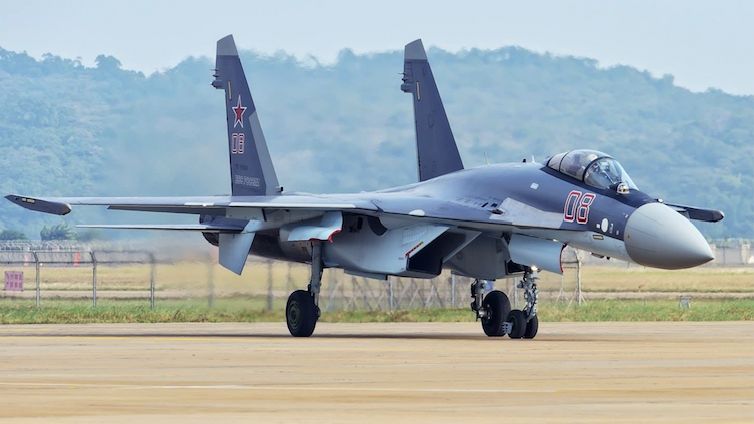
In the final week of June the U.S. Air Force began a large deployment of a dozen F-22 Raptor fifth generation air superiority fighters to the Middle East, stationing the elite combat jets at Al Udeid Airbase in Qatar from Joint Base Langley-Eustis, Virginia. A smaller unit of six Raptors was previously present at Al Dhafra Airbase in the United Arab Emirates, conducting multiple sorties over Syria and Afghanistan and countering the presence of elite Russian Su-35 fighters deployed to Hmeymim Airbase in Syria from February 2016. The Raptor was the only fifth generation fighter in the world considered fully operational at the time, which outside the Chinese People’s Liberation Army Air Force remains the case today, and its presence represented a major show of force primarily targeting Russia, Syria and Iran. The recent deployment of Raptors came at a time of escalating tensions between the U.S. and Iran, and represented only one of many high profile deployments of American weapons systems which also included assets such as B-52H bombers and F-15E strike fighters.
While the F-22 is primarily designed to engage and destroy enemy aircraft, the almost complete lack of air to air combat so far in the 21st century led the U.S. Air Force to request modification of the design to allow the Raptor to carry out precision strikes against ground targets. While the Raptor’s weapons bays are too shallow to carry heavy ordinance as the F-35 and Russian Su-57 can, and striking terrorists in the Middle East and insurgents in Afghanistan makes very little use of the fighter’s advanced capabilities, it does provide pilots with some combat experience. Despite the considerable operational costs required to carry out such missions, the risks to the aircraft are negligible to non-existent - comparable to training flights under combat conditions. Perhaps more importantly, carrying out such strikes provides the U.S. with a pretext to deploy its Raptors over Syria and Iraq - a theatre where its objectives firmly are at odds with those Russia, Syria and Damascus’ other foreign supporters.
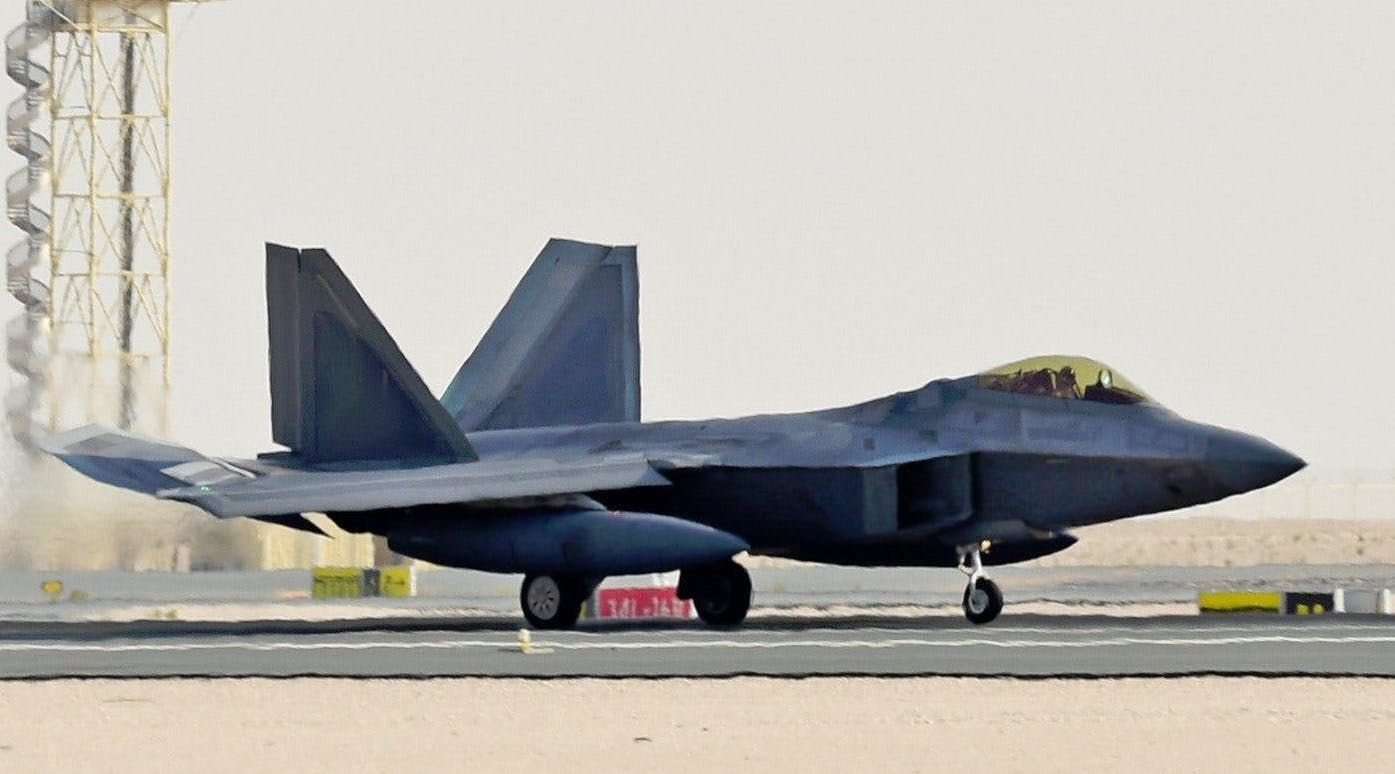
A number of unconfirmed reports which emerged in early August have indicated that F-22s resumed sorties over Syria in mid-July. Such sorties stopped after the half dozen Raptors previously deployed were withdrawn in early March, reportedly to conserve funds and allow the Air Force to raise the fleet’s combat readiness rates. Deploying the F-22 has a number unique benefits over the deployment of other American fighter classes to the theatre. The Western Bloc’s only other fifth generation fighter, the F-35, lacks the F-22’s specialised air superiority capabilities, is not considered fully combat ready and has consistently had to be deployed with luenberg reflects which compromise its stealth profile to prevent enemy radar an air defence systems from studying this profile. As the F-22 has already been deployed for multiple sorties over Syria, and according to U.S. Military sources has provided Russia with a ‘treasure trove of information’ on its capabilities, risks of further exposure are far less significant.
