
Kh-47M2 Kinzhal Hypersonic Missiles for Russia’s Su-57 Stealth Fighters - A Look at the Game Changing Implications
Military Watch Magazine Editorial Staff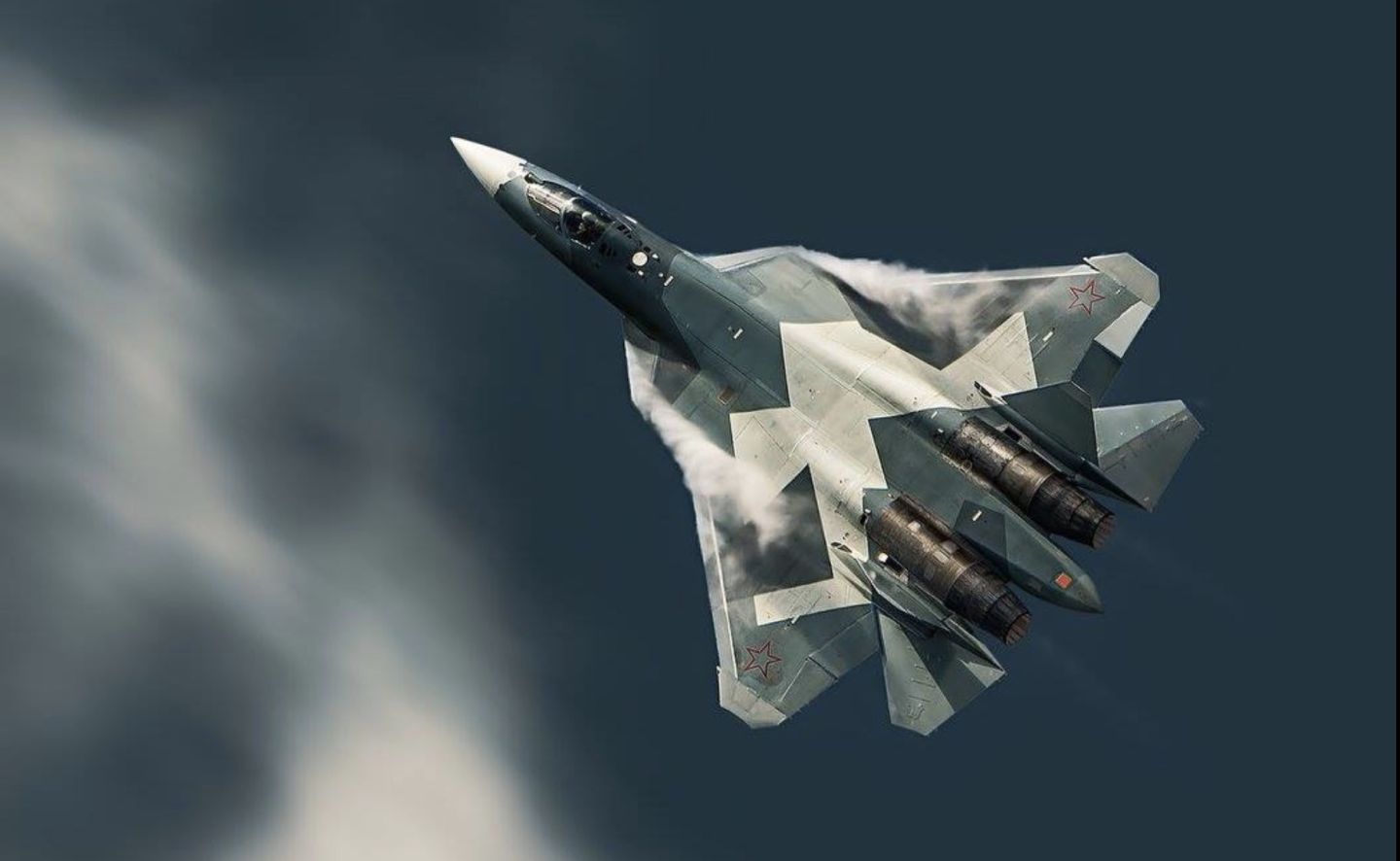
Russian Air Force Su-57 Fifth Generation Stealth Fighter
Russia’s Su-57 fifth generation air superiority fighters have tested a number of cutting edge new munitions, from R-37M hypersonic and K-77 active phased array antenna guided air to air missiles to Drel glide bombs, which are set to make the among the most potent combat jets in the world upon their entry into active service in the Russian Air Force. The latest addition to the stealth fighter’s arsenal, a lighter derivative of the Kh-47M2 Kinzhal hypersonic ballistic missile, could well be a major game changer for the fighter’s strike capabilities - particularly when coupled with its high speeds and operational altitudes and cutting edge sensors. The Kinzhal entered service in early 2018, and is currently deployed by Russia’s MiG-31 Foxhound interceptors and Tu-22M bombers. Its high precision and manoeuvrability, extreme range and formidable speed, estimated at between Mach 5 and Mach 10, allow it to penetrate all existing air defence systems - and makes it an idea ‘carrier killer’ anti ship platform.
As the Su-57 is a lighter aircraft than the MiG-31 and Tu-22, and its stealth capabilities make the deployment of small munitions which can be carried internally highly preferable to retain a radar evading profile, a lighter and sleeker variant of the 600kg Kinzhal is being developed for the next generation fighter. The implications of this deployment are considerable, and could well make the Su-57 the first fighter in the world to ever deploy a ballistic missile. The Kinzhal’s versatility against both ground and naval targets are likely to lead to widespread deployments on Su-57 fighters, and could well lead to the formation of Su-57 units dedicated specifically to a strike role. The missile’s ability to deploy nuclear warheads could potentially lead to the fighter joining the Russian strategic triad for nuclear delivery - where the Air Force’s Tu-22M, Tu-160 and Tu-95 bombers alone are currently responsible for the air component of nuclear delivery. The U.S. Air Force's analogue to the Su-57, the F-22 Raptor, is currently unable to deploy comparable air to surface munitions and is seriously limited in its capacity to perform roles other than air superiority. The lighter American F-35 stealth fighter, while primarily tailored towards a strike role and capable of deploying a wide array of air to ground munitions, cannot deploy carry out nuclear strikes at standoff ranges - relying instead on guided bombs. Induction of the Kh-47M2 onto the Su-57 could potentially lead the U.S Air Force to attempt to commission an light nuclear capable air to ground munition capable of striking at standoff ranges for the F-35 - though this is unlikely to be hypersonic.
The Su-57’s radar evading stealth profile makes it a potentially ideal platform to deploy the long range hypersonic missiles, as it makes the aircraft extremely difficult to detect at long ranges - significantly reducing both the warning of potential strikes and the chances of successful interception of the fighter by an adversary. The extent to which miniaturising the Kinzhal will compromise its range or payload, and how carrying this heavy munition may affect the Su-57’s prized high manoeuvrability, remain to be seen. Should the pairing prove successful, development of a specialised variant of the Su-57 dedicated to deploying the munitions - possibly compromising on other capabilities such as its potency in air to air combat - remains a considerable possibility. Should plans to develop a navalised variant of the Su-57 for future Russian aircraft carriers come to fruition, this could further have game changing implications for the Russian Navy's ability to engage enemy surface vessels at extreme ranges - though such a development is unlikely to take place before the 2030s due to the cost of developing and operating large carriers and the considerable strains currently placed on the country's defence budget.
