
American B-1B Supersonic Bombers Approach Chinese Coast During Major Naval Exercises
Military Watch Magazine Editorial Staff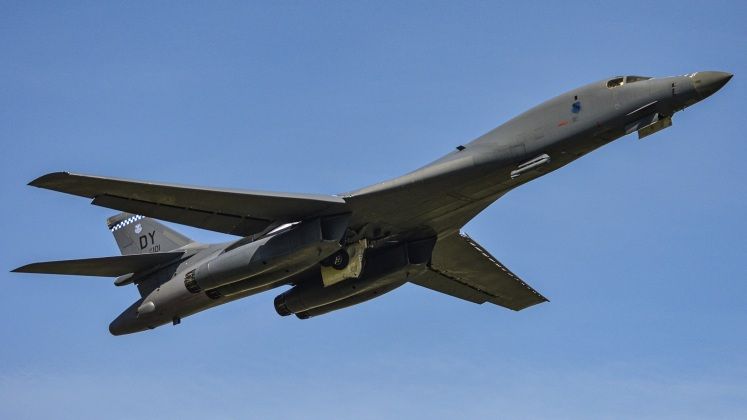
U.S. Air Force B-1B Lancer Supersonic Bomber
Two U.S. Air Force B-1B Lancer bombers entered China’s air defence identification zone and proceeded to fly near the country’s coast on November 17th, with the American show of force coinciding with a series of simultaneous large scale drills by the Chinese People’s Liberation Army. The intercontinental range bombers, which are the only ones in the Western world capable of supersonic flight, reportedly deployed from Andersen Air Force Base on Guam and approached China’s east coast from over the East China Sea after refuelling in flight during the mission. While the U.S. has send aircraft to approach close to Chinese coasts in the past, these have all been fighter jets and spy planes with the deployment of bombers considered a serious escalation. Likely to be perceived as a serious provocation by Beijing, the flight comes amid high and rising Sino-US tensions which are expected to escalate further still in the final days of the Donald Trump administration.
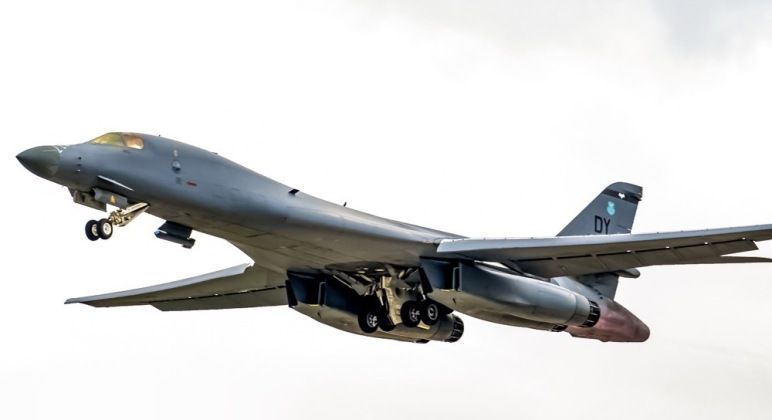
The B-1B is not officially capable of deploying nuclear weapons, although whether this was still the case was brought to serious question in 2017. The aircraft have suffered from very low availability rates and multiple serious maintenance issues, and as a result they are expected to be retired early and several decades before the aircraft they were initially designed to replace - the B-52H - once a replacement becomes available. China has over the past decade inducted a number of weapons systems into service ideally suited to neutralising these kinds of aircraft, which due to the B-1’s lack of advanced stealth capabilities can be done at very long ranges. These include the 40N6E, a 400km range Mach 14+ missile deployed from Chinese S-400 air defence systems, as well as the PL-15 250km range air to air missile and the HHQ-9 ship launched anti aircraft missile - to name a few examples. Arguably China’s greatest defence against American bombers however, is its ability to neutralise airfields hosting them in the opening hours of any war - with strikes from even a small number of its DF-26 ballistic missiles expected to leave facilities on Guam out of operation for an extended period. Short of a conflict however, it is likely that the deployment of B-1B bombers to China’s air defence identification zone will not be the last.
