America’s Longest Ranged Fighters Gain Further Extended Flight Range: F-15EX Now Optimised for Pacific Operations
Military Watch Magazine Editorial Staff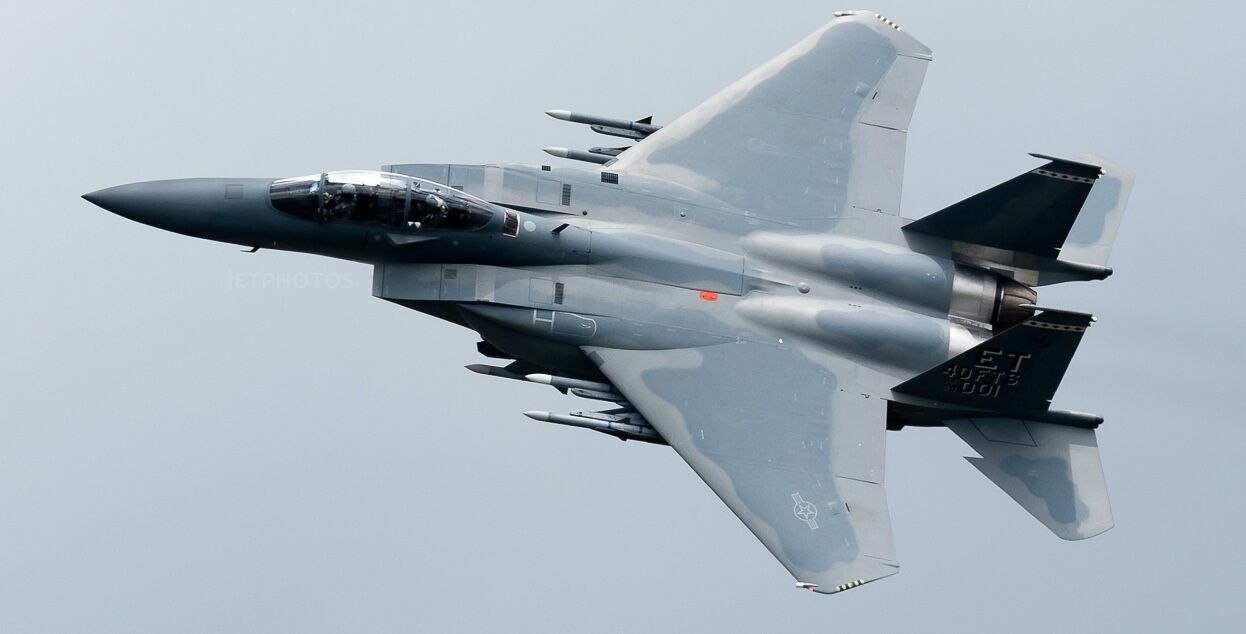
F-15EX Fighter
Operational U.S. Air Force F-15EX Eagle II fighters have for the first time begun flying with conformal fuel tanks, marking a significant development in the evolution of the aircraft’s capabilities after the service initially decided not to equip the aircraft with the fuel-saving systems. Two fighters assigned to the Oregon Air National Guard’s 142nd Wing have been observed operating with the tanks, which increase fuel capacity while providing additional mounting points for weapons and other external equipment. The development reflects growing interest in extending the F-15EX’s unrefuelled range, which is particularly critical for a potential conflict with China in the Pacific. The F-15 is the only heavyweight fighter in production in the Western world, with the F-15EX being by far the longest ranged Western fighter type.
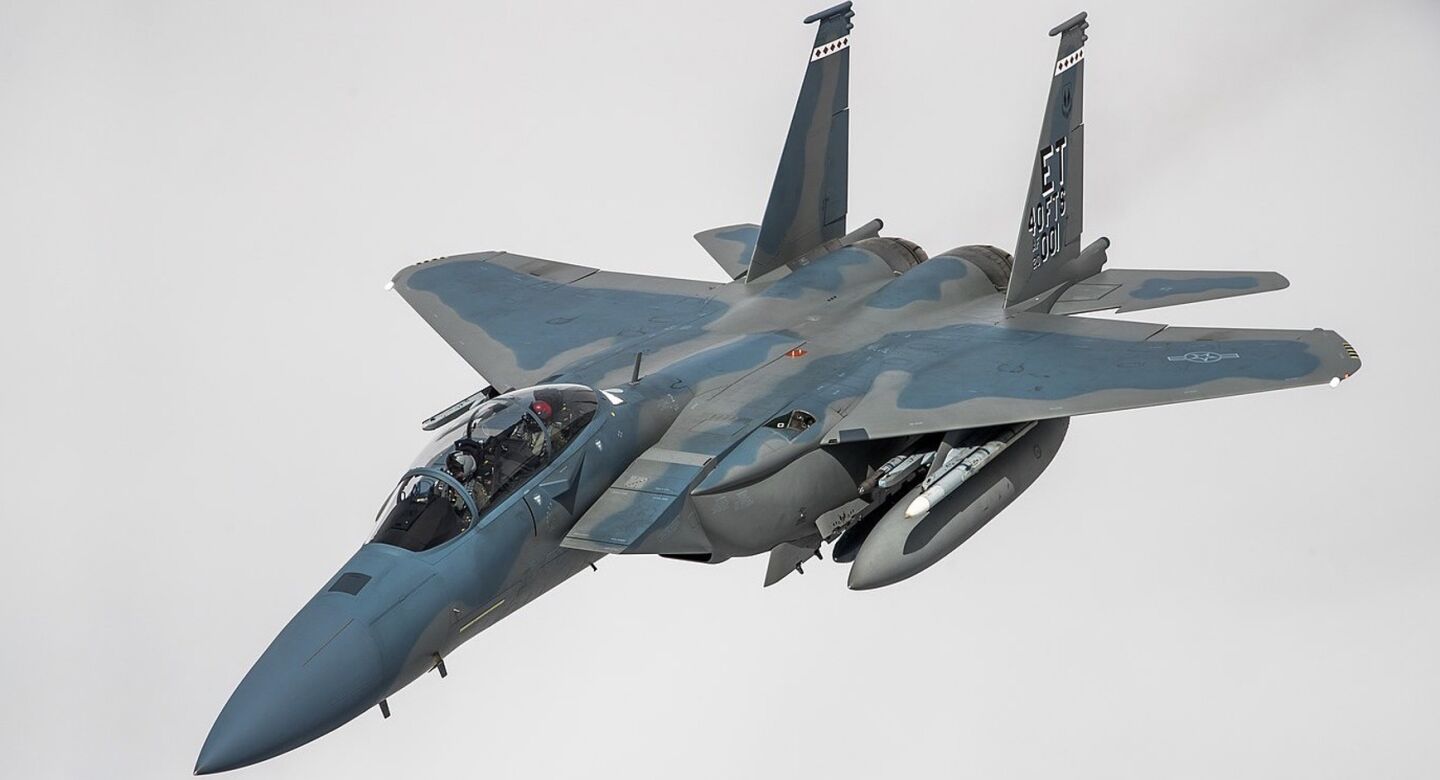
The F-15EX was designed from the outset to accommodate the same conformal fuel tanks used by the F-15E Strike Eagle. Each tank can hold approximately 750 U.S. gallons of fuel. Conformal fuel tanks are fitted closely against the aircraft’s fuselage, reducing their aerodynamic penalty and leaving underwing stations available for other equipment. The aircraft can also carry conventional external fuel tanks alongside its conformal tanks, providing the potential for a particularly long-range configuration with a substantial weapons load. The decision to omit these tanks from the first operational F-15EXs reflected the aircraft’s original emphasis on air-to-air combat, as the added weight imposes significant penalties on flight performance.
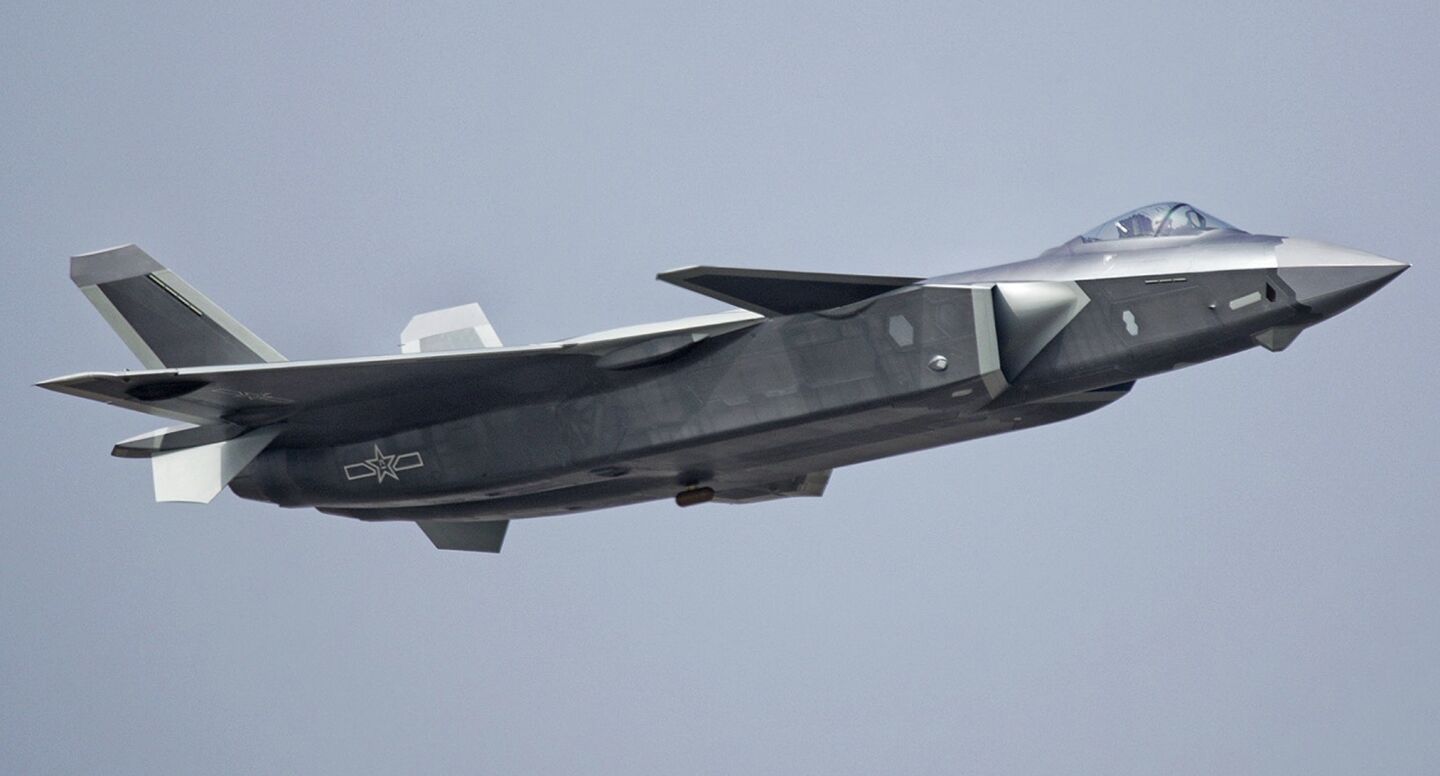
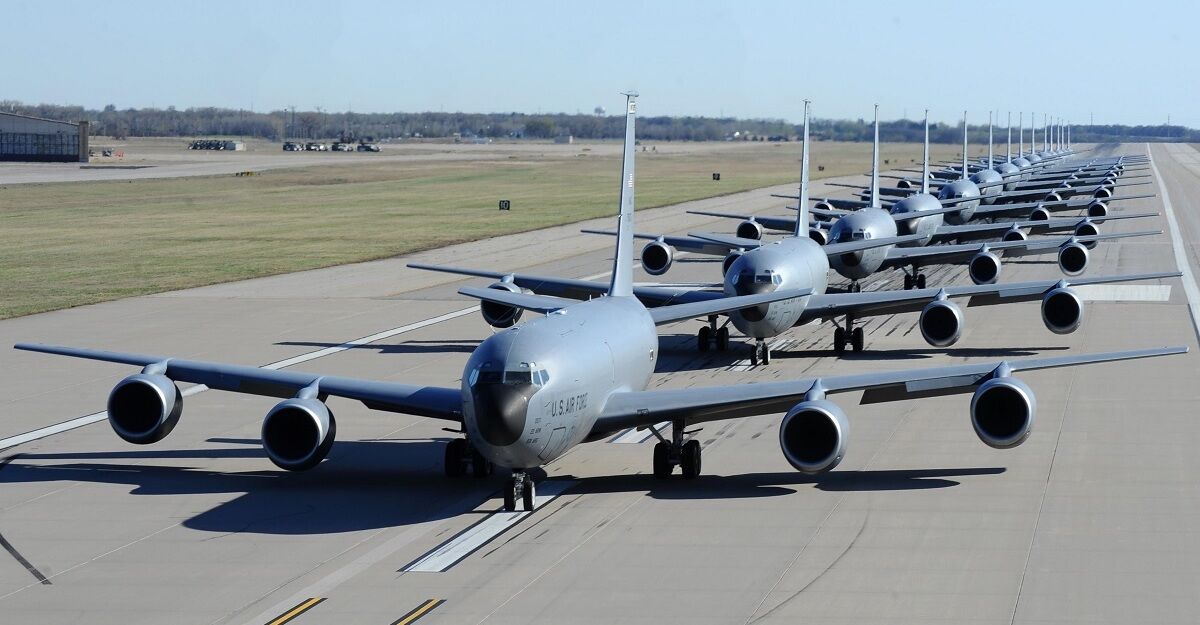
Although very long ranged by the standards of Western fighter types, the F-15’s range is very limited compared to rival Chinese fighter types such as the J-20 and J-16. The survivability of American aerial refuelling aircraft such as the KC-46 in the Pacific, which would be relied on to extend the ranges of U.S. fighters, remains in serious question. These factors have long fuelled expectations that conformal fuel tanks would eventually be integrated onto the F-15EX. The F-15 is one of just two fighter types procured by the U.S. Air Force over the last 15 years, alongside the F-35A, with the F-35 being a much smaller and shorter ranged fighter, which due to its stealth capabilities cannot integrate external fuel tanks without seeing its survivability seriously undermined.
The advantages of conformal tanks extend beyond additional fuel capacity. Conventional underwing tanks increase drag and occupy stations that could otherwise carry weapons, targeting pods or other equipment. Conformal fuel tanks provide additional fuel while freeing those stations for alternative stores, improving the flexibility of the aircraft’s configuration. Nevertheless, unlike drop tanks, they cannot be jettisoned during flight to reduce drag and weight when maximum performance becomes necessary, such as during an air-to-air engagement. This trade-off is particularly relevant to air-superiority missions, in which pilots may prefer the ability to discard external tanks before engaging an opponent. The decision to fit conformal fuel tanks may thus depend on mission requirements, with long-range patrols and strike missions benefiting more directly than engagements in which maximum manoeuvrability is the priority.