
U.S. Surging Production of its Fastest Longest Ranged Fighters with Order for 22 F-15s
Military Watch Magazine Editorial Staff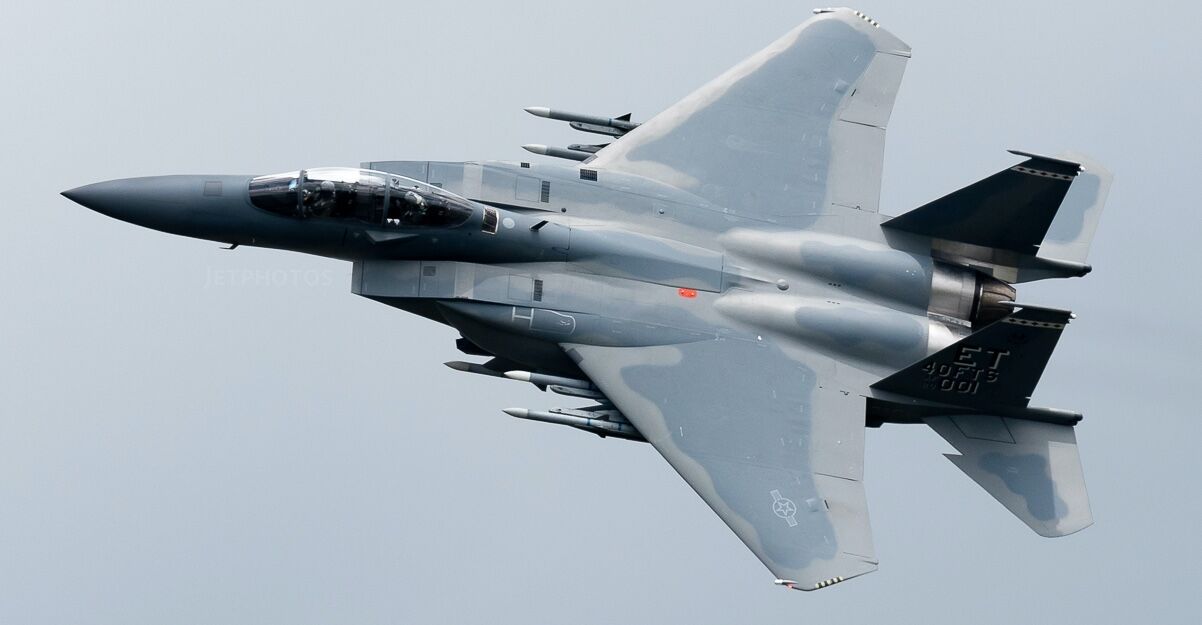
F-15EX Fighter
The U.S. Air Force has awarded Boeing a $2.38 billion contract for 22 additional F-15EX Eagle II fighters, bringing the total number of aircraft under contract to 120. The award, announced on September 29, covers the seventh production lot of the aircraft and was concluded just before the end of the U.S. fiscal year, allowing the service to preserve funding provided through last year’s congressional reconciliation legislation. The Department of the Air Force said the contract accounted for the effects of the 2025 production disruption at Boeing’s St Louis facility as well as broader inflation affecting the defence industrial base.
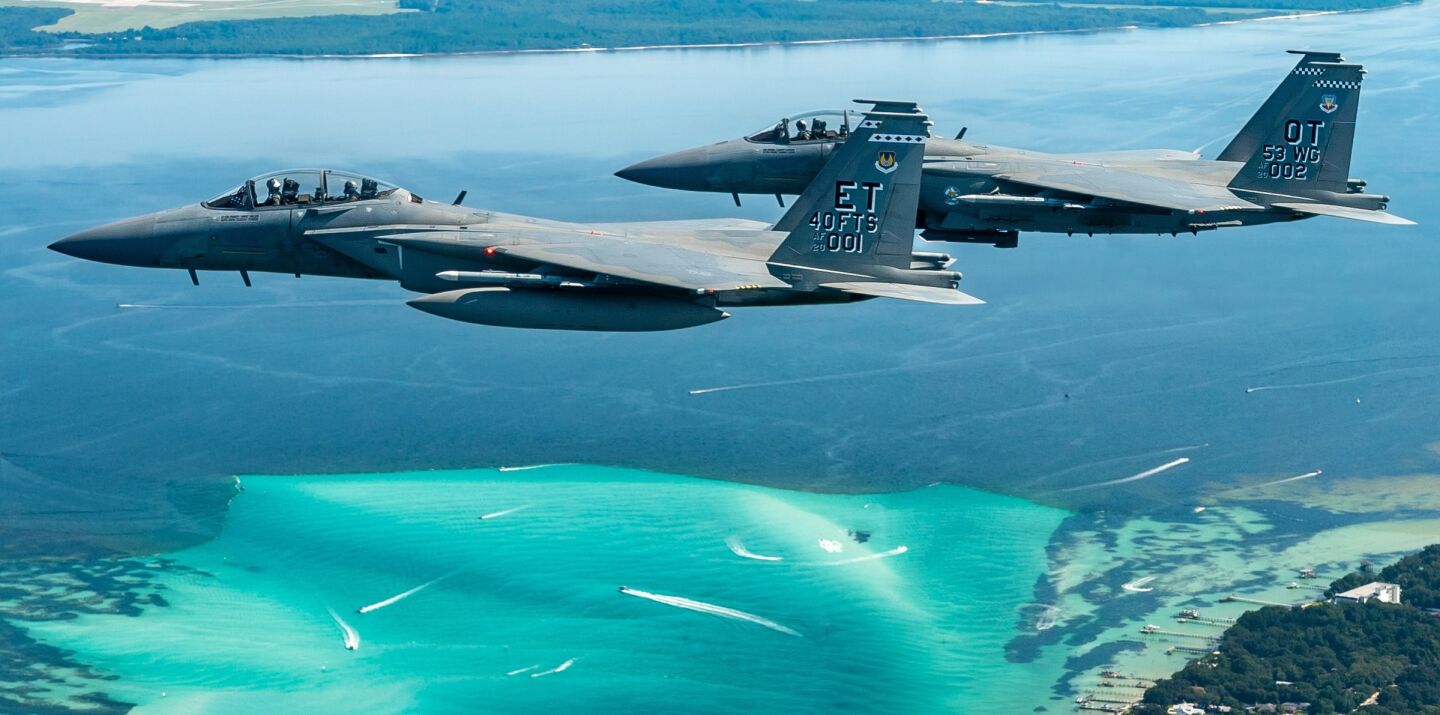
Boeing has stated that it is working with the Air Force to increase production to two aircraft per month as the programme moves towards higher-rate production. The Air Force has substantially expanded its planned F-15EX fleet in recent months. Earlier plans called for 129 aircraft, but the Fiscal Year 2027 budget increased the intended fleet to 267, with the additional aircraft intended not only to replace the remaining F-15C and F-15D fleet but also to begin recapitalising the much newer F-15E Strike Eagle fleet. The Air Force ceased F-15C/D procurements in the late 1980s, and F-15E procurements in 2001, with the older F-15 variants now almost totally phased out of service.
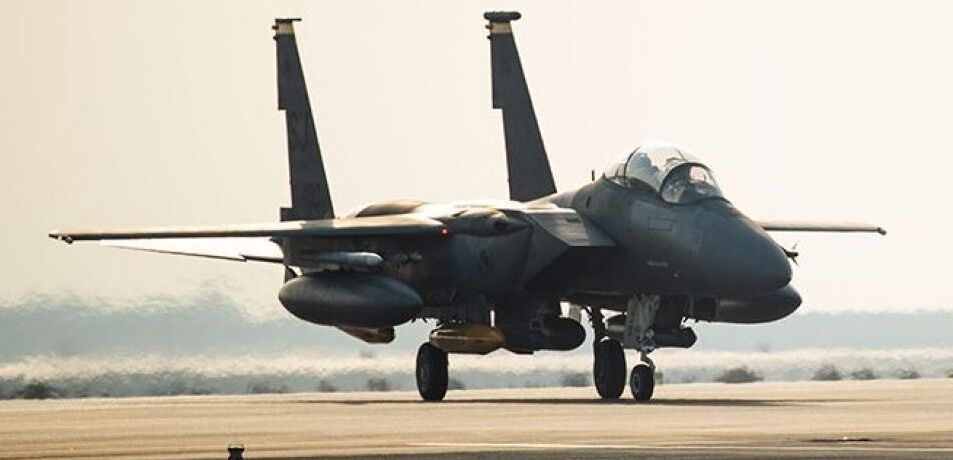
Despite being closely derived from the F-15QA fighter that was developed for export, the F-15EX program has already experienced significant delays. Boeing’s St Louis production line was shut down by a strike between August and November 2025, creating delays that the Pentagon has described as unrecoverable. The resulting disruption affected deliveries from multiple production lots, including aircraft intended for operational deployment overseas. The fourth production lot has also fallen behind its original schedule. Deliveries that were originally expected to begin in 2026 are now not expected to begin until 2028, while Boeing needs to increase production to approximately two F-15EXs per month to meet its contractual requirements. Parts shortages affecting components including large-area displays, F110 engines and ejection-system cartridges have also presented additional challenges.
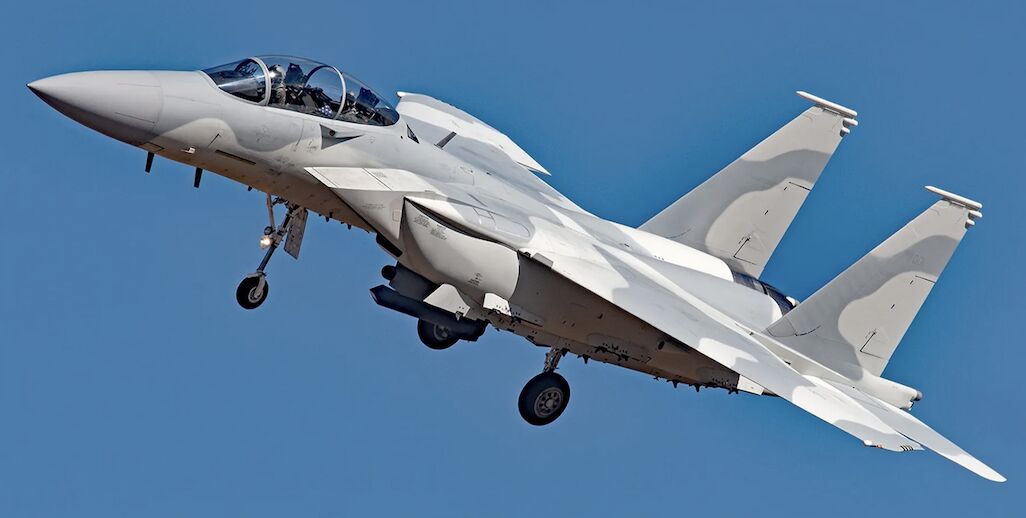
Negotiations between the F-15 program office and Boeing were structured to keep all 22 aircraft within the available funding rather than reducing the size of the production lot. “Lot 7 reflects a disciplined approach to executing available resources while balancing the realities affecting defence production,” said Brigadier General Timothy Helfrich, portfolio acquisition executive for the fighters and Advanced Aircraft Directorate. “The team remained focused on affordability, production continuity and delivering the aircraft needed to modernise the U.S. Air Force’s fighter fleet for the threats we face today and into the future, he added.
