
U.S. Air Force Tanker Fleet in Wartime Crisis as KC-135 Fleet Ages and KC-46 Struggles
Military Watch Magazine Editorial Staff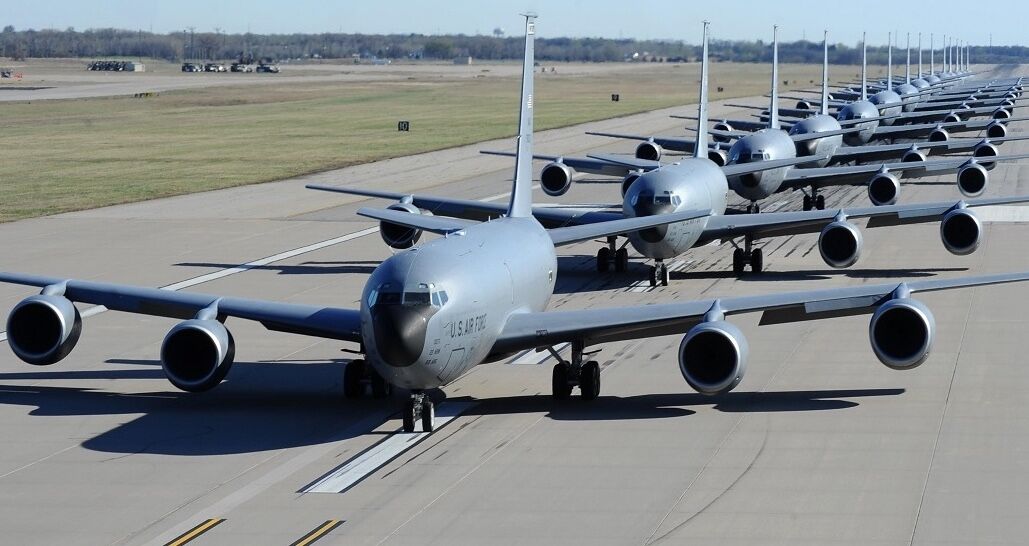
KC-135 Tankers
The U.S. Air Force is facing growing difficulties sustaining its aerial refuelling fleet, with its ability to sustain global air operations increasingly constrained by the age of its KC-135 Stratotankers and continuing problems with the newer KC-46A Pegasus. A recent assessment by the U.S. Government Accountability Office (GAO) found that the condition and sustainment of the tanker fleet had deteriorated significantly, while the service’s transition from the KC-135 to the KC-46 has failed to proceed quickly enough to prevent a growing capability gap. The development is particularly significant given the dependence of the U.S. Armed Forces on aerial refuelling to project air power over the enormous distances separating American bases from potential theatres of operations.
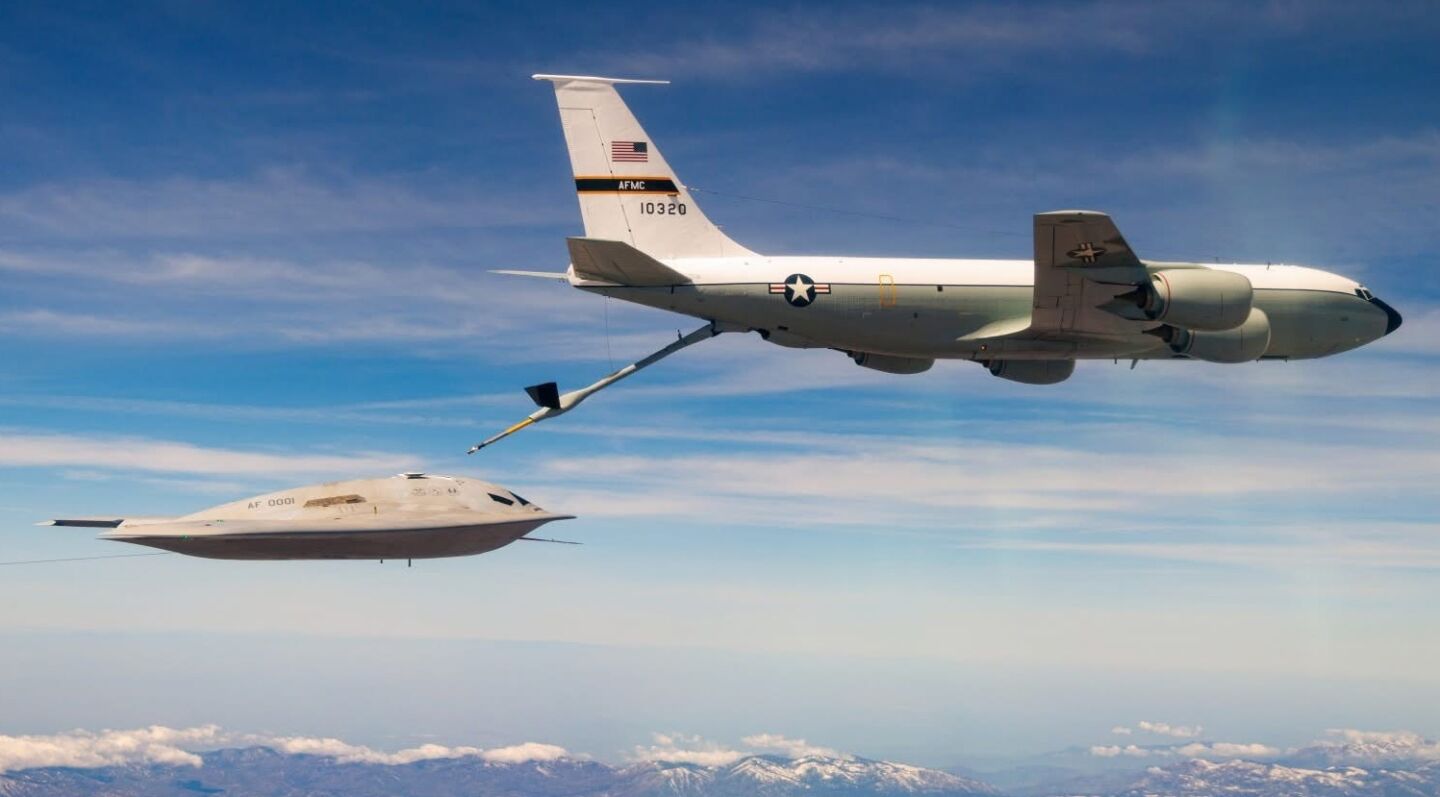
The GAO found that the full mission capability of the tanker fleet — the proportion of aircraft able to perform all their assigned missions — declined substantially between 2019 and 2025. The publicly released version of the report omits some of the most sensitive readiness data, but the assessment nevertheless identifies serious sustainment risks and concluded that the Air Force had not adequately assessed or mitigated the long-term risks confronting its tanker force. GAO consequently issued four recommendations, including the adoption of better metrics for assessing refuelling capability and a comprehensive assessment of sustainment risks affecting both the KC-135 and KC-46A.
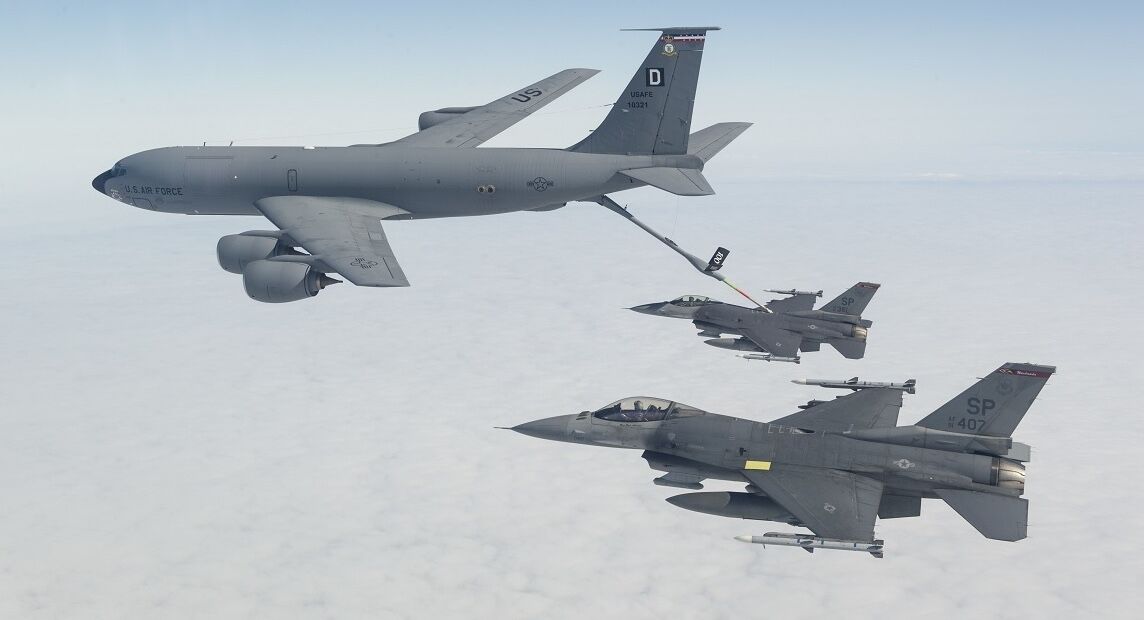
The KC-135 has been the backbone of American aerial refuelling for more than six decades, with the aircraft first entering service in 1957. Although extensive modernisation, including new engines and avionics, has allowed the aircraft to remain operationally relevant, the basic airframes are now exceptionally old. The Air Force had 373 KC-135s in its inventory as of early March 2026, although several have been lost to or damaged in Iranian strikes since then. The service has continued to rely on the type despite having begun its replacement programme more than a decade ago. Shortages of spare parts for the KC-135 have compounded prevailing issues, forcing maintainers to remove functioning components from one aircraft in order to keep another operational, leaving some aircraft grounded for extended periods. Officials warned that this cannibalisation was “not sustainable in the long-run” and could have significant consequences for the health of the tanker fleet.
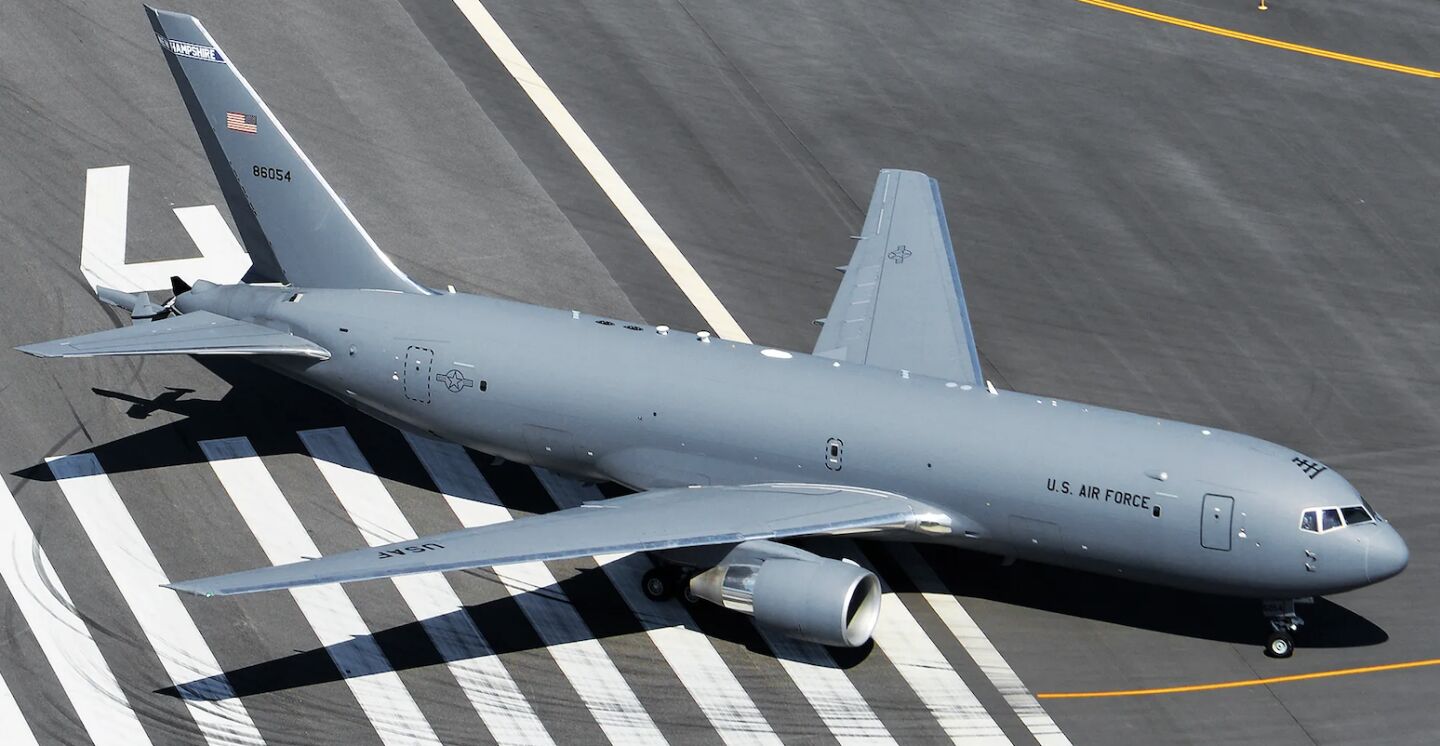
The KC-46A developed to replace the KC-135 is based on the Boeing 767 airliner, and offers a substantially greater capacity and more modern systems as well as defensive equipment intended improve survivability. Yet the programme has been troubled by technical problems and delays since its inception. Due to ongoing issues and development delays, the KC-46A is still not fully through operational testing, despite already being in limited service, which has for years represented a concurrency problem for the Air Force. Recent Pentagon and U.S. Air Force reporting confirms that the KC-46’s Initial Operational Test & Evaluation is still incomplete, despite testing having effectively been ongoing since 2019. The Pentagon test report summarised that the aircraft “has not been able to meet several suitability metrics.” Mission-capable rates remain below required thresholds.
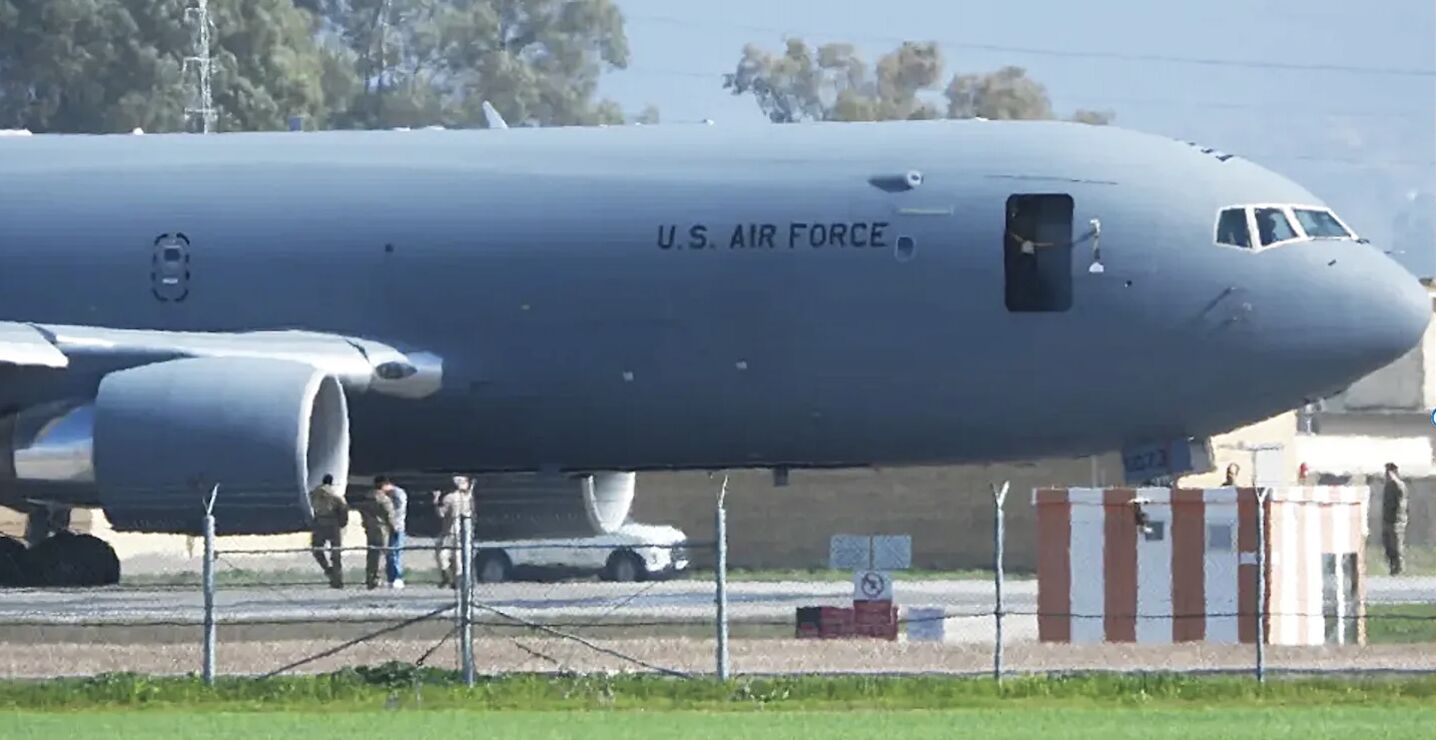
Leading reasons why the KC-46 remains stuck in an extended testing phase include issues with its Remote Vision System and the requirement for a redesign of its boom actuator redesign, which alongside other systems issues have prevented the completion of its Initial Operational Test and Evaluation process for the past seven years. Although approximately 85 percent of required flight data collected, it cannot be finalised until upgraded components are installed and validated. Issues with the KC-46 gained greater attention after the failure of a one of the aircraft o take off at Moron Air Base in southern Spain left the facility’s runway closed for several days, delaying a weeks long military buildup against Iran. Alongside reliability issues, the existing fleet’s mission capable rates have remained outstandingly low, despite the aircraft being newly built.
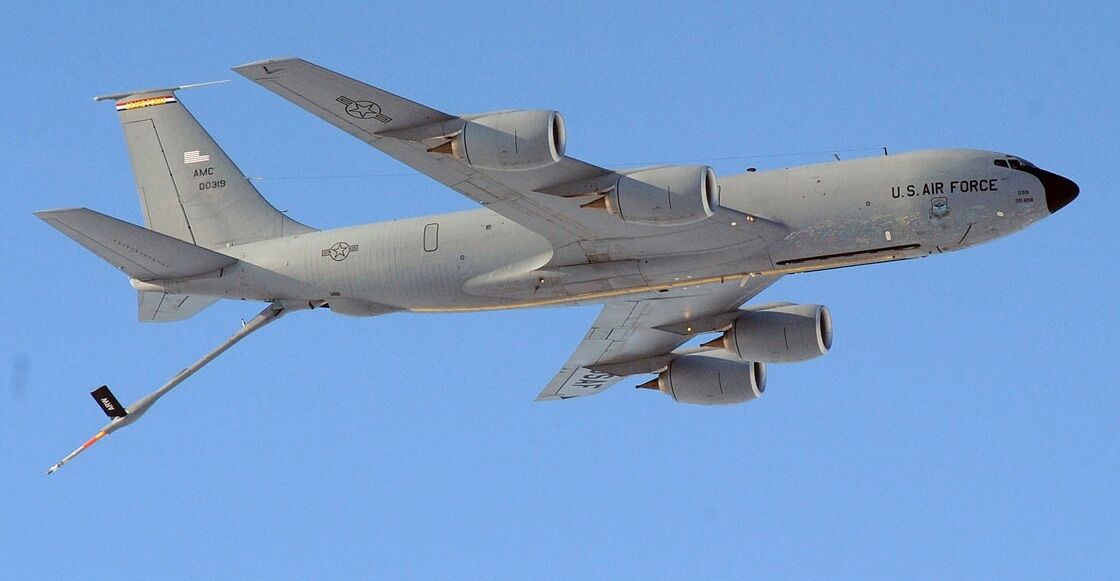
Even after the planned expansion of the KC-46 fleet, a substantial gap will remain. The Air Force is considering acquiring as many as 263 KC-46As, but this would still leave the service dependent on a large number of KC-135s for years to come. With the KC-135 fleet continuing to age, the challenge is therefore not simply replacing aircraft but sustaining sufficient numbers of operational tankers during the lengthy transition to the new fleet. The tanker problem is also symptomatic of broader difficulties within the U.S. defence acquisition system. Retired General Mike Minihan, who previously commanded Air Mobility Command, described the KC-46 as “the poster child for why we need to reform the acquisition process.” The GAO has similarly criticised an acquisition system in which programmes can receive extremely large development contracts on the basis of optimistic schedules and assumptions, only for delays and cost growth to emerge after substantial resources have already been committed.
