
2018; A Look Back at the Ten Most Significant Military Events of the Year
Military Watch Magazine Editorial Staff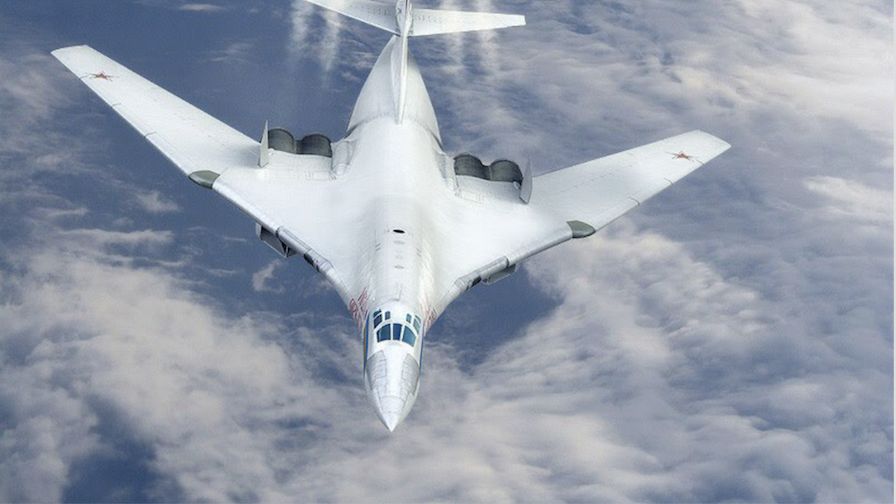
Russian Air Force Tu-160 Intercontinental Range Strategic Bomber
China Commissions its First Type 055 Class Destroyers
The commissioning of the first Type 055 Class destroyers by China’s People’s Liberation Army marks the first time in modern history the country can claim to field the world’s most powerful surface warships. The Type 055 considerably surpasses the capabilities of the lighter Type 052D, Western destroyers such as the Arleigh Burke Class, and even the South Korean Sejong the Great Class destroyer which was formerly considered the most capable in the world. Three of these warships were commissioned in 2018, and the rate of production is set to continue to increase as military shipyards continue to expand.
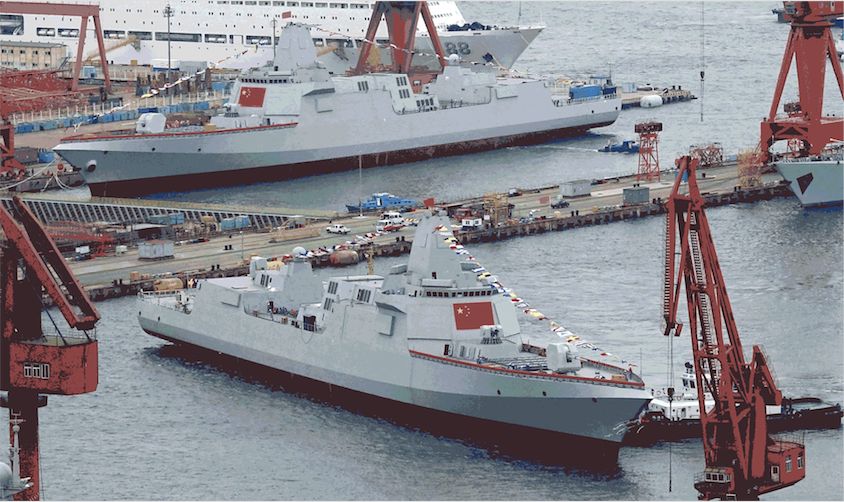
Type 055 Class Destroyers
North Korea Puts Tactical and Intercontinental Range Ballistic Missiles Into Mass Production - Ceases Testing
Following a year of high tensions with the United States and its allies, North Korea announced an end to the testing of ballistic missiles and nuclear weapons and a refocusing of state efforts towards economic development. With new missile platforms such as the Hwasong-15 and Pukkuksong-2 providing an unprecedented level of security against a potential American attack, the country has reduced its spending on conventional defence and placed these advanced new munitions into mass production. Paired with miniaturised hydrogen bombs, successfully tested in 2018, the East Asian state has begun to reap the benefits of years of investment in developing a viable nuclear deterrent.
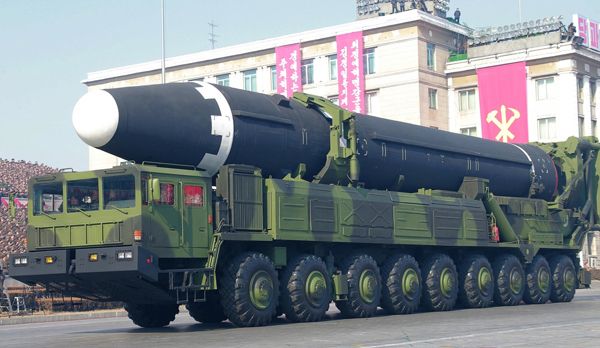
Hwasong-15 Intercontinental Range Ballistic Missile
Britain Restored as a Carrier Power - Places Fighters on HMS Queen Elizabeth
The British Royal Navy’s deployment of F-35B fifth generation stealth fighters on the aircraft carrier HMS Queen Elizabeth marks the first time in decades that the country has been able to field a full sized aircraft carrier. The 65,000 ton warship is the largest ever manufactured in the country, and the high end capabilities of its air wing make it without a doubt the most capable Western aircraft carrier outside the Untied States. Whether the country will see through its plans to acquire over 100 of the costly fighters needed to outfit two of the Queen Elizabeth Class ships and train their pilots remains to be seen however.
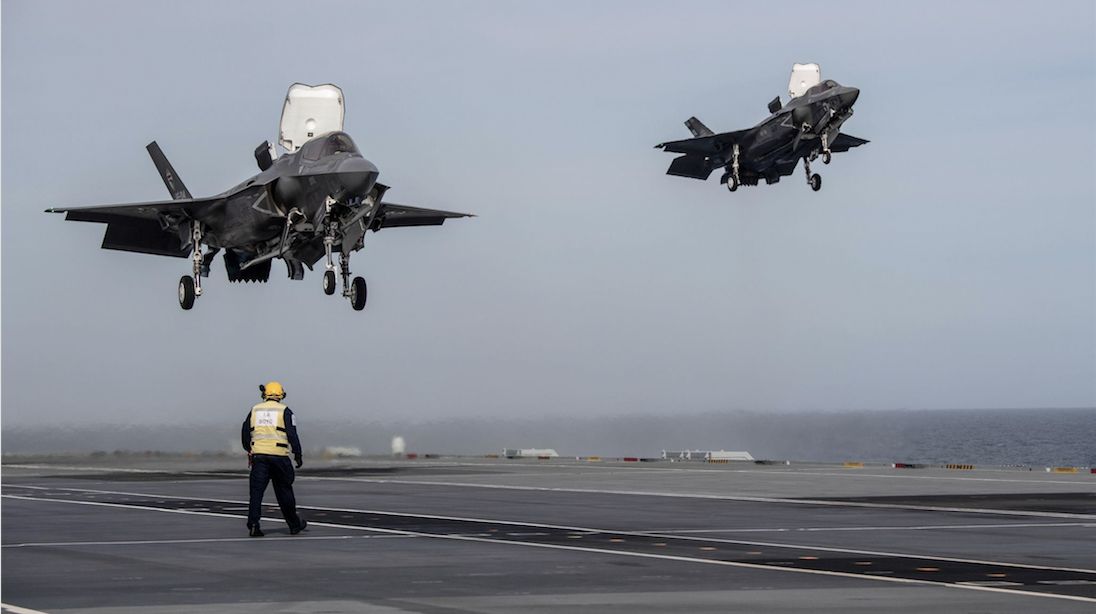
F-35B Stealth Fighters Carry Out Vertical Landings Onboard the Carrier HMS Queen Elizabeth
Air War Over Syria Evolves Considerably; Damascus Shoots Down Israeli F-16 Fighting Falcon - And (Accidentally) a Russia Reconnaissance Plane, Receives First S-300PMU-2 Missile Batteries
Syria successfully downed an Israeli F-16 Fighting Falcon in February, forcing the Israeli Air Force to seriously alter the way which it carried out operations and rely more heavily on deploying standoff munitions from beyond Syrian airspace. The rate at which these munitions were intercepted has continued to increase however, forcing Israeli fighter squadrons to adopt new tactics to avoid being shot down. This led to Israeli fighters using a Russian Il-20 reconnaissance jet for cover in September, and the aircraft accidentally being shot down by Syrian S-200 batteries. Russia in turn responded by providing its Middle Eastern ally with S-300PMU-2 surface to air missile batteries - a weapons system in the Russian arsenal for over two decades but still decades ahead of those currently in Syrian service. This platform has yet to be deployed against Israeli jets, with Israeli airstrikes against Syrian targets decreasing following their delivery.
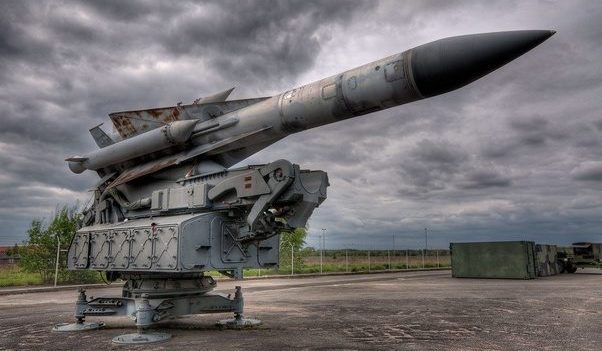
S-200 Surface to Air Missile
China and India Resume Military Cooperation as Tensions Continue to Ease Following 2017 Doklam Standoff
Tensions between China and India have continued to ease following a spike in mid 2017 over a border dispute at the Doklam Plateau. Both countries have taken extensive measures to avoid escalation and negotiate in good faith - though also strengthening the military capabilities near the region to deter any hostile action by the other. The resumption of joint military exercises represented both countries’ firm intention to seek peace and avoid further incidents. Defence talks have continued to take place laying the ground for an expansion of their military partnership to new levels.
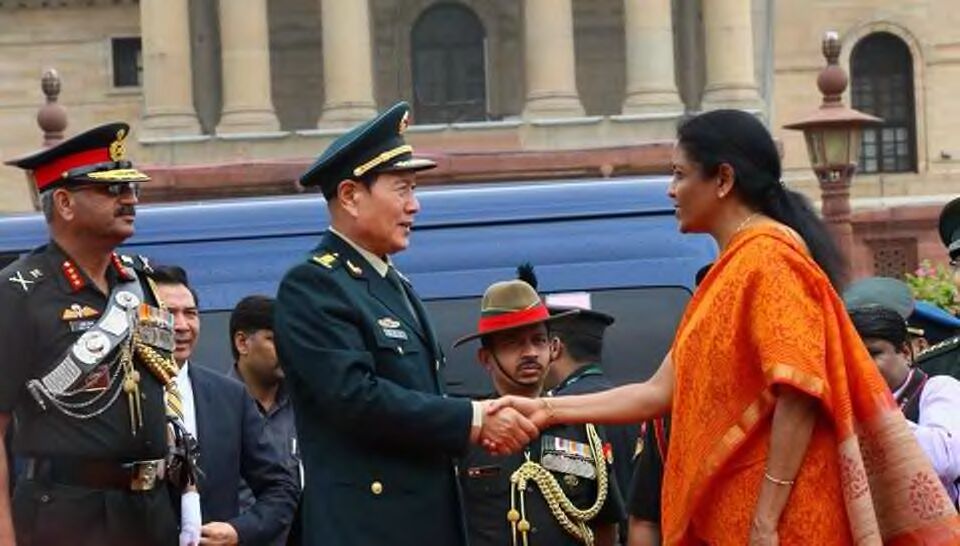
Chinese and Indian Defence Ministers Wei Fenghe and Nirmala Sitharaman
U.S. Air Force Orders ‘4++ Generation’ F-15X Fighters - First Investment in Air Superiority Jets Since 2009
The Untied States Air Force in December placed an unexpected order for Boeing’s F-15X ‘4++ generation’ air superiority fighters, representing the first investment in new high end air superiority jets by any Western military since the termination of production of the F-22 Raptor in 2009. Concerns has been raised by a number of analysts regarding the state of American air superiority capabilities, with the Raptor fleet considered too small to taken on emerging challenges and both Russia and China investing heavily in ‘4++’ and fifth generation air superiority fighters of their own. The F-15X, reportedly set to deploy a massive arsenal of 24 AIM-120D air to air missiles alongside an advanced AESA radar and the latest avionics and electronic warfare systems, may well turn out to be the most capable combat jets of its kind in the world with capabilities in many ways unrivalled by competing platforms such as the Su-35.
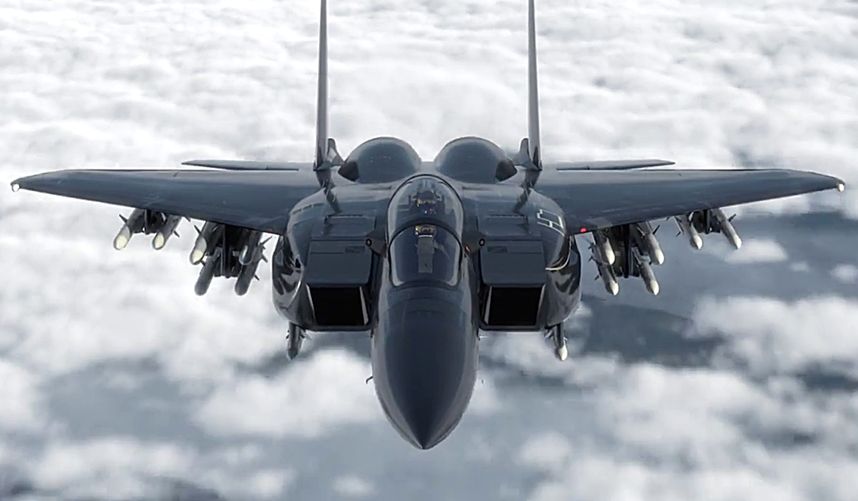
Next Generation F-15 Concept Design
Russia’s Elite Su-57 Fighters Carry Out First Combat Missions with Airstrikes in Syria; New Technologies Continue to Be Developed for the Next Generation Platforms
Russian Su-57 air superiority fighters deployed to Syria in February, carrying out airstrikes against Islamist militant targets demonstrating the country’s attainment of fifth generation aerial warfare capabilities. Four of the advanced jets were deployed to Syria for a number of combat missions, testing state of the art new standoff munitions. Russia has meanwhilwe continued to develop new munitions for the aircraft, including g force resistant suits, hypersonic ballistic missiles, lasers and artificial intelligence. Research for the development of a carrier variant of the fighter is reportedly also underway, and Russia appears set to develop the airframe into a sixth generation fighter to content with the upcoming American Air Dominance Fighter in the early 2030s.
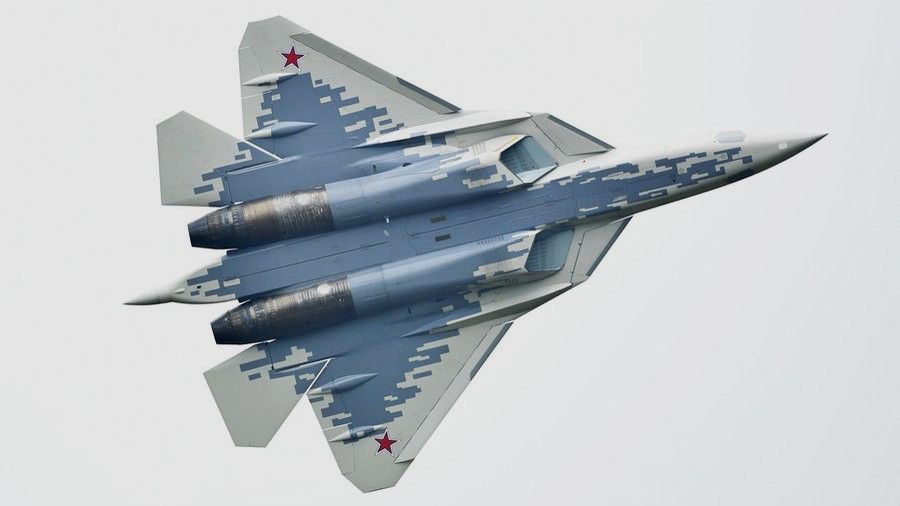
Russian Air Force Su-57 Fifth Generation Air Superiority Fighter
American F-35A Stealth Fighter’s Cost Per Unit Drops Below $90 Million as Lockheed Martin Hits 91 Aircraft Annual Production Target
Despite the U.S. military temporarily freezing of orders for further F-35 singe engine stealth fighters, Lockheed Martin has met its production goal of 91 fighters in 2018 - averaging one fighter every four days or seven and a half fighters every month. While the F-35 was initially priced at over $350 million, a wholly unaffordable price for a single engine light fighter intended as a cheaper complement to the F-22, its price falling below $90 million, primarily as a result of the colossal scale on which it is being manufactured relative to other next generation fighters, has made it very cost effective. The F-35A today costs considerably less than ‘4++ generation’ European fighters, while retaining a considerable technological advantage and high end stealth capabilities which the European jets lack. F-35 production is set to continue to expand as the fighter comes to form the bulk of the American fleet - replacing the F-16 Fighting Falcon. The F-35 also proves highly popular on export markets, with Belgium selecting the jet over European rivals as Japan plans acquisition of almost 150 jets.
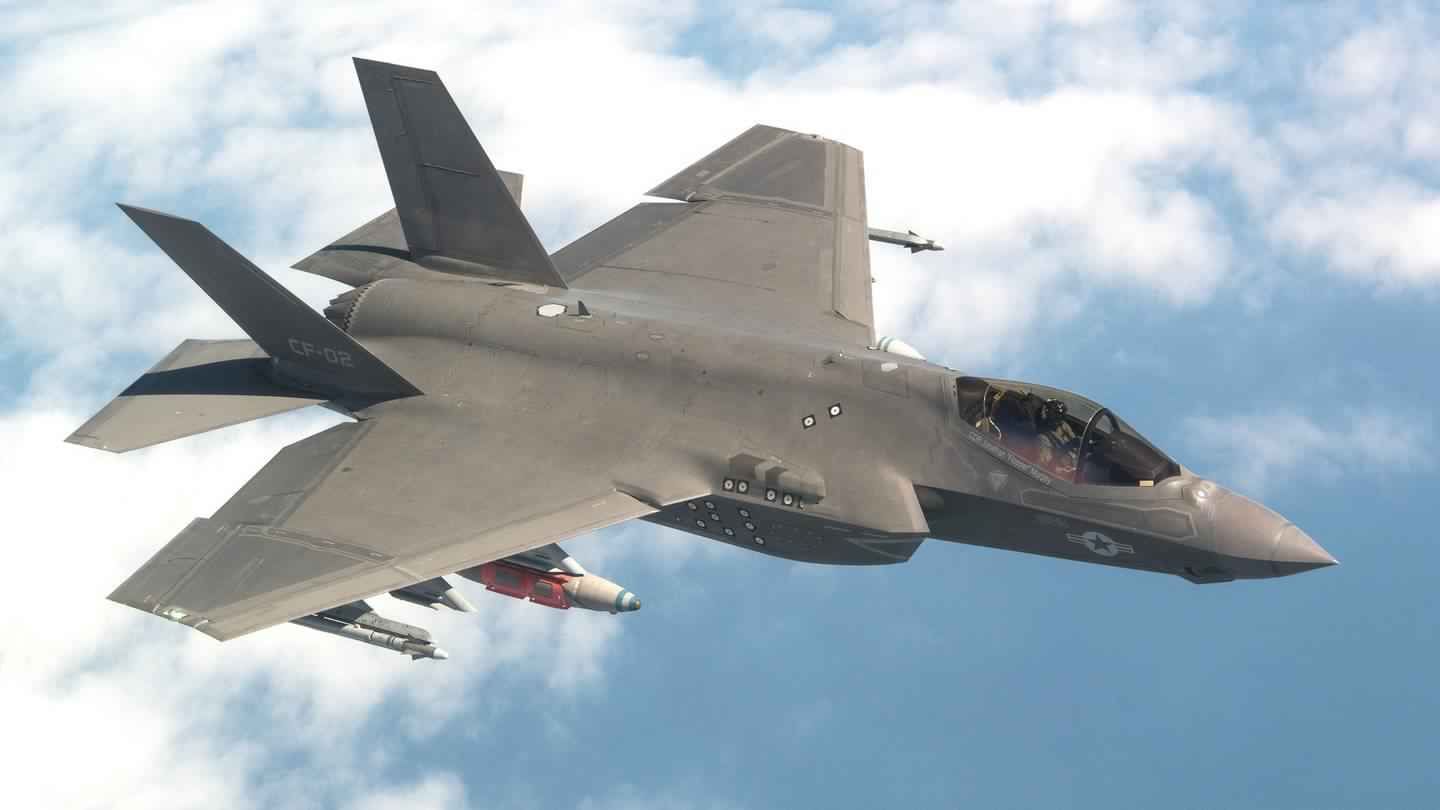
F-35 Single Engine Fifth Generation Fighter
Russia Successfully Tests Kh-47M2 Kinzhal Tactical Hypersonic Ballistic Missile and Iskander Strategic Hypersonic Glide Vehicle
Following the announcement by Russian President Vladimir Putin in March of the imminent deployment of a number of new hypersonic weapons systems, the Russian armed forces successfully tested the Kh-47M2 Kinzhal hypersonic air launched ballistic and began to induct them into service by the middle of the year. The Kinzhal has the potential to deny hostile surface warships access to almost the entire Asia-Pacific region when deployed to Russia’s Far East and disable any surface warship from thousands of kilometres away - a considerable game changer for the regional balance of power. Another prolific hypersonic platform which saw its final successful test, the Avangard intercontinental range hypersonic glide vehicle, striking at over Mach 20 with a high degree of precision, poses a considerable threat to Western population centres and serves to revolutionise Russia’s strategic deterrent.
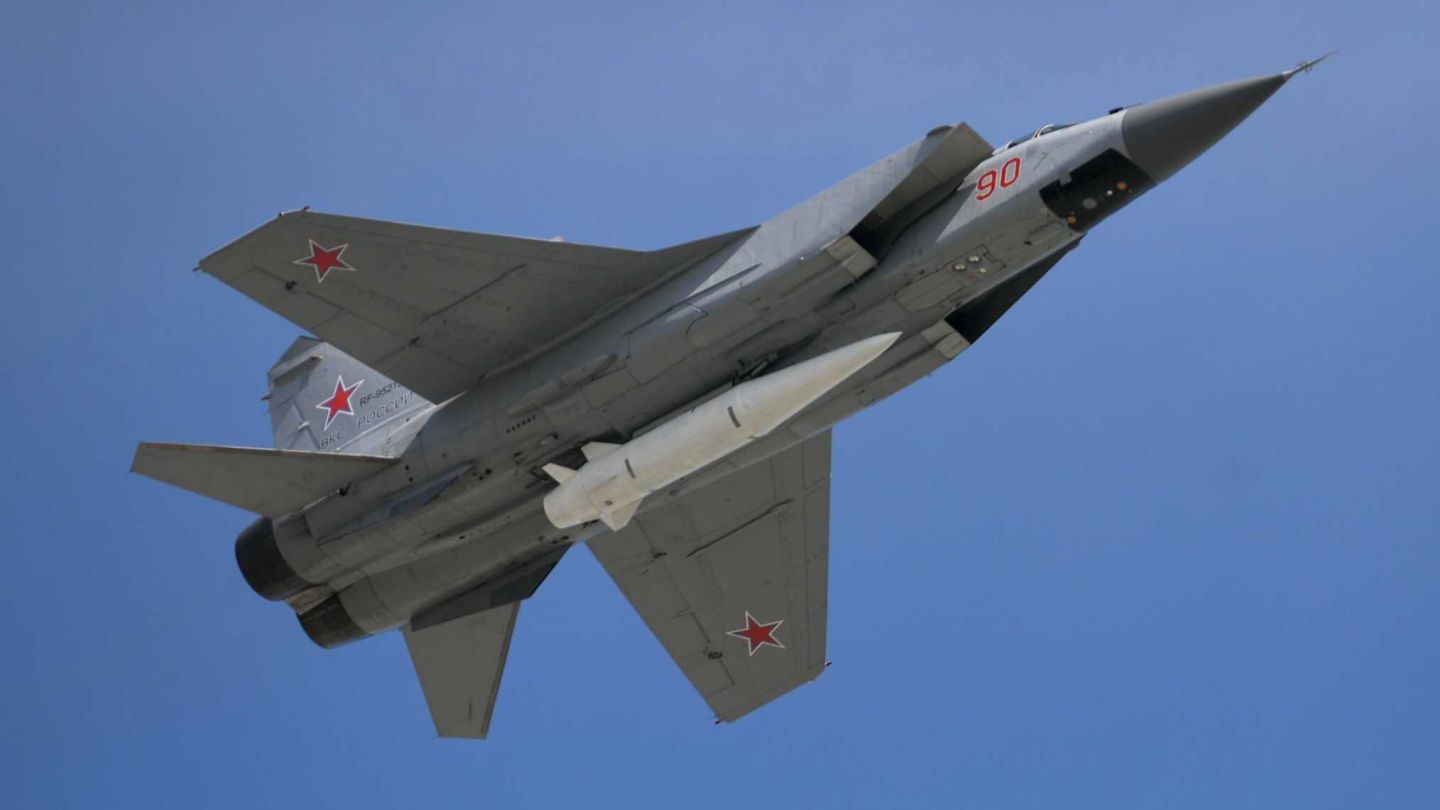
Russian Air Force MiG-31 Interceptor with Kh-47M2 Kinzhal Hypersonic Ballistic Missile
North Korean Leaders Kim Yong Nam and Kim Jong Un Meet President Moon Jae In in South Korea; Inter-Korean Relations Warm Considerably
A historic meeting between the North Korean head of state Kim Yong Nam and his South Korean counterpart Moon Jae In in February 2018 at the Pyeongchang Winter Olympics, at which the two countries formed several joint teams, was followed two months later by a meeting between North Korean leader Kim Jong Un with the South Korean President. The historic meeting between the two marked the first time a North Korean leader visited South Korean since the Korean War, and represented the beginning of a considerable detente which has continued ever since - with the exchange of gifts and investment in joint railway infrastructure. While Western drafted economy sanctions on Pyongyang have limited the scope of cooperation between the Koreas, and U.S. forces at the inter Korean border have at times prevented the passage of trains between the two, closer inter Korean ties are highly promising for both highly complementary economies. With the two Koreas being among the world’s foremost military powers, closer cooperation and a detente on the peninsula has considerable implications for the Asia-Pacific region and the wider world.
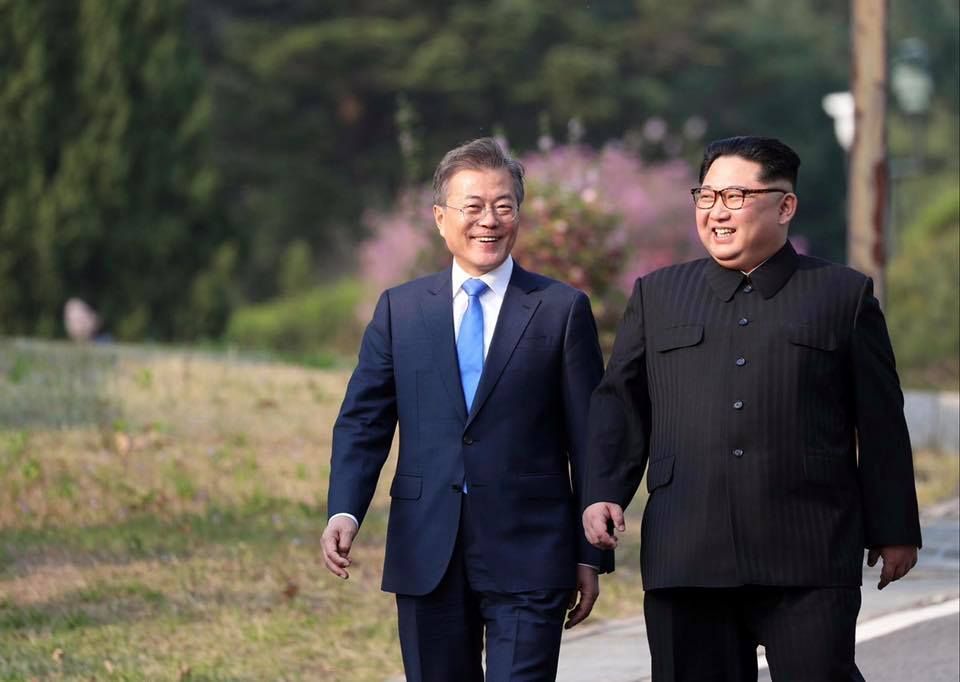
South Korean President Moon Jae In and North Korean Leader Kim Jong Un
Honorable Mention:
Russia Deploys Tu-160 Nuclear Capable Heavy Bombers to Venezuela
As tensions between Caracas and Washington continue to rise, Russia deployed its elite Tu-160 intercontinental range heavy bombers to Venezuela - an unprecedented move cementing the country’s influence in the region. Bombers circling over Caracas are capable of launching nuclear strikes against much fo the United States mainland using advanced radar evading cruise missiles - some of which are capable of striking at extreme speeds. The deployment of these systems exposes the United States to nuclear attacks from its relatively poorly defended southern border. This represents a considerable threat to the American position comparable to the Soviet deployment of nuclear missiles to Cuba in the 1960s. Moscow is reportedly planning a military base in Venezuela in response to the growing Western military presence in Eastern Europe.
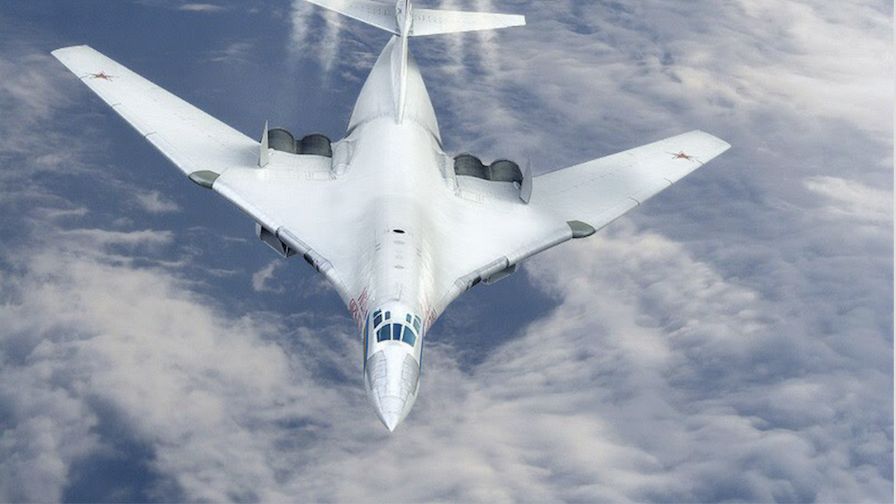
Russian Air Force Tu-160 Intercontinental Range Strategic Bomber
