
The World’s Most Expensive Warship: New American BBG(X) Battleships Cost Twice as Much as Nuclear Aircraft Carriers
Military Watch Magazine Editorial Staff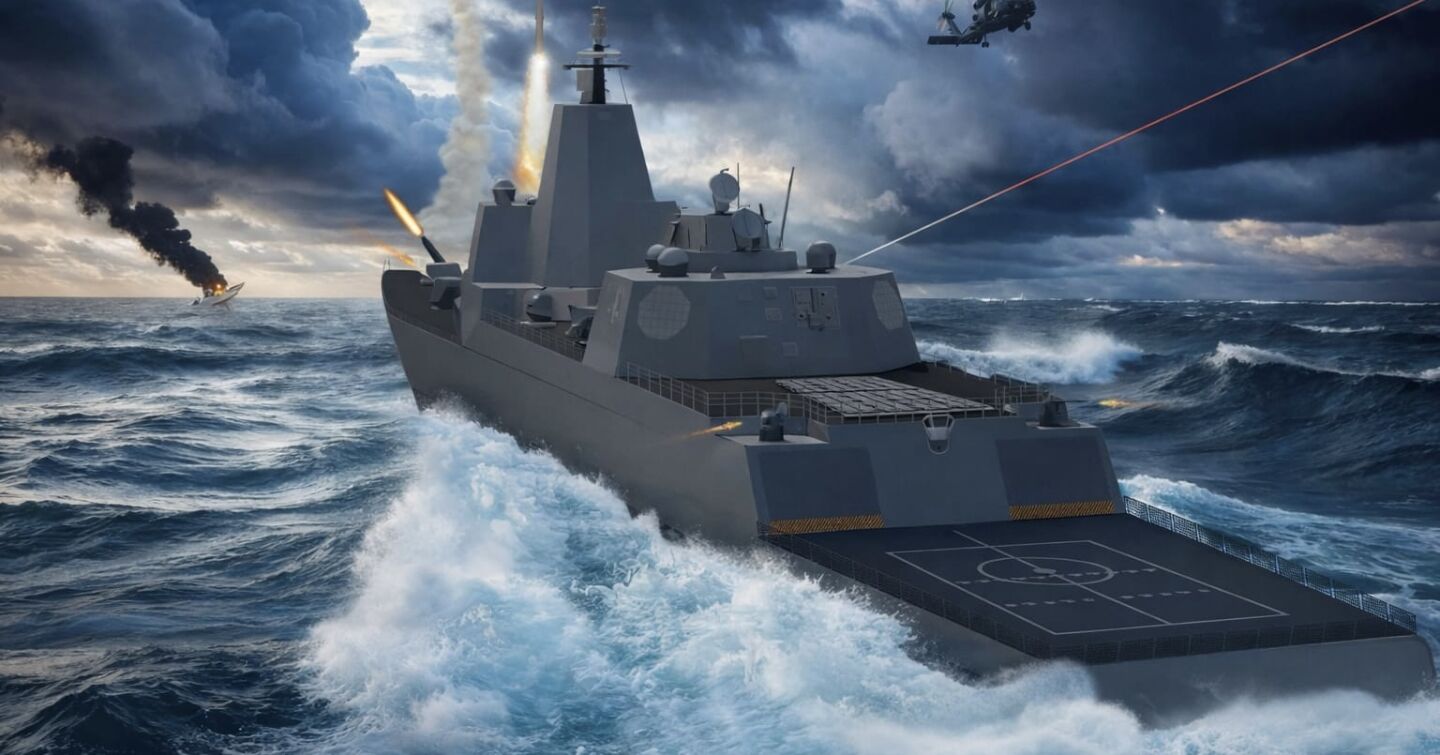
The U.S. Congressional Budget Office has released a new assessment estimating that the first vessel of the U.S. Navy’s proposed BBG(X) nuclear-powered battleship program, commonly referred to as the Trump class, will cost approximately $23 billion to construct. The report estimates the total cost of a planned fleet of 15 ships at around $275 billion, with an average procurement cost of roughly $18 billion per vessel over the life of the program. The costs of the vessels are approximately equivalent to those of two 100,000 ton aircraft carriers, including one Gerald Ford and one Nimitz class ship, with the U.S. defence sector’s record for persistent very serious cost overruns further raising the possibility of major increases beyond $18 billion per ship.
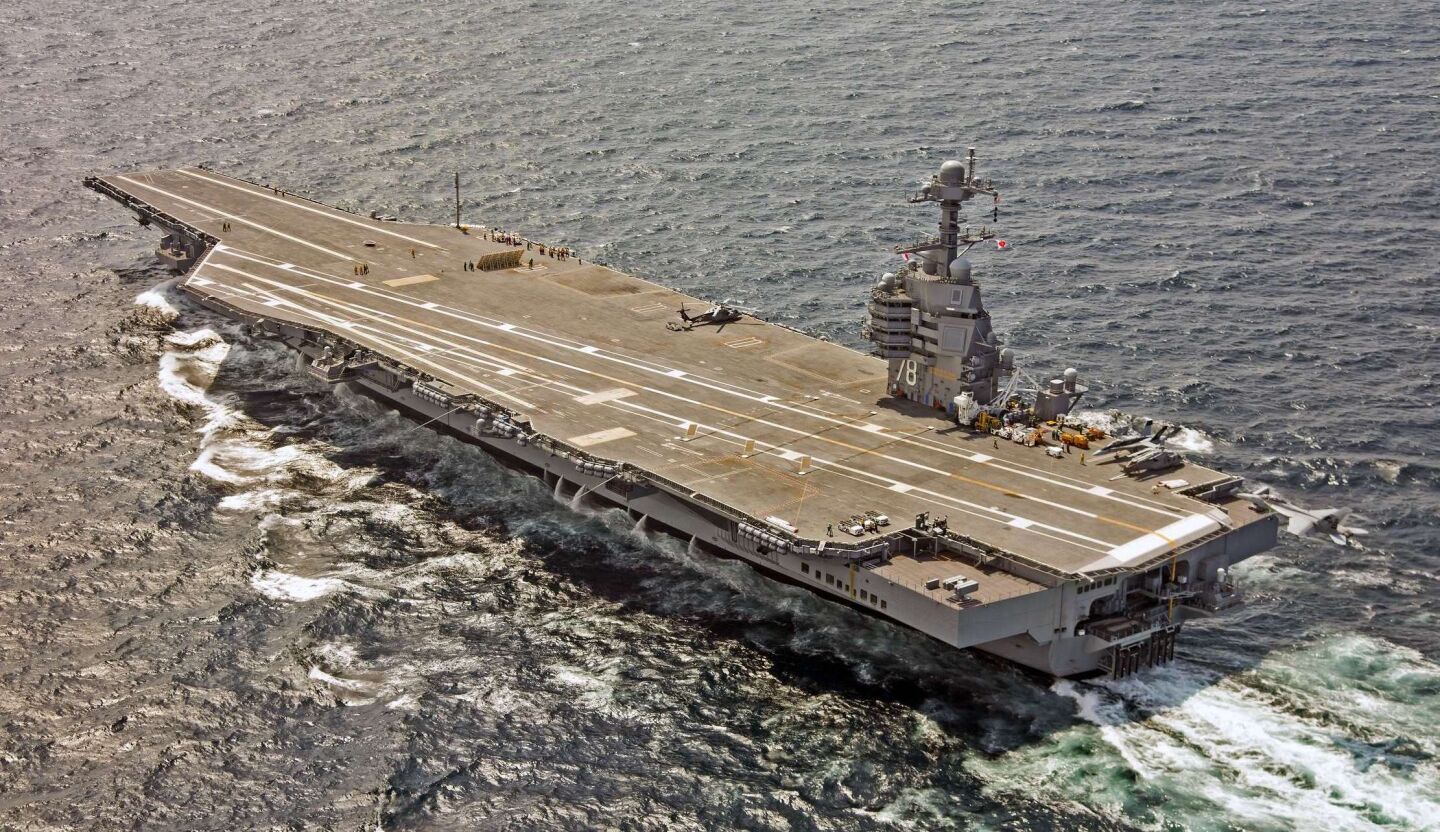
Even if significant cost overruns are avoided, figures would make the new battleship one of the most expensive surface combatants ever built. For comparison, a Flight III Arleigh Burke class destroyer currently costs approximately $2.7 billion, while the second Gerald Ford class aircraft carrier, USS John F. Kennedy, is projected to cost approximately $12.9 billion. Even accounting for the higher cost of the lead ship, the BBG(X) programme would result in warships that are substantially more expensive than U.S. Navy nuclear-powered aircraft carriers. The Senate has notably avoided overreliance on the BBG(X), and continued investment in the much more conservative DDG(X) destroyer program, which is likely to become the central focus of surface combat fleet modernisation should the DDG(X) fail.
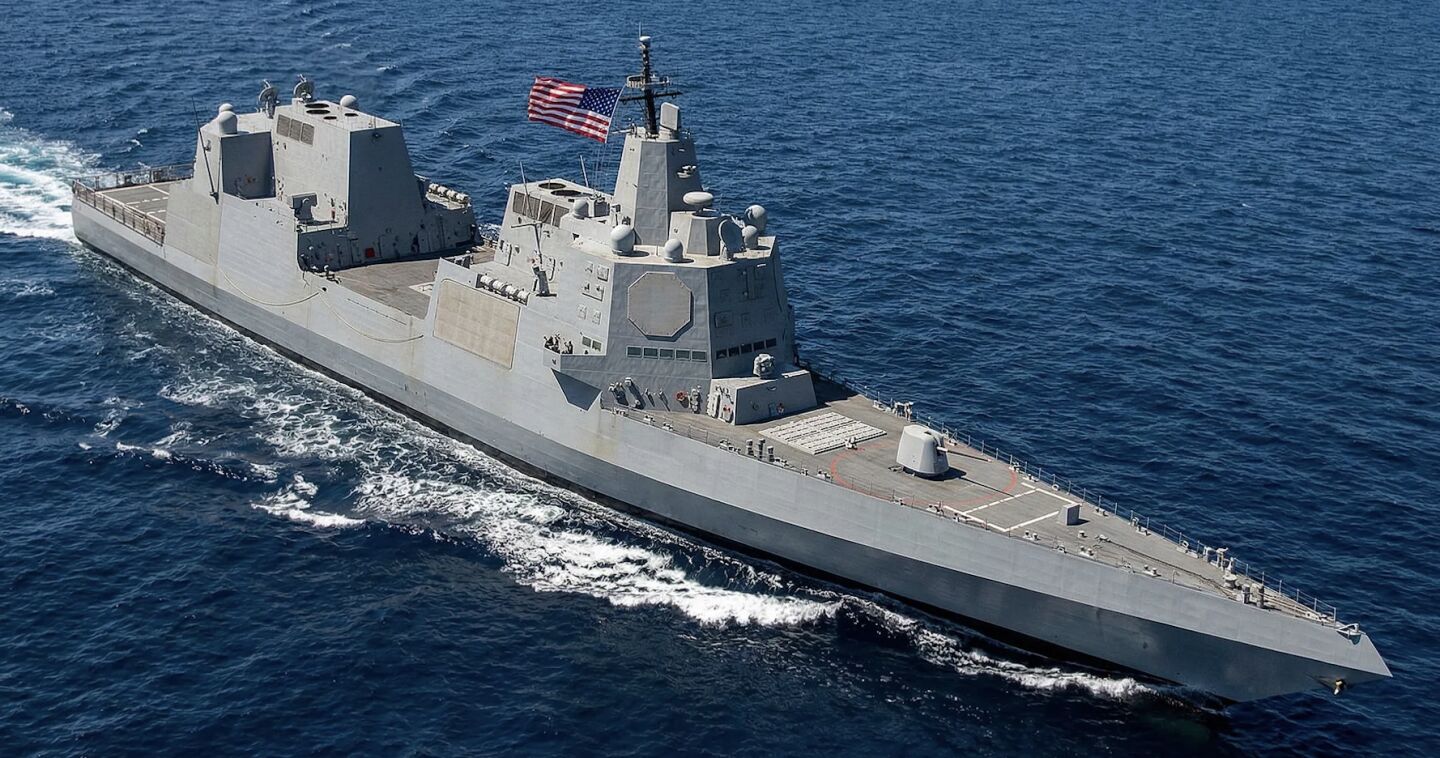
According to the Congressional Budget Office report, the new battleship is expected to integrate many of the Navy’s most advanced weapons and sensor systems. Planned equipment includes the AN/SPY-6 radar already fielded on Flight III Arleigh Burke destroyers, as well as the Conventional Prompt Strike hypersonic missile currently being integrated onto the Zumwalt class destroyers. The Navy also intends for the class to carry the future nuclear-armed Sea-Launched Cruise Missile, providing the platform with a strategic nuclear strike capability. Planned capabilities also include high-energy laser weapons, electromagnetic railguns, and a layered defensive system comprising naval guns, short-range missiles, decoys, and electro-optical countermeasures designed to defeat drones and other emerging aerial threats.
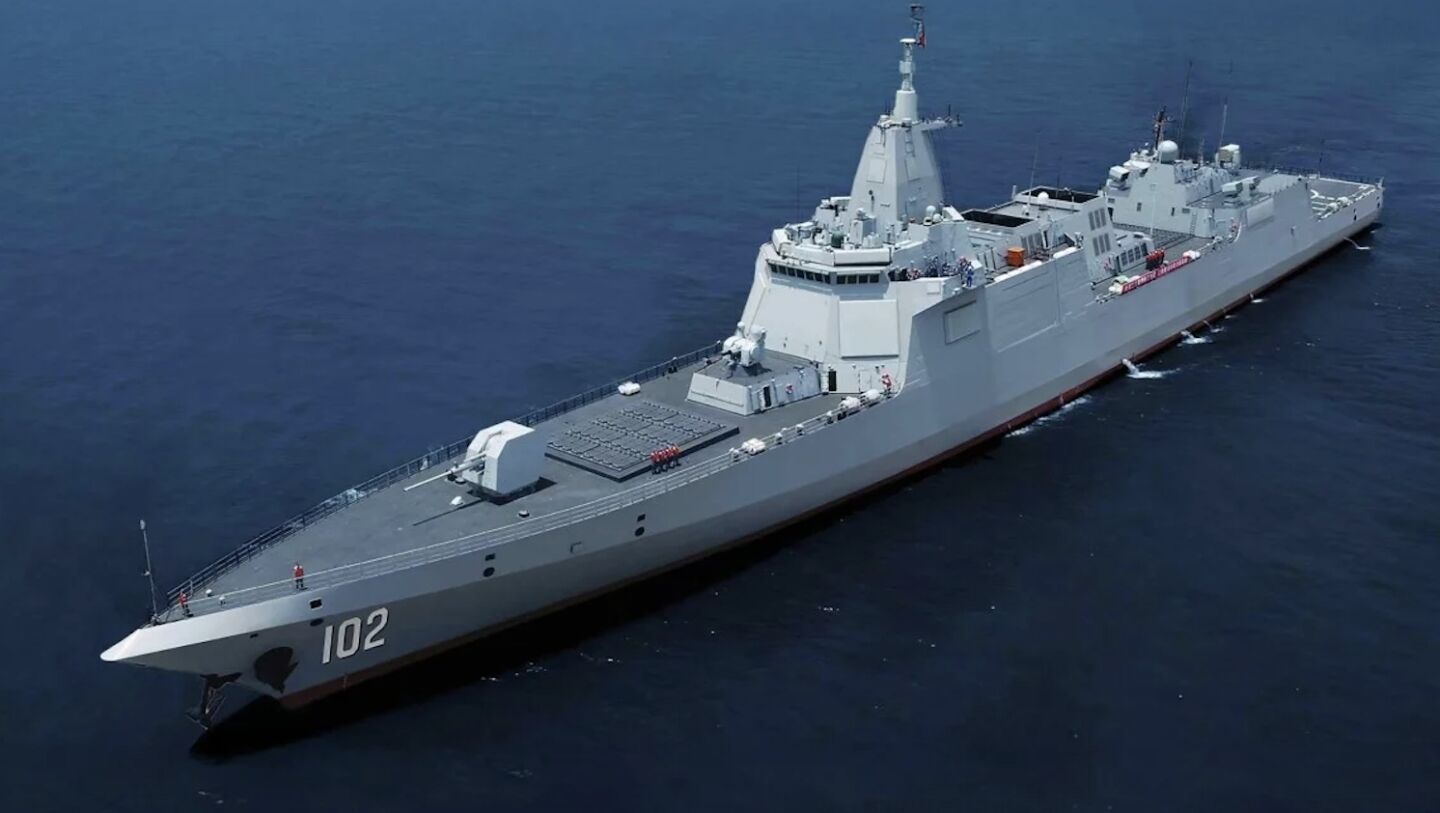
In May U.S. Chief of Naval Operations Admiral Daryl Caldell in May argued that it was vital to transition the fleet to operating BBG(X) class ships powered by nuclear reactors. Noting that this could have proven invaluable when engaging Iranian forces, he observed: “Imagine what that would have looked like in the Arabian Gulf if I’d had a nuclear-powered battleship there to give the air and defence and fires [sic] power that it could sustain – rotate ships that roll, that need gasoline around it… So the imperative for this is crucial to develop that level of payload capacity.” Hostilities with Iran from February 28 appear to have been a primary factor shifting the consensus in the Navy regarding the need for nuclear propulsion systems on the BBG(X), as the U.S. Navy has suffered from a serious strain on its logistics despite enjoying relatively secure supply chains.
