
World’s Largest, Fastest, Most Heavily Armed Cruiser Completes Sea Trials in Russia
Military Watch Magazine Editorial Staff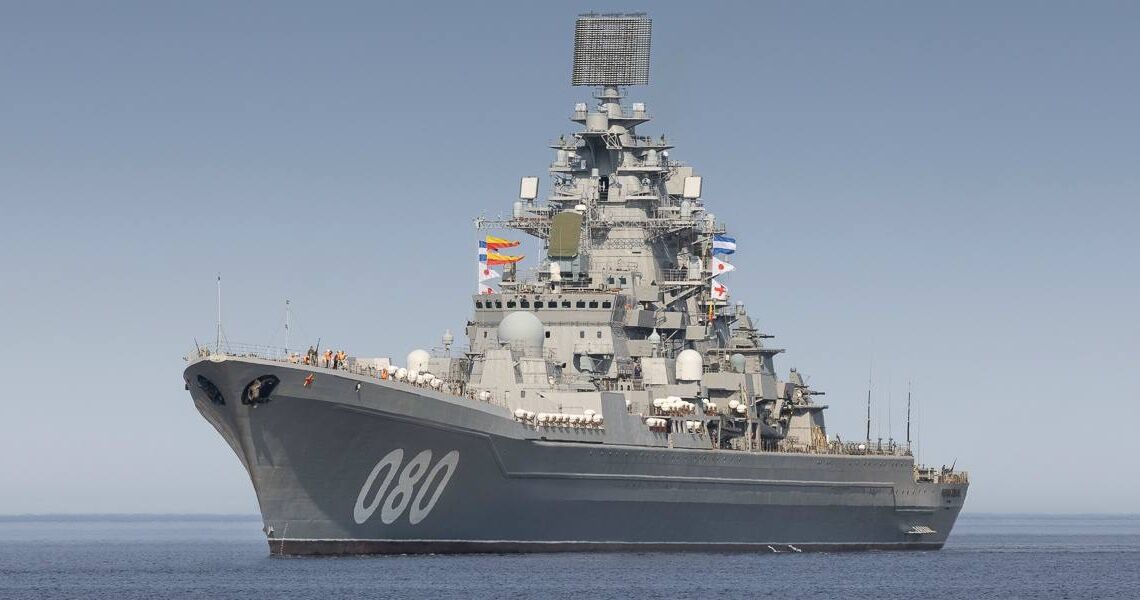
Kirov Class Cruiser Admiral Nakhimov
The Russian Navy’s nuclear-powered battlecruiser Admiral Nakhimov has completed sea trials, and is expected to be brought into active service in the coming weeks. This represents a major milestone for the Russian shipbuilding industry, the Northern Fleet, and the wider Navy, as the cruiser’s refurbishment and modernisation has represented by far the most ambitious program initiated for the post-Soviet surface fleet. The Admiral Nakhimov is 251 metres long and displaces approximately 28,000 tons at full load, making it by far the largest and most heavily armed surface combat ship in the world.
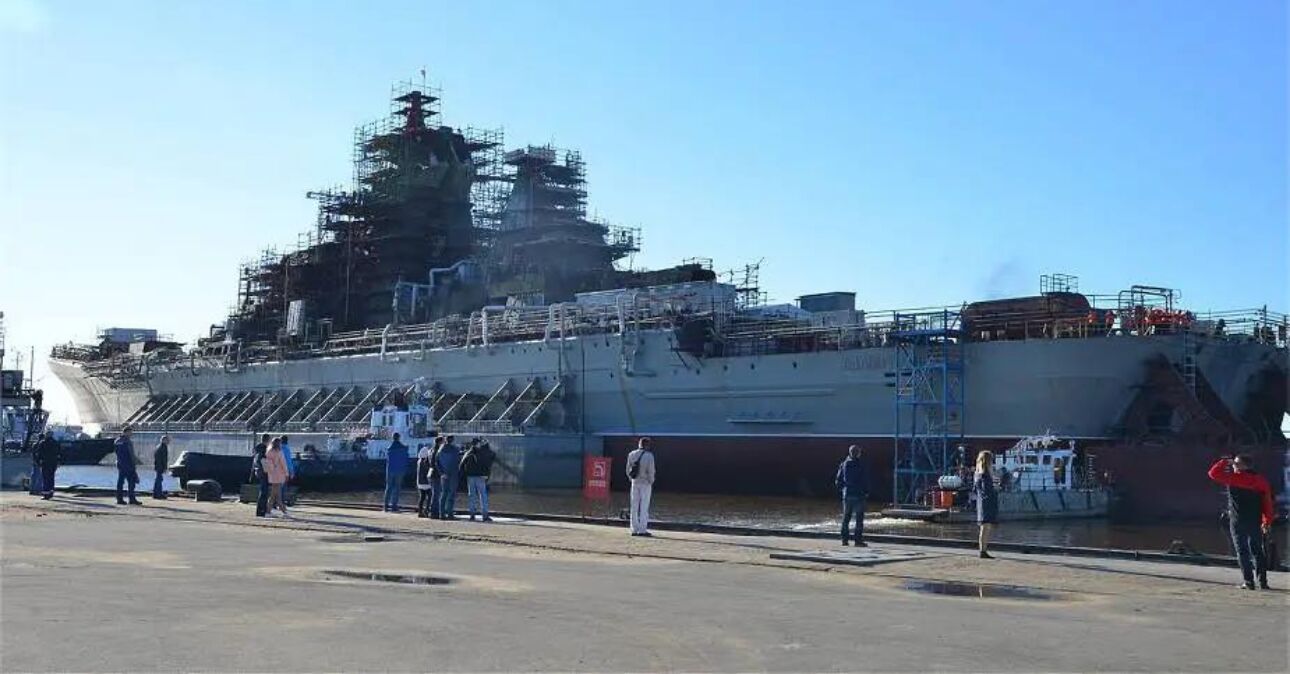
The Admiral Nakhimov was re-floated on July 25, 2025, and subsequent set sail under its own power for the first time in 28 years in August 2025. It began the final phase of its sea trials on June 1, and was then confirmed on July 21 to have returned to port Severodvinsk following another phase of sea trials. Commander-in-Chief of the Russian Navy Admiral Alexander Moiseyev in late July confirmed that the cruiser was undergoing the final stages of post-modernisation trials, with comprehensive testing being underway before formal acceptance into service. He added that it would enter service before the end of 2026.
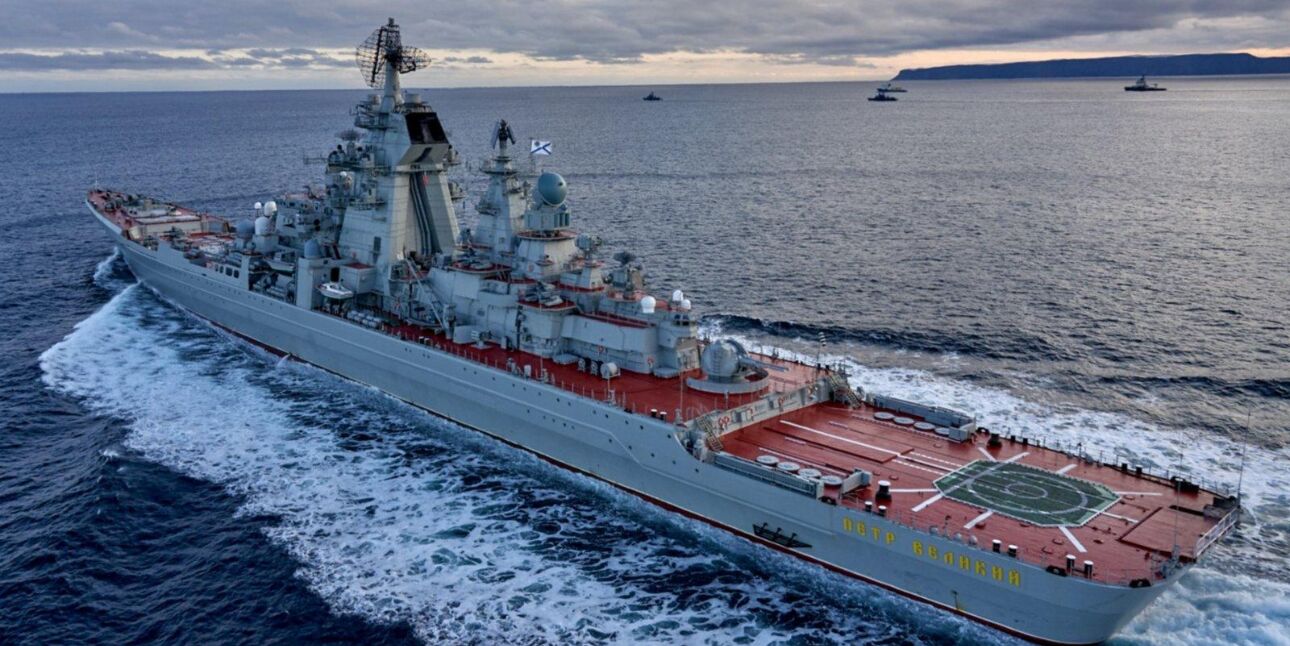
The Admiral Nakhimov represents a legacy from a time when Russia had a world leading industry for constructing advanced surface combat ships, with no remotely comparably capable vessels expected to be built in the country for at least several decades. Kirov class cruisers are not only large, but also highly complex and sophisticated, and were designed with outstanding living accommodations for crew comfort to allow for very long deployments at sea. Each each is powered by two KN-3 pressurised water nuclear reactors feeding steam turbines producing approximately 140,000 shaft horsepower, significantly reducing requirements for refuelling, while onboard facilities for up to three heavy lift helicopters allows for resupply by air.
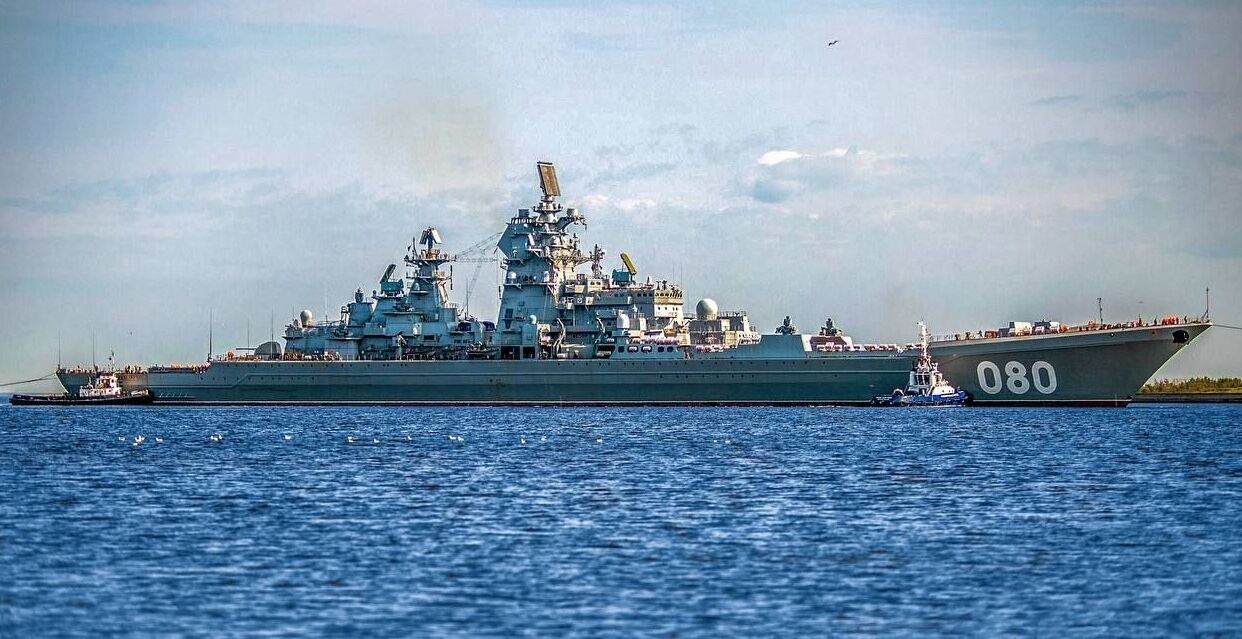
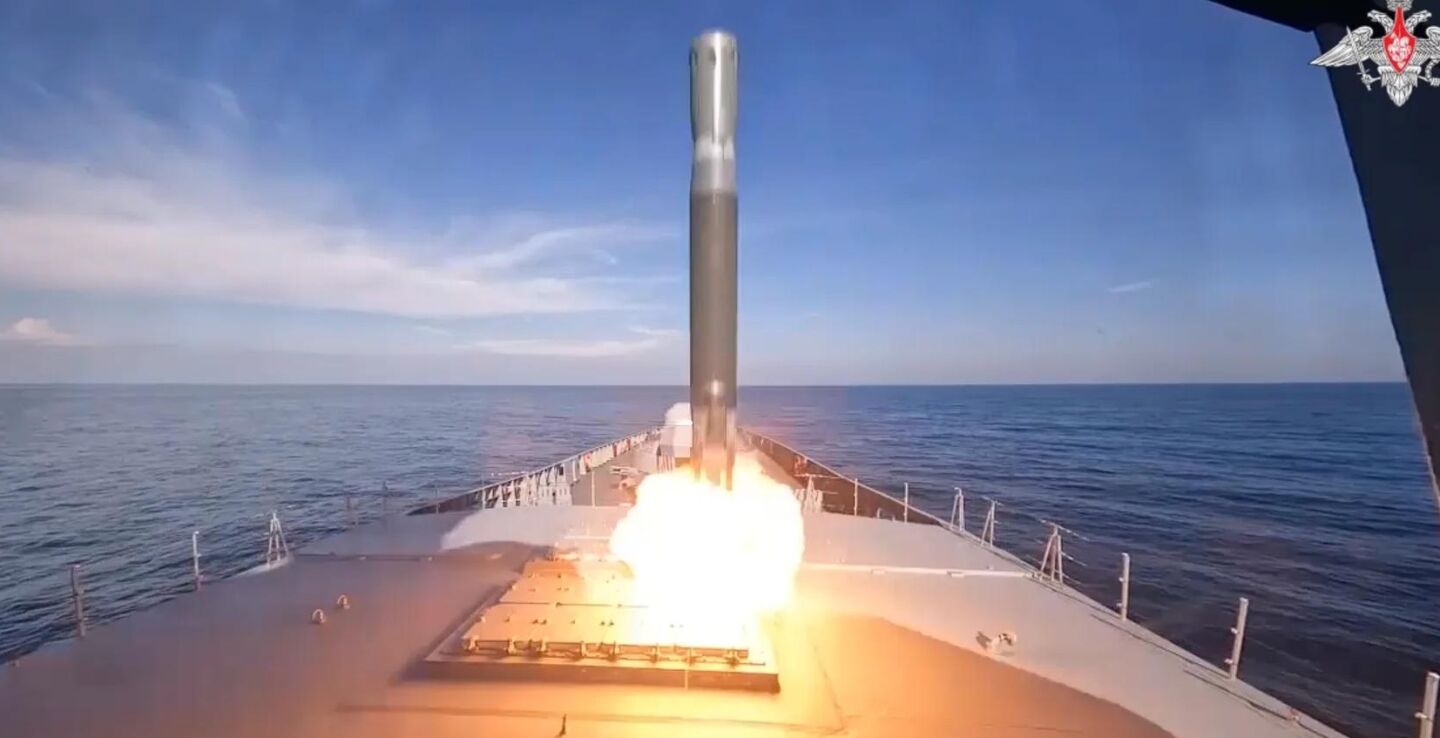
The Admiral Nakhimov’s ability to engage aircraft and missiles is particularly outstanding, with the ship having integrated three battalions’ worth of missiles from the S-400 system for a total of 96 long range surface-to-air missiles. It also integrates 80 cells for cruise missiles, including the new Zircon hypersonic missile which has no peer rivals in the Western world. The cruiser’s nuclear propulsion system also allow for outstanding speeds with top speeds of approximately 32 knots allowing it to comfortably outrun every commissioned cruiser, destroyer, frigate, amphibious assault ship and aircraft carrier operated by NATO navies.
The modernisation of Admiral Nakhimov has proven to be far more difficult than anticipated. Although contracts were signed in 2013, the refit expanded into what was effectively a complete reconstruction. Virtually every combat system, sensor, electronic suite, cable network, and much of the ship's internal machinery had to be replaced. Costs reportedly increased several times over, while completion slipped from an initial target around 2018 to sea trials in 2025–2026. The project consumed enormous financial and industrial resources for more than a decade, leading to the cancellation of plans to modernise the second Kirov class cruiser, the Pyotr Velikiy, to a similar standard.
