
Wings of Persia: Iran’s Seven Most Dangerous Aerial Warfare Assets From Stealth Drones to Air Defences
Military Watch Magazine Editorial Staff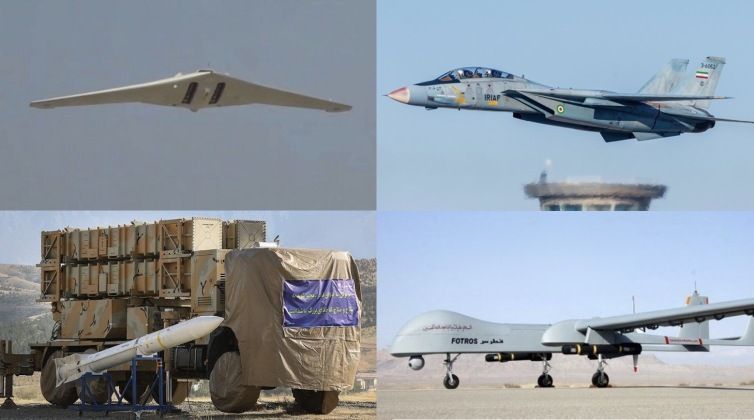
(clockwise from top left) Shahed 191 Stealth Drone, F-14, Fotros Drone, Khordad 15 Defence System
Once the leading Air Force in the Middle East, Iran has long faced considerable threats of enemy incursions into its airspace from the Soviet Union in the 1970s to the Iraqi Air Force the following decade and the United States and Israel ever since the end of the Cold War. Despite multiple setbacks, including a decades long U.S. arms embargo, Western pressure on post-Soviet Russia to deny Iran modern combat aircraft, and an often modest budget for modernisation of the air force, Iran has extensively enhanced its aerial warfare capabilities in recent years. To this end it has refurbished American and Soviet aircraft acquired during the Cold War and domestically developed a range of new air launched weapons, drones and ground based air defence systems. The country has also more recently benefitted from close cooperation with Russia, which has provided Iran with ground based radar and air defence systems and is speculated to emerge as a supplier of new high end combat aircraft in future. A look at Iran's seven most formidable aerial warfare systems is given below.
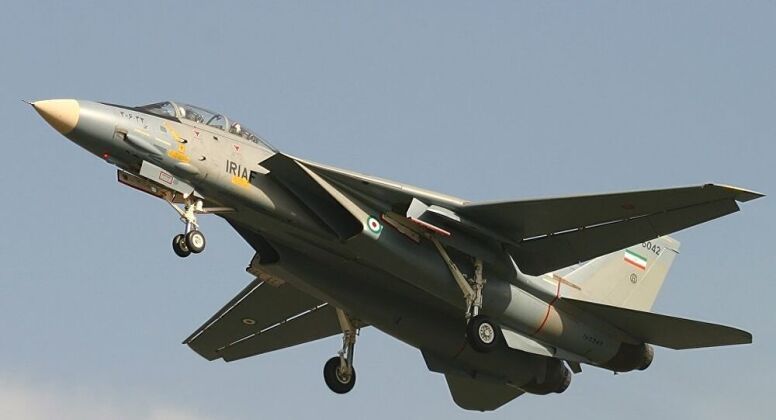
F-14A Heavyweight Fighter and Fakour 90 Hypersonic Missile
Iran received delivery of 79 F-14 Tomcat fourth generation fighters in the mid-late 1970s, which were by far the most expensive in the world for their time and were designed specifically to excel at very long ranged air to air engagements. The F-14 is today the heaviest fighter deployed by any regional power, and can accommodate a much larger radar and more powerful air to air missiles rival fighters such as the F-15 deployed by Israel, Saudi Arabia and Qatar or the F-18E of the U.S. Navy. While this sheer size and power comes at the price of a very high operational cost and high maintenance requirements, the fighters have proven extremely formidable in combat with more shootdowns of manned enemy aircraft than any other fourth generation jet - downing over 160 Iraqi fighters in the Iran-Iraq War for just three losses in air to air combat. This was achieved despite a severe shortage of spare parts and missiles.
Iran has heavily upgraded its F-14s with new electronic warfare systems, a new radar and of new air to air missiles. The F-14’s new Fakour 90 missile is derived from the American AIM-54, and has an estimated 300km range and a speed exceeding Mach 5 making it one of the most powerful air to air missiles in the world. While its very large size means the very large fighter can only carry six, the Fakour 90 is thought to have inherited the AIM-54’s combat proven high precision, and is a particularly serious threat for aircraft such as bombers and tankers which are highly vulnerable even when operating near the extreme limits of the missile’s range. The F-14 is Iran’s only fighter equipped with modern active radar guided air to air missiles, which places a heavy burden on the aircraft for air defence duties. It is speculated that Iran has received Chinese and North Korean assistance to upgrade the aircraft through technology transfers
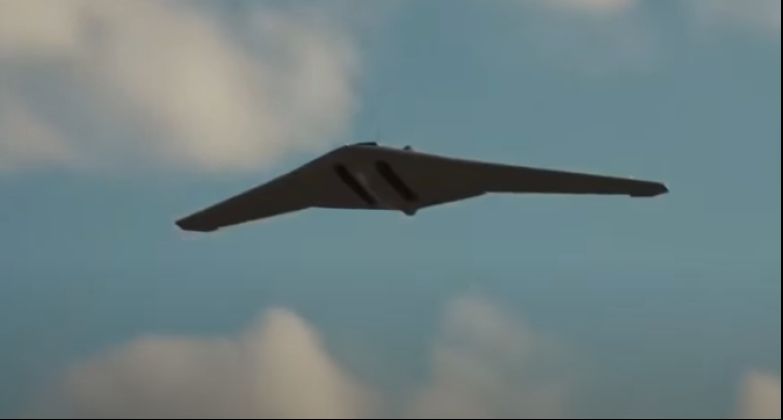
Saeqeh, Shahed 181 and Shahed 191 Stealth Drones
Following Iran’s commandeering of an advanced American RQ-170 stealth drone in 2011, which had been operating on a surveillance mission over the country’s airspace and was brought down using electronic warfare, the fully functioning aircraft was studied extensively and used to develop indigenous classes of combat and reconnaissance drone. There was considerable speculation that Iran shared the design with its defence partners, most notably China, and that it received considerable support in developing its indigenous stealth drones from the East Asian state. Although the possibility of an Iranian stealth drone fleet being deployed was widely dismissed in the West, the aircraft were deployed for operations beyond the country’s borders including for missions into the heavily defended airspace of Iran’s longstanding adversary Israel. Former head of Mossad Danny Yatom stated regarding one such incident in early 2018: “It was a sophisticated operation. The UAV was almost an exact replica of the U.S. drone that fell in their territory. If it had exploded somewhere in Israel, it may not have been possible to identify it as an Iranian manufactured drone.” The stealth drone evaded multiple attempts by Israel’s U.S. made Patriot air defence batteries to neutralise it from the ground, and the Israeli Defence Force was forced to rely on an attack helicopter to bring down the UAV from the air. Aside from ballistic missiles, stealth drones may well be Iran’s most capable asset. Multiple new designs such as the Shahed 191 have been unveiled since 2018, and Iran is the only country other than China and the United States to have developed such aircraft.
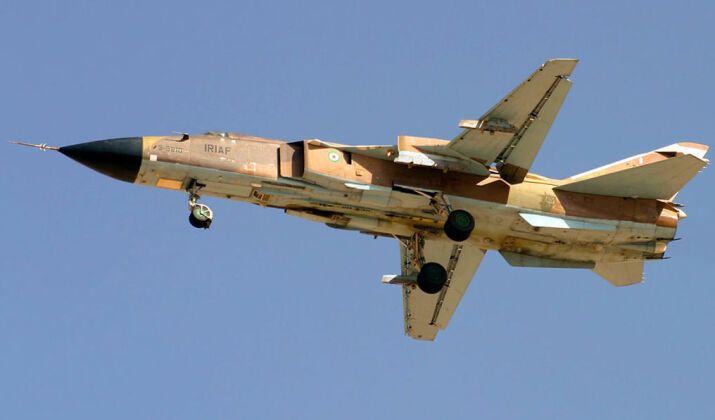
Su-24M Strike Fighter
Purchased from the Soviet Union in the late 1980s, and supplemented by further aircraft from the Iraqi Air Force which took shelter in Iran during Operation Dessert Storm in 1991, the Su-24M is Iran’s prime stoke fighter and has sufficient range to engage targets across the Middle East. A single squadron estimated at 29 fighters strong is currently in service, and serve as a more modern and heavier counterpart to a second strike squadron comprised of Su-22M4/UM aircraft. Although Iran relies primarily on ground launched ballistic missiles to strike enemy targets, including for both strategic attacks on population centres and tactical strikes on targets such as airfields, having a capable strike fleet diversifies its offensive options and strengthens its deterrence capabilities. The aircraft are very heavy at around 39,000kg with a standard load out, and have a high endurance which allows them to carry large payloads over long ranges to strike targets anywhere in the Middle East and across much of Europe. It remains uncertain which classes of standoff weapon the strike fighters are equipped with, but they are thought to be able to strike targets over 500km away - making them somewhat survivable even without a fighter escort.
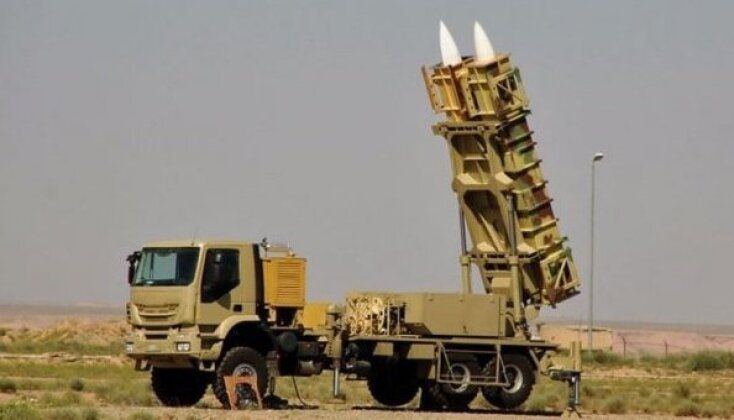
Khordad 15 and Bavar-373 Long Range Air Defence Systems
Iran commissioned the indigenously developed Bavar-373 long range air defence system into service in August 2016, with development of such a weapons system thought to have been initiated due to Russia’s unwillingness to provide the country with S-300 systems under the Dimitri Medvedev administration at the beginning of the decade. Iranian Defence Minister Ahmad Vahidi referred to the platform as "a long range air defense missile system similar to S-300" to provide the country with some degree of self sufficiency following Russia's cancellation of the S-300 delivery. The missile system was designed to be compatible with and work alongside other Soviet built systems such as the S-200, which Iran acquired in the 1990s in considerable numbers. The Bavar-373 was followed in its entry into service by the another indigenous Iranian long range air defence system, the Khordad 15, which was unveiled in June 2019 - seven years after the Bavar system was unveiled. Although it lacks the cold launch system of more advanced air defence systems such as the North Korean Pyongae 5 or Russian S-300, the Khordad 15 has a formidable range estimated at 200km, and its reportedly by Iranian sources to be capable of engaging stealth targets. With Iranian air defences already having proven capable in combat with a shorter ranged 3rd of Khordad system downing a high end American Global Hawk drone in mid 2019, the Khordad 15 represents a potentially major impediment to enemy operations in Iranian airspace.
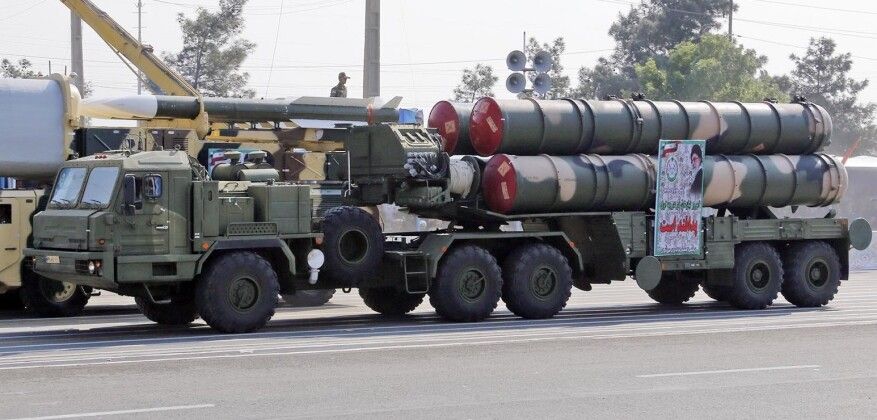
S-300PMU-2 Long Range Air Defence System
Completing deliveries in 2017, the S-300 is Iran’s most capable long range surface to air missile system and represents a customised variant closely based on the S-3000PMU-2 design. All elements of the system are highly mobile making it very difficult to seek and destroy for enemy aircraft, and each is capable of guiding up to 64 surface to air missiles against up to 32 targets simultaneously. The system first entered service in the Russian military in 1997, but despite its age it is still Iran’s most capable air defence system and one of the most advanced in the Middle East. The S-300 has an engagement range of up to 250km and very high Mach 14 engagement speed if equipped with 48N6DM/48N6E3 missiles - allowing it to intercept many kinds of hypersonic targets and to threaten enemy support aircraft at very long distances. It is uncertain whether Iranian S-300s are equipped with these missiles or whether they may have been later delivered by Russia as part of a followup order. Without these missiles, the S-300PMU-2 deploys the 48N6E2 as its longest ranged missile with a still respectable 200km range but slower Mach 8 speed. S-300s were originally equipped with the older missiles in the 1990s before the more capable 48N6DM/48N6E3 was developed.
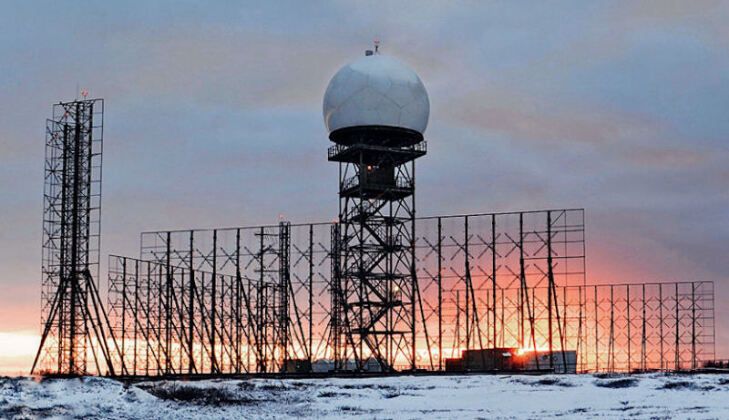
Rezonans-NE Air Defence Radar
The Russian Rezonans-NE radar had been on round-the-clock combat duty in Iran for many years, with sales of such defensive weaponry not restricted by the UN arms embargo which had been in effect until October 2019, meaning its sale to Iran was legal. The air defence system has succeeded not only in detecting but also in tracking F-35 stealth fighters operating near Iranian airspace, providing a valuable boost to its armed forces’ situational awareness. Deputy CEO of Russia’s Rezonans research centre, Alexander Stuchilin, stated to this effect on August 24th: "At the beginning of 2020 this radar identified US F-35 planes and tracked them… The radar’s personnel were transmitting information, including the routes of F-35 flights, in clear, thus confirming that it was reliably tracking the planes. For this reason, the opponent did not commit any irreparable actions that might have caused a big war.” With deployments of Western stealth aircraft within range of Iran expected to continue to increase throughout the 2030s, the value of this radar system will only continue to grow.
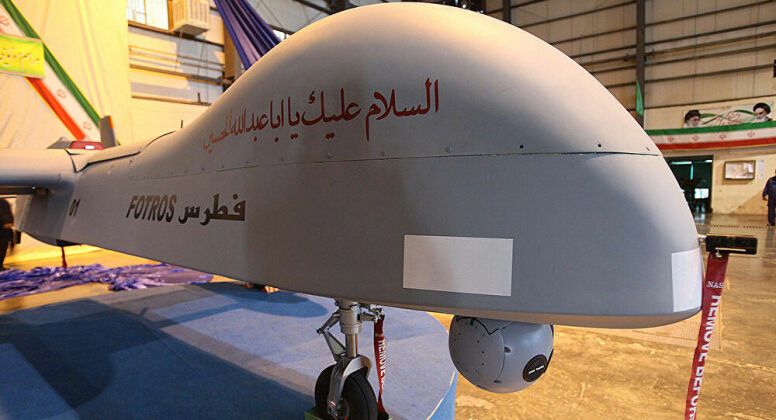
Fotros Drone
Deployed by Iran’s Islamic Revolutionary Guard Corps, the Iran Aviation Industries Organization ‘Fotros’ drone was first unveiled in late 2013 and was designed with a long 2,000 km range to facilitate power projection operations beyond the country’s border. This has potentially significant applications for support of Iranian and Iranian-aligned ground units which operate across much of the region. The Fotros can carry out both reconnaissance and combat operations and can be armed with a range of precision guided air to surface and anti tank missiles. The drones reportedly have a very high endurance of up to 30 hours even when carrying a full load of armaments. Iran has considerable experience operating drones in combat, most notably in the Syrian and Iraqi theatres against a range of Islamist militant groups, and this experience is likely to have heavily influenced the Fotros’ design. Where lighter drones were forward deployed to airfields outside Iran, the Fotros’ high endurance allows it to provide a very different kind of support and to loiter near battlefields for a day or more at a time before having to return to base.
