
Unstoppable Tomcats: Retired Iranian Major Elaborates on F-14’s Advanced Capabilities
Military Watch Magazine Editorial Staff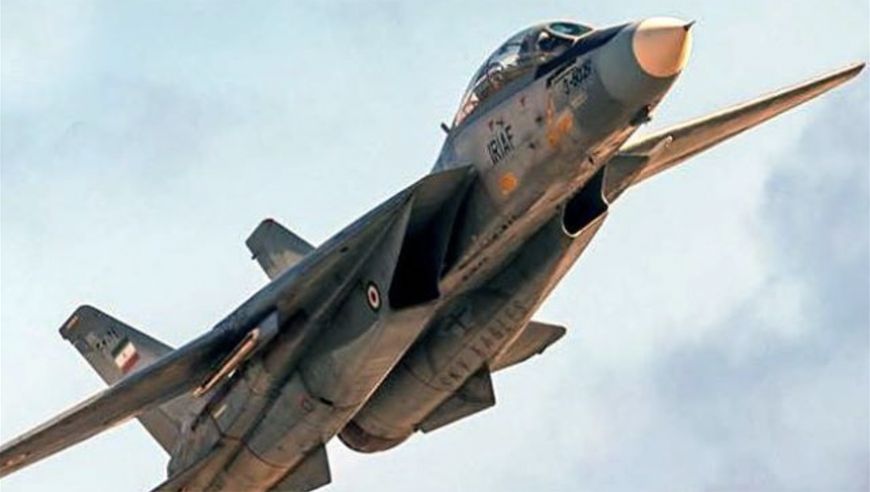
Iranian Air Force F-14 Tomcat Heavyweight Fighter
The Iranian Air Force is the only service to have ever operated the American F-14 Tomcat heavyweight air superiority fighter other than the U.S. Navy itself, acquiring 79 of the jets in the 1970s to provide an effective air defence against the Soviet Union’s high flying and extremely survivable MiG-25 Foxbat interceptors. The F-14 its the heaviest Western fighter ever made available for export, and was selected over the lighter and much cheaper F-15 which was used by the U.S. Air Force and sold to Saudi Arabia and Israel. The F-14 is highly prized for its powerful sensor suite and access to extremely long ranged munitions - with the AIM-54 Phoenix sold to Iran still holding the record for the longest ranged American air to air missile ever to enter service. Iranian F-14s were credited with more kills against Iraqi fighters than all other Iranian assets combined, and against Iraq’s most capable tactical combat jet the MiG-25 Foxbat were the only Iranian aircraft to ever gain a beyond visual range kill - although also taking one loss to the large MiGs in air to air combat. The Tomcat was the first fourth generation fighter to enter service anywhere in the world, and is currently the only one in Iranian service with a modern air to air capability.
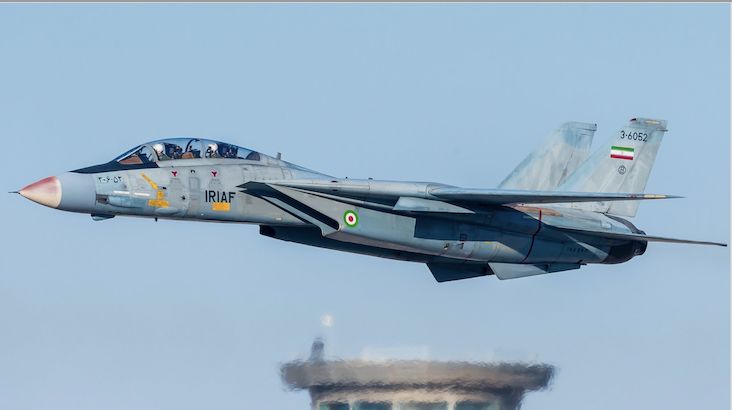
While Iran is expected to make purchases of advanced Russian or Chinese fighters from October 2020, when a UN arms embargo on the country will expire, the F-14 is expected to remain in service alongside the newer aircraft. The size of the Iranian F-14 fleet has gradually expanded in recent years as new technologies, namely 3D printing, have allowed Iran to more easily manufacture parts for the aircraft domestically bringing more of them out of storage and into service. Providing some firsthand insight into the capabilities of Iran’s F-14s at both standoff and visual ranges, former pilot Major Farhad stated in an interview:
“F-14s equipped with the AWG-9 pulse Doppler radar, the Iranian pilots could hit an enemy aircraft from 100 miles away, but the pilots also appreciated the airplane’s fighting abilities close in… The capability of the F-14A to snap around during the dogfight was unequalled… After only 100 hours of training, I learned to pitch the nose of my Tomcat up at a 75-degree [angle of attack] in just over a second, turn around, and acquire the opponent either with Sidewinders or the gun.”
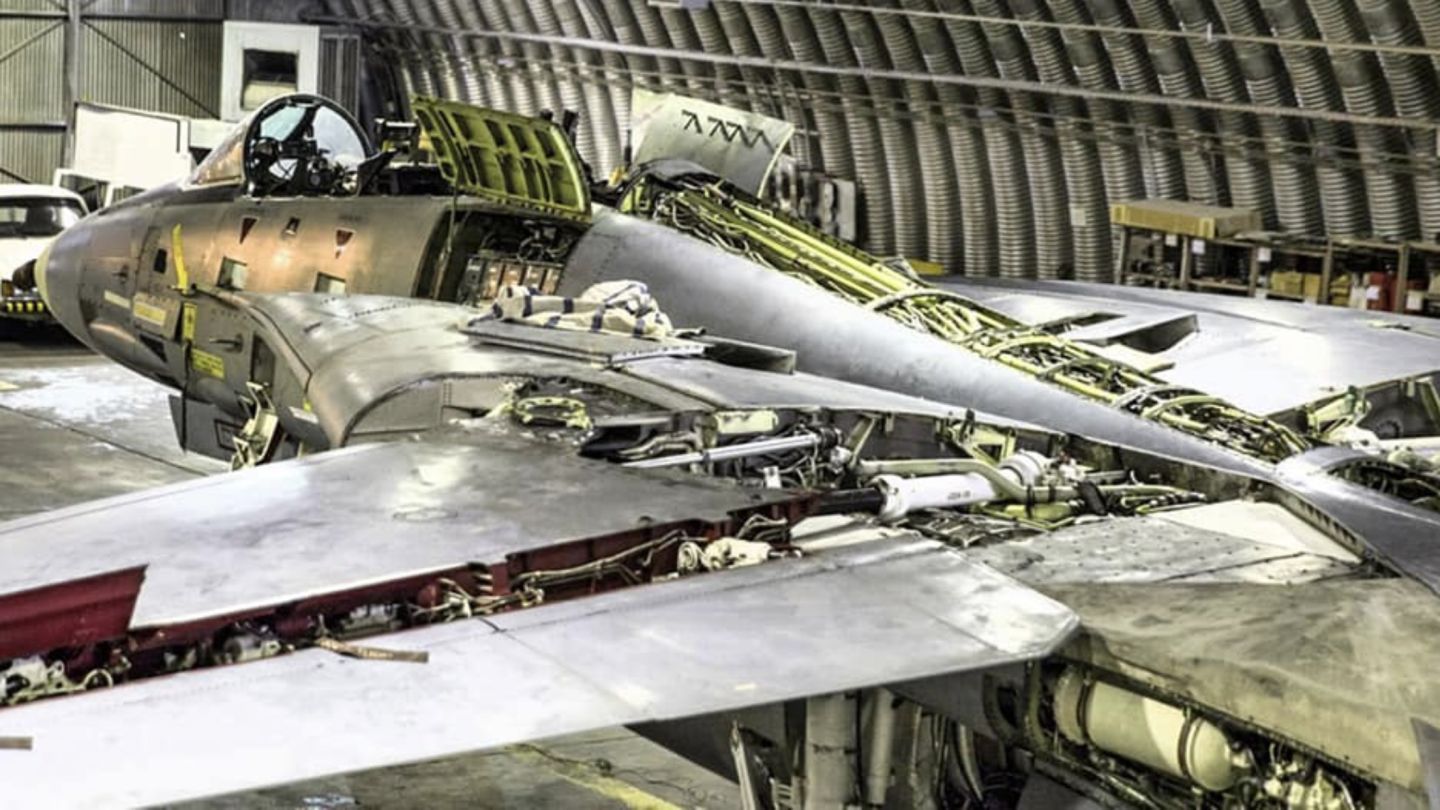
The F-14A marketed to Iran is notably the least capable variant of the fighter, with the most capable variant the F-14D entering service in 1991 and widely considered the most capable aircraft of the Cold War in its air to air combat capabilities. The F-14D is more capable than the vast majority of Western fighters in service today, but was retired in 2006 due to its extremely high operational costs and maintenance requirements and its limited use in an air to ground role and for operations in the War on Terror. Retiring the platform has seriously compromised the ability of American carrier groups to control surrounding airspace, however. With American Tomcats retired Iran is the F-14’s only operator, and is able to circumvent the issue of high maintenance requirements due to its much lower labour costs and the low cost of manufacturing spare parts domestically. Although they are not thought to be as capable as the F-14D, Iran has heavily upgraded its F-14A to keep them viable - integrating new electronic warfare systems and sensors onto the aircraft with a reportedly revolutionary effect. The AIM-54 missile has also been replaced with the indigenous Fakour 90, which has a considerably longer range reportedly of around 300km and benefits from improved sensors and electronic warfare countermeasures. The new missile is heavily based on land closely resembles the AIM-54.
