
Iran’s Raad (3rd Khordad) Long Range Missile System Responsible For Downing $220 Million American Drone - Implications of the Successful Combat Test
Military Watch Magazine Editorial Staff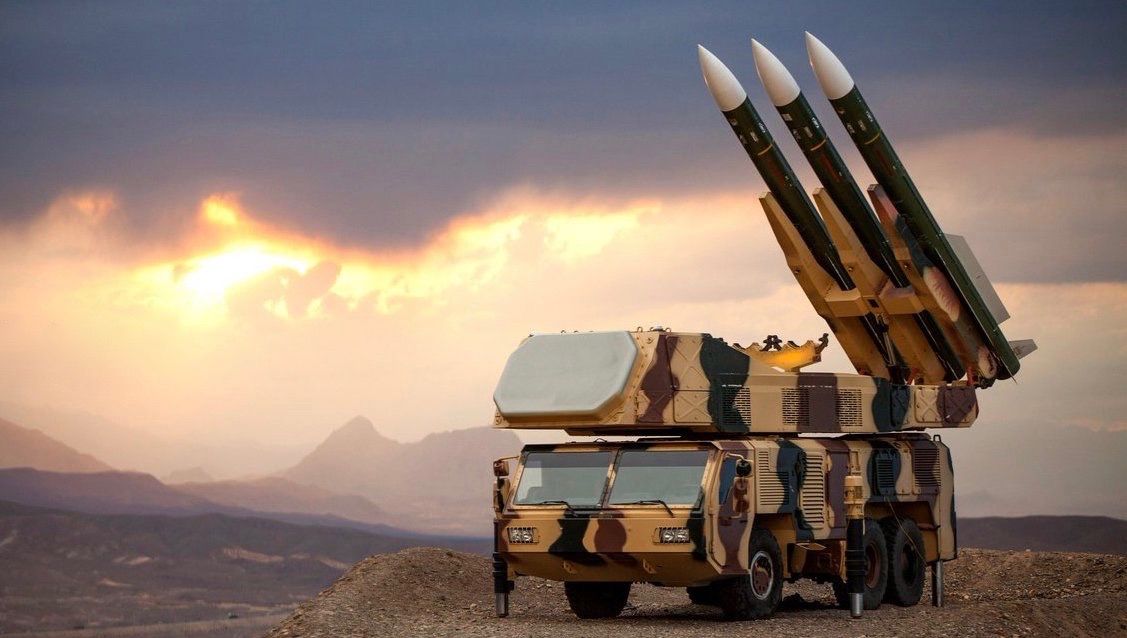
Raad (3rd Khordad) Air Defence System - artwork
Iran’s Revolutionary Guard Corps reportedly made use of the 3rd Khordad surface to air missile system to shoot down a Northrop Grumman RQ-4A Global Hawk surveillance drone operated by the U.S. Air Force - according to recent reports. The Global Hawk is one of the most expensive military aircraft in the American inventory at over $220 million each, and is designed to retain a high degree of survivability. The drone was operating in ‘full stealth mode’ according to Iranian reports, and had turned off its identification equipment to survey Iranian territory undetected. Iran claimed that the drone entered its airspace, while U.S. reports indicate that the drone only flew near but did not enter Iranian territory. The downing represents a significant achievement for Iran’s indigenous missile systems, the capabilities of which were previously widely questioned, and represents one of the few times a modern air defence system has had the opportunity to demonstrate its capabilities in a combat test.
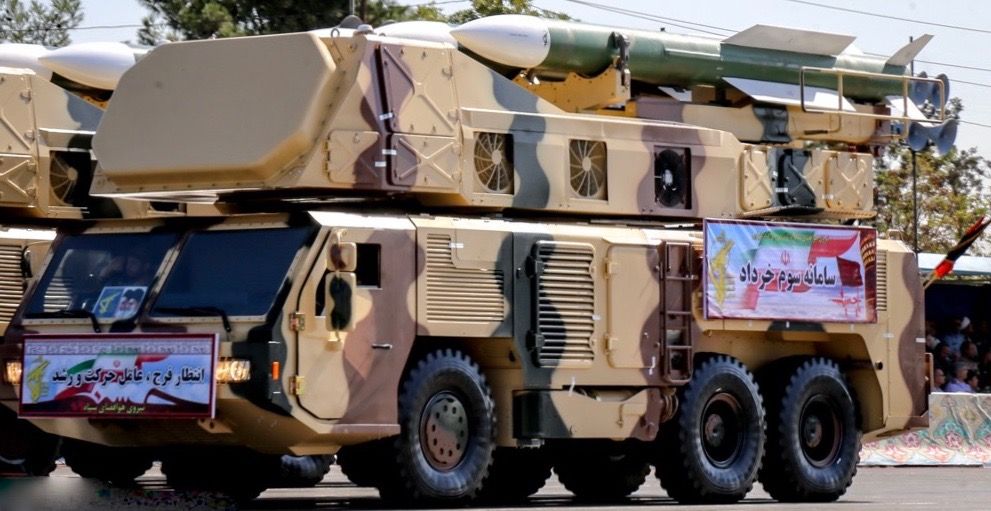
The 3rd Khordad is a specialised variant of the Iranian Raad medium range air defence system which entered service in the mid 2010s, and deploys Taer-2B missiles from mobile transporter erector launchers. The missile systems have been mass produced and are heavily relied on today by the country’s air defence forces - complementing longer ranged platforms acquired from Russia including the S-200 and the S-300PMU-2. The 3rd Khordad is the longest ranged variant of the Raad system, and reportedly retains an engagement range of up to 200km. The platform can engage up to four targets with up to eight missiles simultaneously, and makes use of a powerful phased array radar. The successful testing of the missile system against a high end American drone is likely to have significant consequences for the balance of power in the Middle East - with Iran’s adversaries likely to be more wary about the risks of engaging the country’s indigenous defence systems. Iran itself may well speed up development of new long range missile platforms domestically - and the incident may also affect the military's decision making regarding the need to import more sophisticated foreign weapons systems such as the Russian S-400 which is reportedly currently under consideration.
