
Why the F-35 is a Better Choice for Canada’s Air Force than Europe’s GCAP Fighter
Military Watch Magazine Editorial Staff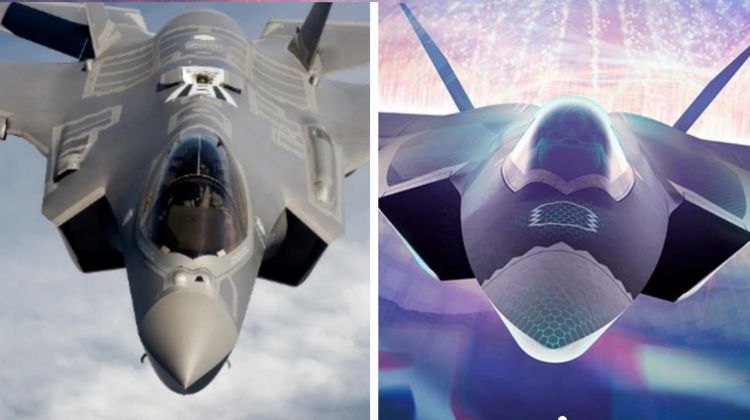
F-35 (left) and GCAP Fighter Artwork
Following confirmation in late April that the Canadian Defence Ministry has continued to extend its review of plans to procure 88 F-35A fighters from the United States, there have been multiple indications that a fighter developed under the joint British, Japanese and Italian Global Combat Air Programme (GCAP) is a leading candidate to modernise the Canadian combat fleet. Partners in the GCAP were confirmed in April to be coordinating plans for Canada’s inclusion, with the program intended to deliver a fighter ready for active service by 2035. While political tensions with the United States have been a primary factor leading Canada to consider alternatives to the F-35, an assessment of the two programs provides significant indications that investment in the F-35 would provide a significantly greater combat capability at a much lower cost.
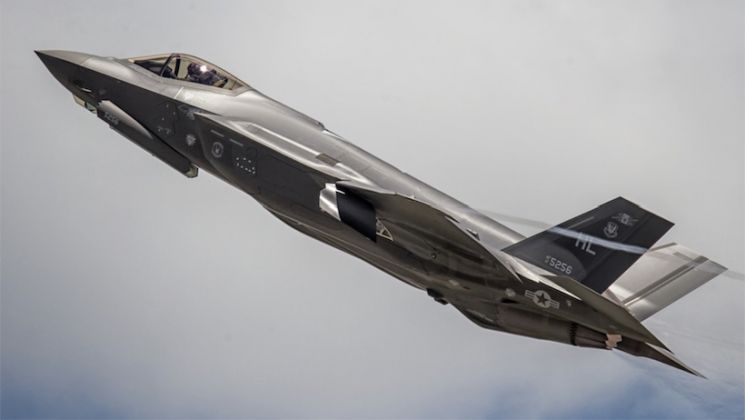
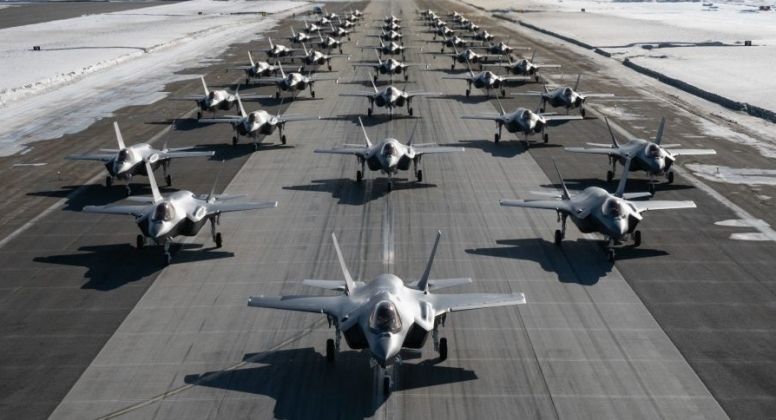
The Canadian Defence Ministry had already paid for its first 16 F-35A fighters, and in February 2024 initiated payments for long-lead items associated with the procurement of 14 additional F-35s, which makes it highly unlikely that less than 30 of the aircraft will be procured. Diversifying a fleet of just 88 fighters to field to different types of fighter, in particular types with little commonality and which are both relatively heavy, high cost high maintenance designs, would pose significant logistical challenges. This while there have been strong arguments made for fielding a mixed fleet of F-35s and lower maintenance fighter types such as the Gripen E/F or KF-21, a mixed fleet of F-35s and GCAP fighters would likely pose excessively challenging to justify.
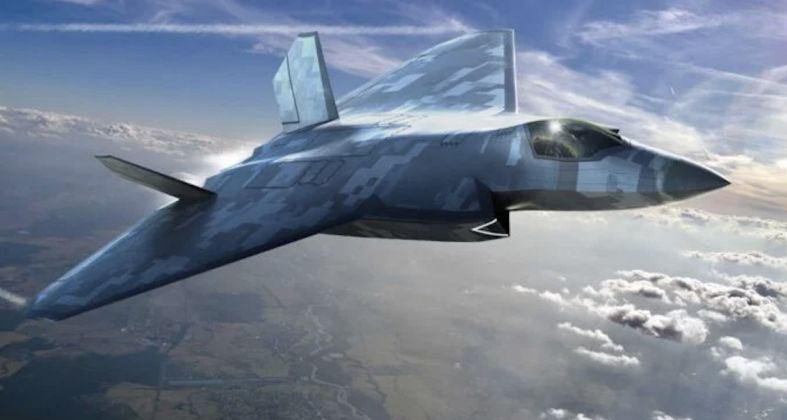
Focusing procurement funding on the F-35 will provide greater commonality not only within the Canadian fleet, but also with the U.S. Air Force’s own fleet operating under NORAD, with U.S. F-35s having been heavily concentrated in Alaska and frequently operating alongside Canadian air units. A further major factor in the F-35’s favour is that the program is already at a mature stage, meaning further unexpected delays or performance issues are unlikely to surface. The aircraft has been developed by one of the world’s two leading defence sectors and global leaders in key research and development areas, where the GCAP, by contrast, is being developed by countries that produced fourth generation fighters that were in many respects highly questionable, and are over 35 years behind the United States in moving to develop post-fourth generation designs. The U.S. has been flying fifth generation fighter prototypes since 1990, while the GCAP’s developer countries have yet to fly any indigenous post-fourth generation fighters.
Considering the vast technological discrepancies between the United States and the three GCAP partners, it is highly likely that the F-35 will provide a significantly superior combat capability, while being less costly and easier to maintain. The much larger scale of the F-35 program has ensured that there is vastly greater funding for continued research and development to modernise the aircraft, with investment in enhancements expected to increase considerably due to anticipated delays bringing the F-47 sixth generation fighter into service. The F-35 is expected to be compatible with a wide range of sixth generation technologies, providing a ‘5+ generation’ capability, while the GCAP’s ability to produce an aircraft competitive with even a basic Block 4 standard F-35 remains in question.
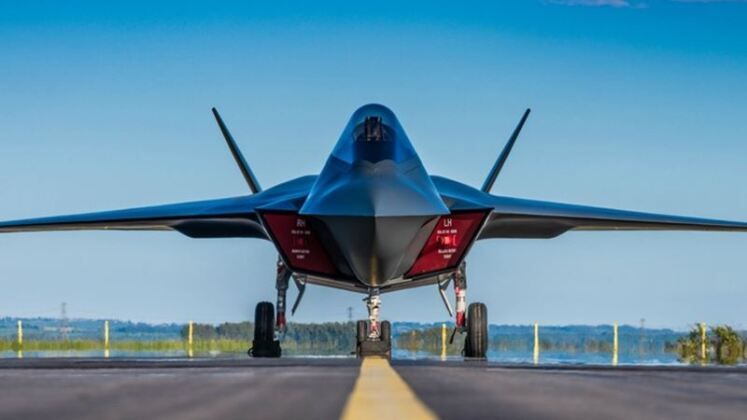
European defence industries’ long histories of major delays and design issues means it is likely that the GCAP program will be unable to deliver fighters to Canada until the mid-2040s. By this time not only will more advanced Chinese sixth generation fighters have been operating for over a decade, but the F-35 will likely long since have been brought to an advanced ‘5+ generation’ standard with a superior combat potential to the new European jet. Thus for the Royal Canadian Air Force, procuring the GCAP fighter will result in higher costs, greater risks, longer development timelines, less options for modernisation, less commonality within the fleet and with the U.S. Air Force, and likely an overall more limited combat capability. The record of Europe’s fighter aviation industry, as seen clearly in the serious shortcomings of the Tornado and Eurofighter relative to their U.S. contemporaries, creates strong incentives to invest heavily in the F-35, and if forced to seek alternatives, avoiding the GCAP and its more problematic French-led rival the FCAS in particular.
