
China’s Growing Quantum Dominance Forces U.S. to Adapt F-35 Software
Military Watch Magazine Editorial Staff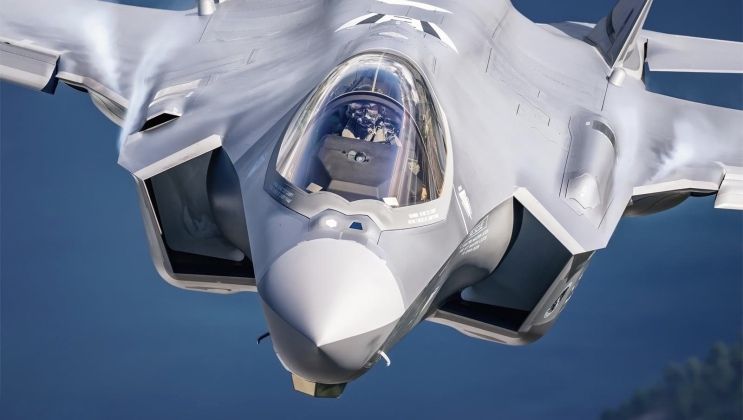
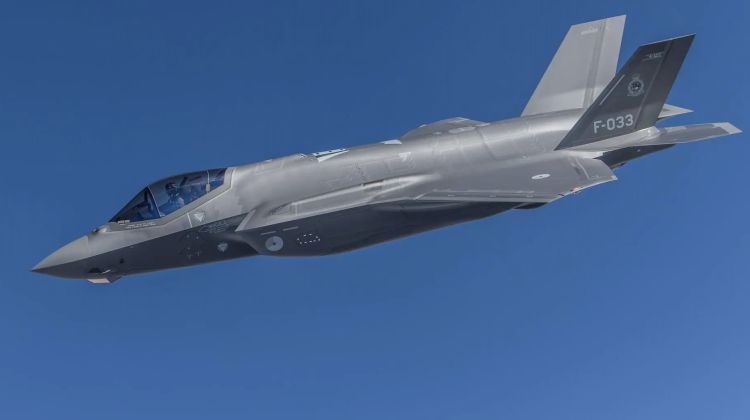
U.S. Air Force F-35A
The F-35 Joint Program Office is preparing to modify the fifth generation fighter’s In-Line File Encryption Device software to support quantum-resistant algorithms, responding to the security challenges posed by China’s considerable and growing lead in quantum computing capabilities. The hardening of the aircraft’s core cryptographic systems against quantum-powered cyberattacks is expected to be critical to its ability to operate, particularly in Pacific war contingencies. Quantum computing has considerable implications not only for cyber warfare, but also for the design process of key defence products, data processing, and the facilitating of faster and more effective use of artificial intelligence in a wide range of roles.
The development of quantum computers has been a prominent part of China’s national security strategy, with President Xi Jinping referring to it as ‘an advance-handed piece on the board’ – in reference to an advantage in the game GO which could be pivotal to gaining victory. A 2019 paper by the School of Advanced Military Studies U.S. Army Command and General Staff College observed regarding the sheer destructive potential cyber attacks using quantum computers could have: “The discussion about a large-scale quantum computer attack on a nation has grown to the same level as the nuclear deterrence discussion during the Cold War of 1945-1990. Because of the expected devastating effect of a large-scale quantum computer attack, there is a strong incentive amongst the countries that possess universal quantum computers to avoid conflict.”

The F-35’s In-Line File Encryption Device is the hardware and software component responsible for encrypting and protecting the signed code inside the fighter’s systems. Its modification to incorporate quantum-resistant algorithms will require significant changes to current cryptographic foundations. U.S. government agencies have been working for years through the National Institute of Standards and Technology to establish quantum-resistant cryptographic standards, with the F-35 being one of the very first military platforms for which they are reported to be being implemented. Quantum technologies are expected to have a wide range of implications for future fighter operations, with China having established the world’s first quantum communications system in 2016, gradually building it into the beginnings of a quantum internet, while the Western world lags considerably behind. Quantum radars, which are the most complex and challenging to develop of the emerging quantum technologies, have the potential to nullify the survivability advantages provided by stealth aircraft like the F-35.
