
Canada Coordinates to Join British-Japanese Stealth Fighter Program to Reduce Reliance on U.S. F-35s
Military Watch Magazine Editorial Staff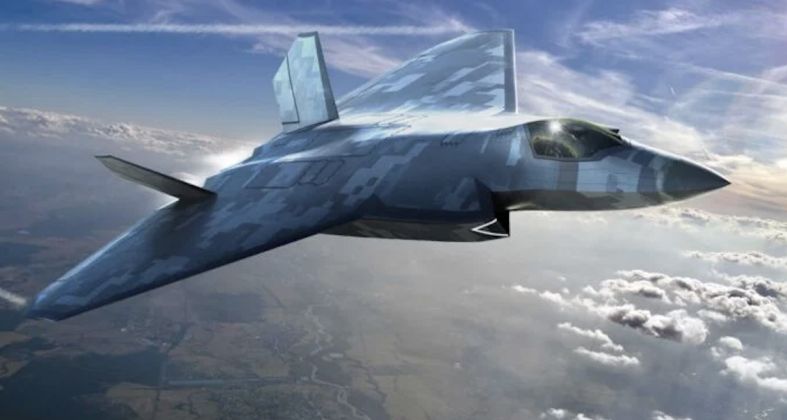
GCAP Fighter Artwork
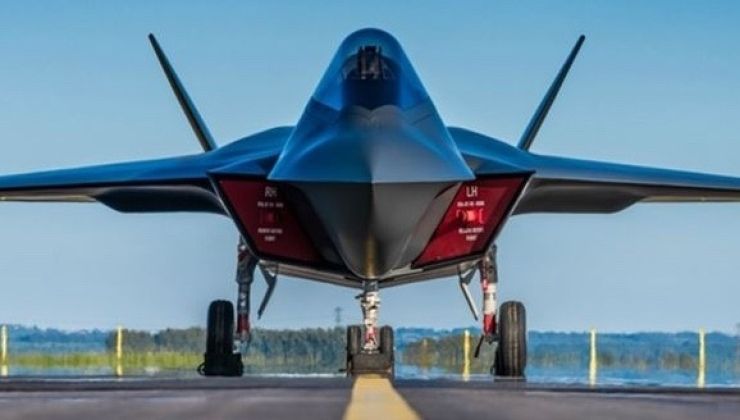
The United Kingdom, Japan and Italy are coordinating plans for the inclusion of Canada in the Global Combat Air Programme (GCAP), a next generation fighter program intended to deliver aircraft ready for active service by 2035. Canada has sought to join as an observer, which would allow the Canadian Defence Ministry to access selected classified program information without joining the development phase or sharing a similar burden of development costs. Japan has reportedly played a particularly central role in bringing Canada into the program, with the issue discussed during a March 6 meeting between the Japanese and Canadian defence ministers. Canada’s inclusion has the potential to significantly expand the program’s potential export base and long-term operational reach.
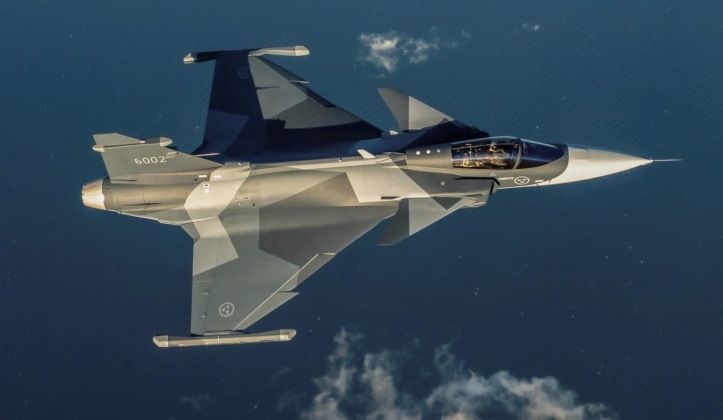
Canada’s interest in the GCAP program follows the initiation of a review of the country’s planned procurement of 88 F-35A fifth generation fighters in 2025 under Prime Minister Mark Carney, following trade and security tensions with the United States. Carney in January 2026 stressed that forceful U.S. threats to annex Greenland and Canada itself signalled end of the rules-based international order, indicting a willingness to protect Greenland against a possible U.S. invasion. Although the Swedish Gripen E/F ‘4+ generation’ lightweight fighter was considered as a potential alternative to complement the F-35, its capabilities are considered too limited, with the F-35 having been assessed to be overwhelmingly superior in its combat potential. This mirrors similar assessments that have been made across countries procuring the F-35, which has consistently been strongly favoured over European fighter types and over the U.S. F-18E/F.
Although the Global Combat Air Programme has been marketed as being intended to develop a sixth generation fighter, analysts have widely raised questions regarding the viability of this, with the limitations of the technological bases of the countries involved and the availability of funding making it highly unlikely that the fighter will perform on a remotely comparable level to U.S. and Chinese sixth generation fighter types. The program is expected to produce a fifth or ‘5+ generation’ fighter type, although whether it will be able to fly rival the performance of the F-35 Block 4 or newer variants of the Chinese J-20 remains in serious question. The program nevertheless has the potential to provide a NATO standard alternative to the F-35 within the fifth generation.
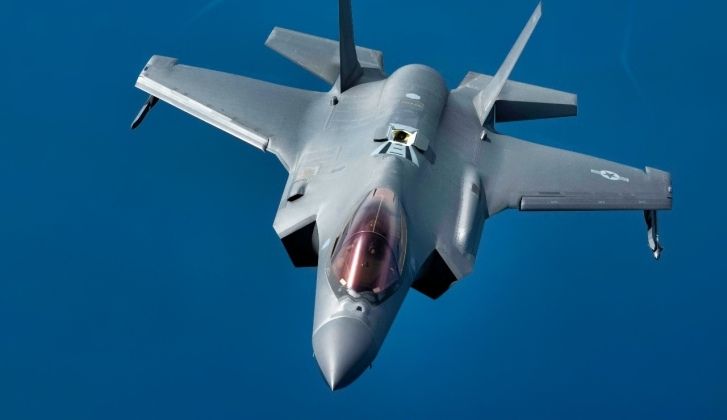
The F-35 was developed with a primary role of launching penetration missions into well defended hostile airspace, and is less well suited for air superiority or interceptor roles which it will be required to perform in Canadian service. Fielding the aircraft nevertheless has significant interoperability benefits with the U.S. Air Force, which has heavily concentrated its own F-35 fleet in Alaska. Commenting on the perceived need for the aircraft operational commander for the Canadian North American Aerospace Defense Command (NORAD) Region Major General Chris McKenna observed particularly noted that adversaries were also fielding fifth generation fighters which other NATO-capable fighter types would not be able to match. “I have a fifth-generation threat that I need to defeat. And so that’s the challenge right now. I need to be able to defeat the adversary, and I need to have overmatch,” McKenna observed, adding: “I will say, I need my pilots to have overmatch against high-end threats with their adversaries. And I think we can both agree that the threats are accruing by the day, it’s getting worse and worse by the day.”
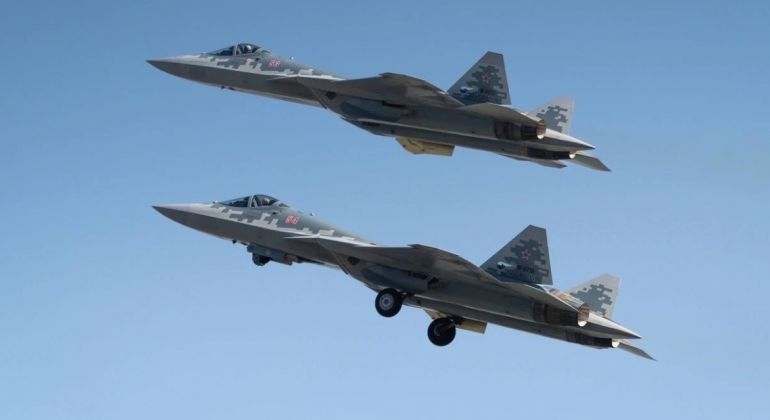
Canada’s interest in the GCAP program indicates possible plans to split fighter procurements between the F-35 and the new aircraft to reduce reliance on the United States, much has had previously reportedly been considered for the Gripen. This is unlikely to be the result of any shortcomings with the F-35’s performance, and may lead to an overall less capable combat fleet, with political factors being the primary driver of a perceived need to diversify procurements. As the Canadian Defence Ministry has already begun payments for 30 F-35s, and there are no near term post-fourth generation alternatives, procurement of the F-35 is a certainty, with only the numbers that will be procured remaining uncertain. The high possibility of both a significant improvement in U.S.-Canadian relations after the Trump administration, and of major delays and shortcomings affecting the GCAP, means a return to plans for a fleet fully comprised of F-35s is highly possible.
