
Canadian Air Defence Commander Highlights Why the F-35 is Vital For Future Arctic Operations
Military Watch Magazine Editorial Staff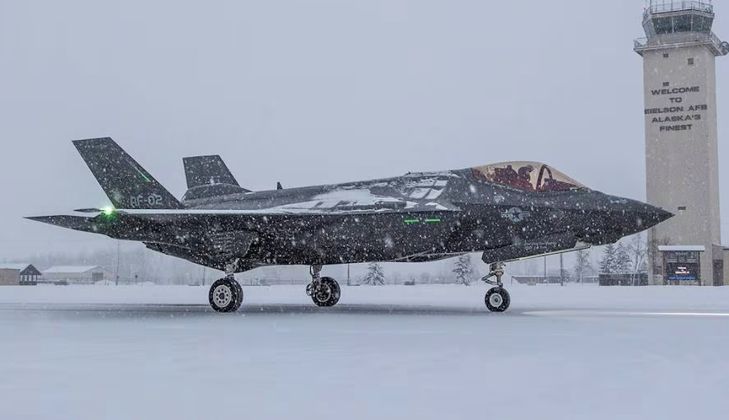
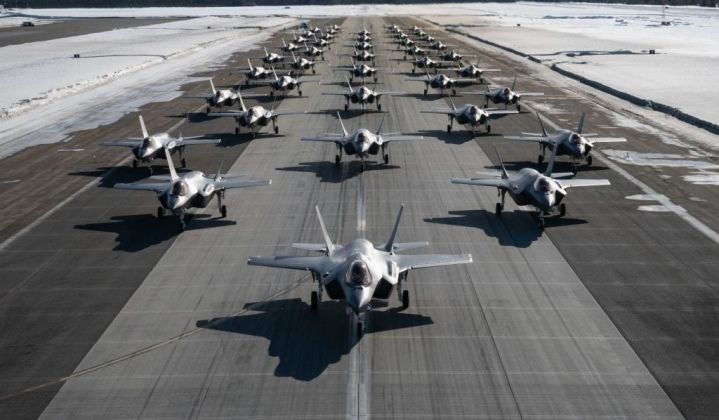
U.S. Air Force F-35A in Alaska
Commander of 1 Canadian Air Division, operational commander for the Canadian North American Aerospace Defense Command (NORAD) Region, Royal Canadian Air Force Major General Chris McKenna, has provided new insight into prevailing thought in the service on the procurement of F-35A fifth generation fighter aircraft. Canada is the only partner in the F-35 program to have even cancelled its planned procurement of the aircraft, although it again reversed this decision in 2022 with the signing of a $30 billion deal to buy 88 of the aircraft, of which the first 16 have already been ordered and paid for. In a recent interview McKenna highlighted the importance of the F-35 for the country’s ability to wage war in its Arctic regions, particularly as adversaries were also fielding fifth generation fighters which other NATO-capable fighter types would not be able to match.
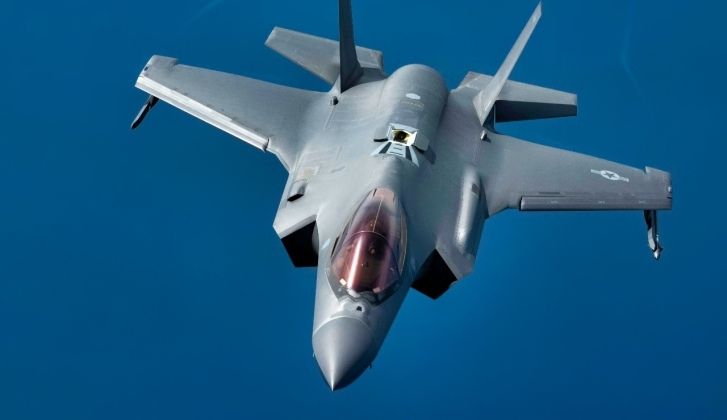
“I have a fifth-generation threat that I need to defeat. And so that’s the challenge right now. I need to be able to defeat the adversary, and I need to have overmatch,” McKenna observed, adding: “I will say, I need my pilots to have overmatch against high-end threats with their adversaries. And I think we can both agree that the threats are accruing by the day, it’s getting worse and worse by the day.” He added that he had “very high confidence that it’ll be able to achieve the NORAD mission set. Absolutely,” elaborating “it has a great sensor package on it, and it has all the armaments you would need, obviously, to defeat a high-end threat. And it’s interoperable with our closest ally. So those things are important, I think, in the way that you look at force development in the military.” The United States has particularly concentrated F-35A deployments in Alaska, where they have been used to intercept Russian aircraft as part of joint operations under NORAD with Canadian forces.
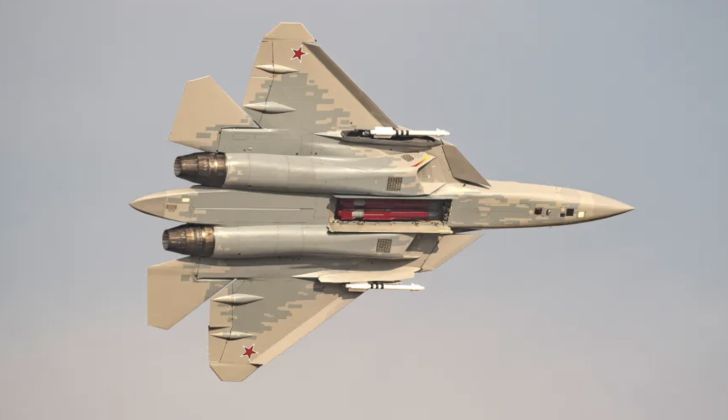
The F-35 has consistently won every tender in which it has competed against European fighters, or the rival American F-18E/F, with the aircraft standing out as the only fifth generation fighter in production in the Western world. Although China and Russia have not deployed their own fifth generation fighter fleets for Arctic operations, this is likely to materialise in the 2030s, potentially before Canada’s F-35s are delivered. Nevertheless, trade tensions between Canada and the United States have fuelled growing public support within the former for significantly reducing planned F-35 procurements, and instead acquiring the much lighter and less costly Swedish Gripen fighter. Reports emerged in October that the administration of Canadian Prime Minister Mark Carney was considering deep cuts to its planned order for F-35As with the intention of reallocating funds towards procuring the Gripen E/F, with Carney having advocated greater “diversification” in Ottawa’s defence and industrial partnerships. The Canadian Defence Ministry was on April 6 confirmed to be holding talks with the Swedish Aerospace firm Saab regarding the possible procurement of Gripen E/F.
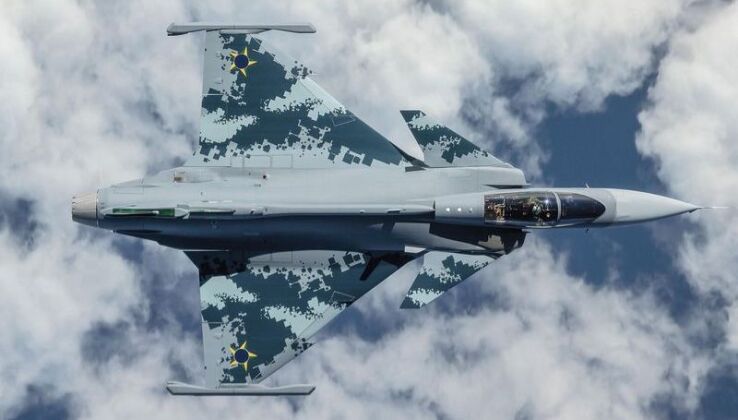
In late November new internal Canadian Defence Ministry reports provided insight into the selection process made under the Future Fighter Capability Project tender, which saw multiple Western fighter types evaluated in 2021. The tender saw the F-35 score 57.1 out of 60 points, a 95 percent score, in , while the Gripen E/F achieved just 19.8 points, a 33 percent score, in second place. Their performances were shown to have diverged particularly sharply once rated operational criteria were applied. Such results are far from unexpected, with the F-35 having been favoured by similarly overwhelming margins in recent tenders in Belgium, Finland and Switzerland. It nevertheless remains uncertain whether political factors may lead Canada to procure the Gripen E/F, which has a number of a advantages including its much higher availability rates, lower maintenance needs, and offers for greater options for customisation and autonomy in operating the aircraft.
General McKenna referred to the procurement of the F-35 as part of “the largest recap of our Air Force since World War II,” elaborating: “There’s been an 800% increase in our tanker procurement. So we’re getting nine multi-role tankers, eight of which are tankered. One is going to be a dedicated VIP aircraft. MQ-9 [Reaper drones] are showing up in 2027. P-8 [Poseidon maritime patrol aircraft] are on order, 14 to 16 of those showing up in 2027, so a large recap on all of the things you need to sense and effect in the Arctic, which I think is very good news.” Procuring 88 F-35A fighters would make Canada the second largest foreign client for the aircraft after Japan. The procurement is being made at a time of rising tensions in the Arctic, as NATO members have continued to significantly expand their military footprints in the region to contest control of vast and increasingly accessible resource deposits.
