
Why Russia’s Newest Attack Submarines Were Designed to Conduct Sudden ‘First Strikes’ Without Leaving Port
Military Watch Magazine Editorial Staff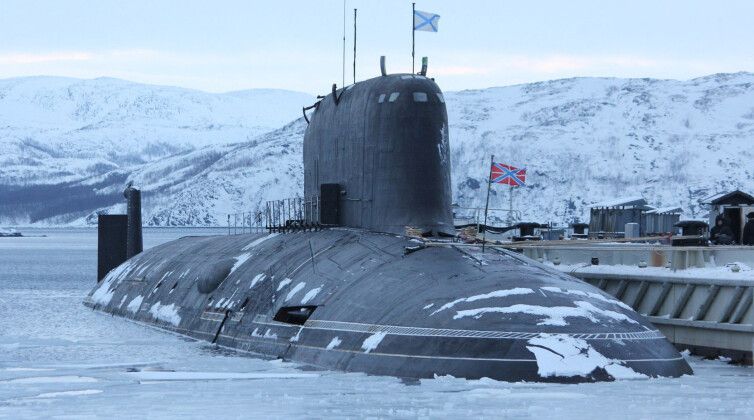
Russian Navy Yasen Class Attack Submarine
The Russian Navy's new generation of attack submarines have provided the capability to launch cruise missile strikes when still docked in port, with the service's new Yasen Class nuclear powered ships boasting the ability to attack without first submerging under water. The Yasen is considered one of the world’s most capable attack submarines - rivalled only by the American Colombia Class and the upcoming Chinese Type 095 Class - and each of the 14,000 ton ships can deploy between 32 and 40 long range cruise missiles (sources vary on the number) for both anti shipping and land attack roles. The ability to launch missiles without submerging is potentially highly valuable for sudden surprise attacks, as while NATO surveillance assets would likely pick up the launch of all submarines simultaneously, the ability to attack while in dock provides a means of launching strike with little to no warning for Russia’s adversaries.
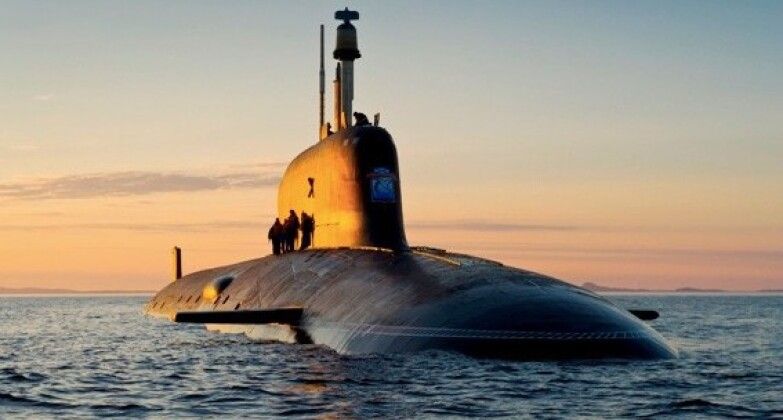
Although during the Cold War Russia’s strategic ballistic missile submarines were capable of firing missiles from port, this is an entirely new capability for cruise missile submarines. The head of the St. Petersburg Submariners Club, Igor Kurdin, stated regarding this development: “The possibility of launching cruise missiles directly from the berth significantly increases the combat effectiveness of submarines. The fleet does not always have the time to deploy, which is necessary for ships to move away from the pier and proceed to the pre-planned area of attack. Submariners should be able, if necessary, to use their main weapon right there, without departing from the pier.” He highlighted that this capability could be particularly useful for submarines operating from the Russian naval facility in Tartus on Syria’s Mediterranean coast. “Such opportunities fo submarines will be especially in demand in hot spots around the planet. In particular, the submarines located at the logistics centre in the Syrian city of Tartus should be able to support ground forces with fire at any time,” he stated. Syria is the only theatre where Russia has combat tested its modern cruise missile designs, deploying Kalibr and Kh-101 missiles from submarines, corvettes, frigates and heavy bombers for strikes on Islamist militant targets. The firing of cruise missiles from extreme ranges and from such a wide range of launch platforms was widely seen as a show of force against NATO.
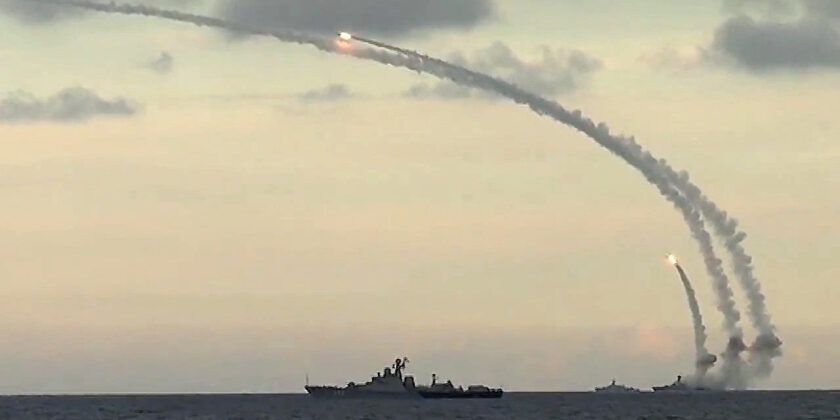
The ability to launch missile strikes before submerging can potentially serve as a force multiplier for the Russian Navy’s firepower, allowing Yasen Class ships to rearm themselves after firing an initial salvo before sailing out to sea. A Yasen Class ship from the Russian Navy’s Northern Fleet, the Severodvinsk, previously demonstrated this capability and is one of just three ships of the class to have been launched. Russian media outlet Izvestia noted regarding the missile test: “The sailors of the Northern fleet successfully launched launchers of the Kalibr cruise missiles, without leaving to open sea,, directly from the berth wall. The results showed that a submarine,, even caught off guard, would be able to effectively carry out its combat missions. In the future, such exercises will be included in the compulsory combat training program of all submarine crews with cruise missiles onboard.”
The ability to launch cruise missile strikes unexpectedly is potentially particularly dangerous considering the performance of Russia’s modern missile classes - which include the Kalibr for long range precision strikes and at the higher end the Kh-101/2 and the Zircon. The Kh-101 has a range of over 3500km and advanced stealth capabilities and can reportedly be launched from Yasen Class submarines, with the Kh-102 deploying a tactical nuclear warhead. The Zircon entered service near the end of 2019 and is currently considered the world’s most capable anti ship cruise missile, with a speed of approximately Mach 9, high manoeuvrability and a 1000km range.
