
Hunting Enemy Destroyers at Range: World’s Most Dangerous Anti-Ship Cruise Missiles
Military Watch Magazine Editorial Staff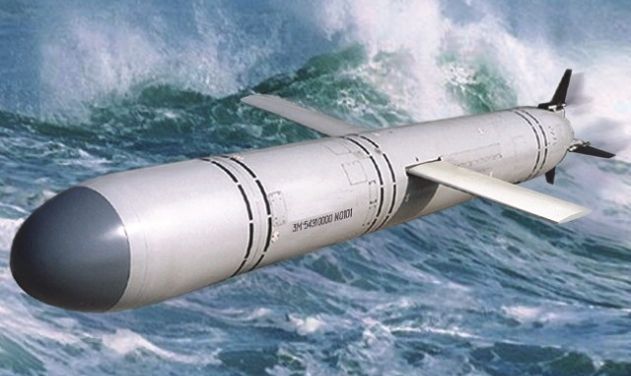
Russian Kalibr Anti Ship Cruise Missile - artwork
While historically primarily employed for land attack, cruise missiles today provide what is widely considered the most effective means to targeting enemy warships at range, and the outcome of naval conflicts for the foreseeable future will largely be determined by which party has the most capable anti ship cruise missiles in its arsenal. Attributes prized for these weapons include trajectories - with greater complexity and sea skimming terminal phase highly prized to improve survivability, speed - with faster missiles causing more damage and being more difficult to intercept, and payload as a missile with more munitions will do more damage. Other prized attributes include range - allowing the firer to threaten targets across wider areas and to engage beyond the target's own retaliation range, stealth - which makes missiles more difficult to detect even when striking from higher altitudes, and manoeuvrability which makes missiles more difficult to target. For cruise missile classes deployed from warships and aircraft in particular, a lighter and more compact design is also prized to allow each launch platform to deploy more firepower. Based on these six factors, an assessment of the most dangerous classes of currently active anti ship cruise missile is given below, and has considerable implications for the balance of power at sea.
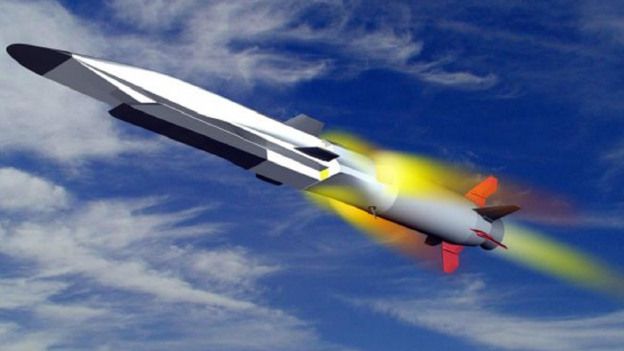
Zircon
Entering service in the final months of 2019, the Zircon definitively restored Russia’s position as a leader in its anti ship cruises missile capabilities - a position it had previously held in the Cold War with platforms such as the P-700 Granit and Kh-22. The missile is several times faster than its closest competitors with a terminal speed of Mach 9, and is extremely manoeuvrable making it almost impossible to intercept. The missile reportedly benefits from a plasma stealth coating making it difficult to detect at range, and is compact enough to be launched from standard vertical launch cells on Russian warships. Four Zircon missiles can be accommodated in the place of a single Soviet P-700 missile due to its smaller size. The sheer speed of the Zircon’s impact combined with its high precision allow it to tear an enemy warship in half with a single strike, and even larger warships can be disabled with one well placed hit. The missile's capabilities remain well ahead of any competition, and the platform retains a strong performance across the spectrum.
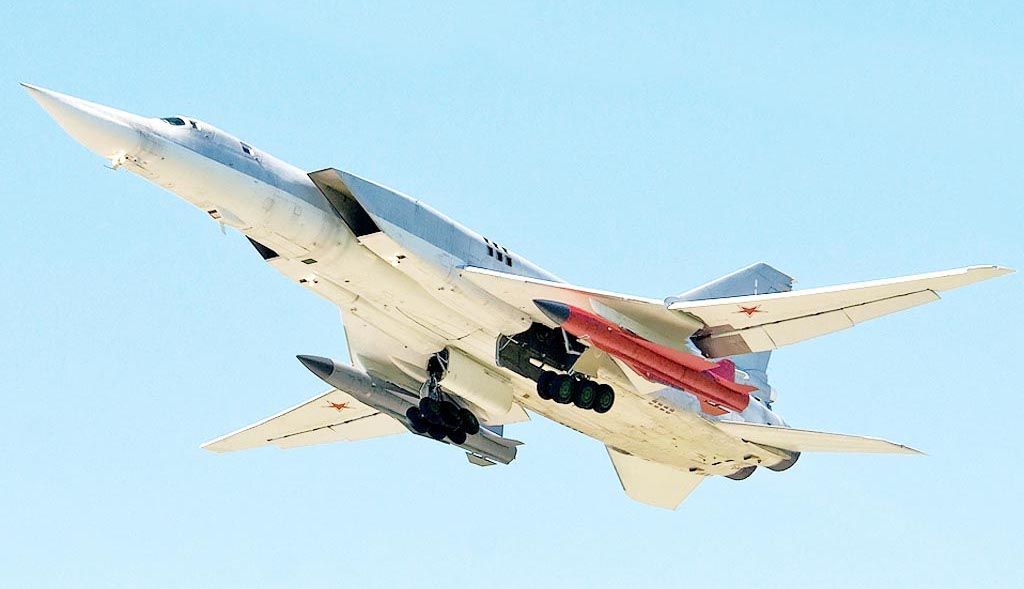
Kh-32
Entering service from 2016, this advanced air launched cruise missile can approach hypersonic speeds and impact targets at Mach 4.6. Some reports have indicated that the missile can exceed Mach 5 speeds, although this remains unconfirmed. The missile has a range of 1000km, and was developed to be launched from Russian Tu-22M3M tactical bombers - a new class of aircraft which the country has invested heavily in acquiring in considerable numbers. The Kh-32 is designed specifically with overcoming American missile defences in mind, and can fly at 40km altitudes - above the reach of American SM-2 surface to air missiles which protect its carrier strike groups. The missile follows a trajectory which makes it extremely difficult to intercept, and in its final stage of attack makes a steep dive - attacking its targets from directly above at extreme speeds which makes it more difficult to detect for enemy radars. The missile is prized for its extreme altitude, speed, range and its advanced electronic warfare countermeasures. Three missiles can be carried by a single Tu-22M3M medium bomber, and even a smaller bomber squadron can carry enough of the missiles to neutralise an entire carrier strike group.
YJ-18
Until the entry into service of the Zircon, the Chinese YJ-18 was considered the world’s foremost anti ship cruise missile deployed by a modern surface warship. The missile is integrated onto the People’s’ Liberation Army (PLA) Navy’s Type 052D and Type 055 Class destroyers. The latter can at maximum capacity deploy over 100 of these missiles. The missile was first deployed in 2015, and stands out among modern anti ship cruise missiles for its combination of a long range and a high impact speed - cruising subsonically to cover most of its range before accelerating to Mach 3 in its terminal phase. This speed is sufficient to tear most warships in half with a single direct hit - potentially doing more damage than the missile’s 300kg warhead. Combined with advanced electronic warfare countermeasures and high manoeuvrability, this makes the missile extremely difficult to intercept and poses a serious threat to enemy surface ships.
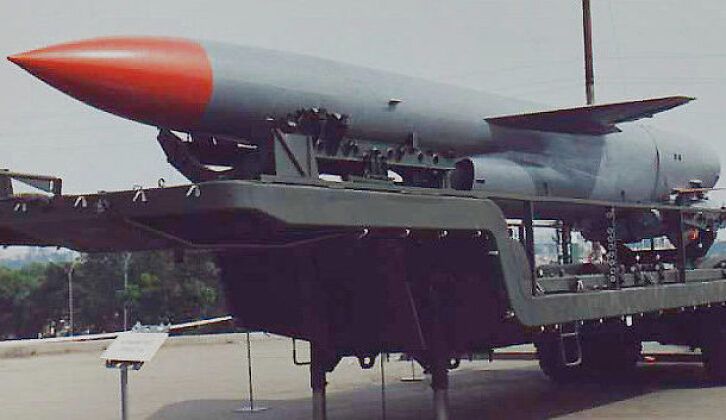
P-700
One of the heaviest cruise missiles ever conceptualised, the Soviet P-700 was the foremost anti ship cruise missile of its time and continues to pose a very serious threat to surface warships to this day. The missile is highly manoeuvrable, has a respectable range of around 650km and carries a massive 750km warhead. The missiles are similar conceptually to the P-270 carried by Russian Sovremenny Class destroyers, which professor of strategy at the U.S. Naval War College James Holmes described in 2020 as missiles that “give the U.S. Navy fits to this day,” but are much larger and more powerful and have a unique guidance mode. When fired in salvoes one missile climbs to a higher altitude and designates targets for the other attacks, with all missiles connected by data links to form a network. Travelling at speeds of over Mach 2.5, and generating considerable momentum at this speed due to their tremendous 7000kg mass, they are able to neutralise the large majority of enemy ship classes with a single direct hit. The P-700's on-board computers carry systems designed to counter an enemy's electronic warfare countermeasures ensuring a high probability of kill, and for further destructive potential they can be equipped with nuclear warheads. The P-700 has one major drawback however, which is that its sheer size takes up four times as much size as regular cruise missiles on the decks of warships. As a result even the world's heaviest surface combat ship Russia's Kirov Class battlecruiser carries just 20 of the missiles, and even destroyer sized ships are not equipped to accommodate them.
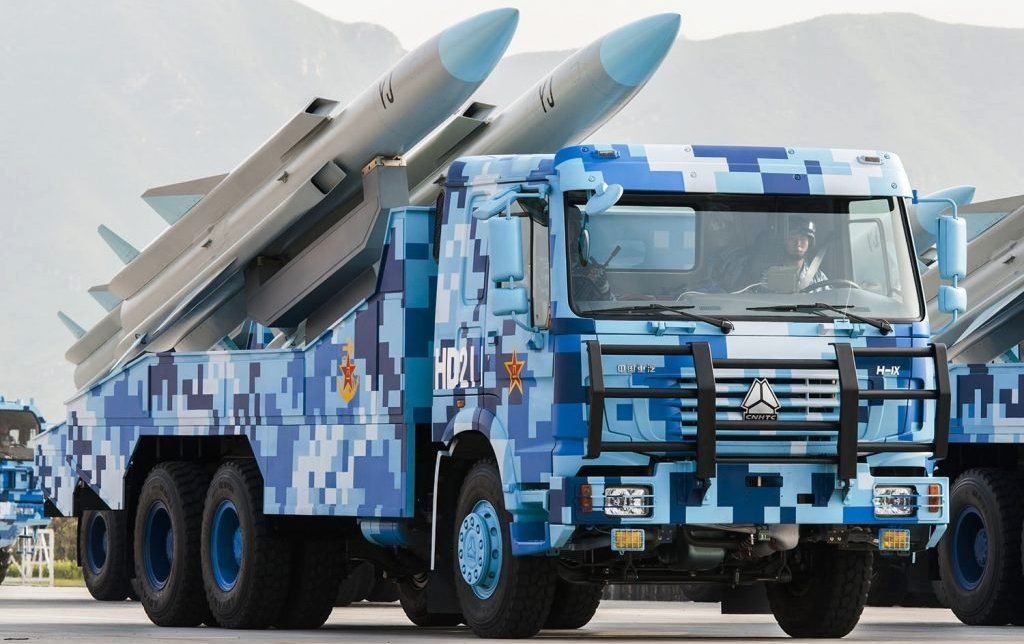
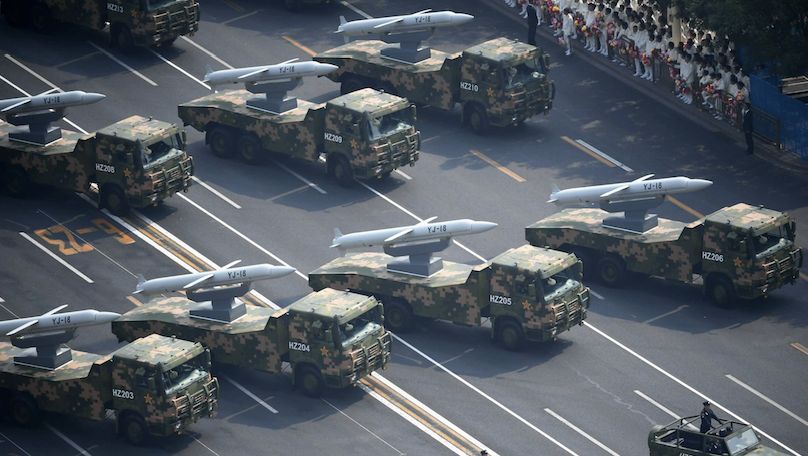
YJ-12
Unveiled in 2015 as part of a new generation of Chinese anti ship cruise missiles, the YJ-12 represents a lighter shorter ranged platform designed to be deployed both from H-6 bombers and JH-7 strike fighters. While China appears to have focused more on ballistic rather than cruise missiles to improve its bombers’ anti ship capabilities, the YJ-12 represents a lighter counterpart to such platforms. The missile is thought to be loosely based on the Russian Kh-31, but fields considerably superior capabilities and can reach higher speeds of Mach 4. The missile can engage targets at ranges of up to 380km, and is prized for its high speed, high manoeuvrability and heavy 500kg payload. Growing Western naval patrols in East Asian waters and the American ‘Pivot to Asia’ initiative, which sought to refocus the U.S. Navy towards projecting power in the region, have led to deployments of the YJ-12 to potential hotspots including bases in the Spratly island which house both JH-7 and H-6 jets. The high endurance of both these aircraft allows them to hunt for enemy warships over considerable distances, and the relatively low weight of the YJ-12 combined with the difficulties of intercepting a missile which is so fast and manoeuvrable makes it potentially ideal for saturation attacks.
