
How Can China Keep its Su-30MKK/MK2 Fighters Viable: Domestic Enhancements, a Russian Su-30SM Upgrade or Early Retirement All Possible
Military Watch Magazine Editorial Staff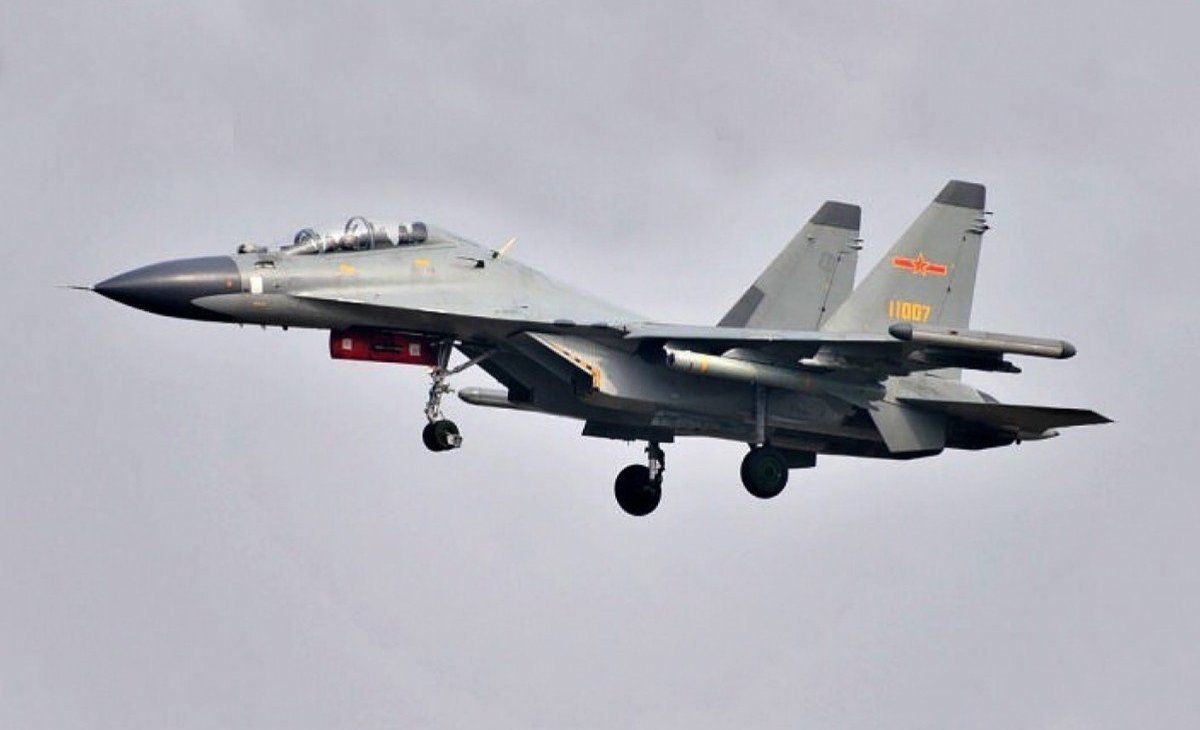
Chinese Su-30 '4+ Generation' Fighter
China’s People’s Liberation Army (PLA) is currently the world’s largest operator of Su-27 derived ‘Flanker’ heavyweight fighter jets, having placed an order for the original Soviet Su-27 design as its first export client in 1991 and today fielding three separate Russian derivatives and three major indigenous derivatives of the platform. Following on from the order for Su-27 fighters, China placed follow-up orders for more advanced and heavier Su-30 fighters in the late 1990s including 75 Su-30MKK and 24 Su-30MK2 platforms. These were derived from the same airframe, but were primarily oriented towards strike missions and benefitted from more powerful sensors, newer avionics, more powerful engines and access to a wide range of sophisticated air to ground and anti-ship missile types. These were followed by an order for 24 of the much more advanced Su-35 ‘4++ generation’ jets in 2015, although by this time Chinese military aviation had come a long way and it was already manufacturing its own very capable Flanker derivatives which were in many ways comparable and in some respects superior. While the Su-35 today remains state of the art, and many of the Su-27 fighters built in China have been upgraded to a ‘4+ generation’ standard with new sensors and avionics under the J-11BG program, the fate of its Su-30 jets remains uncertain.
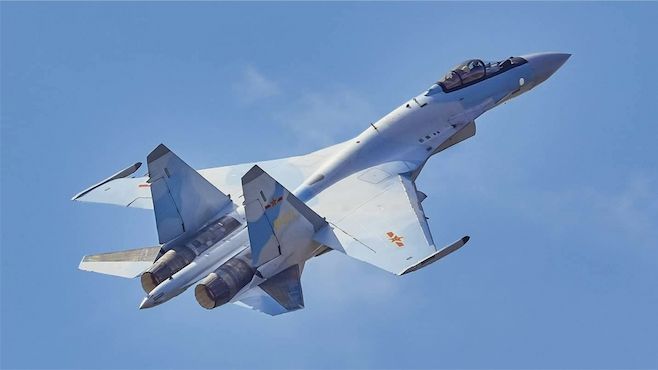
China is the world’s largest operator of the Su-30 after India and Russia, but while the jets formerly played a prominent role as the country’s most capable fighters they have increasingly been overshadowed by newer designs. Fighters are operated by both the PLA Navy and the Air Force, with the Su-30MKK in particular heavily optimised for a maritime strike role, but little has visibly changed in recent years beyond the equipping of some of the aircraft with indigenous rather than Russian anti-ship cruise missiles. A look at a number of options for modernisation of the Su-30 fleet, and an assessment of the possibility of retirement outright, provides considerable insight into the possible futures for China’s Flankers.
Perhaps the most conventional means to keep the Su-30s viable in the face of increasingly sophisticated threats is to upgrade the aircraft to the ’Su-30SM’ standard. Such upgrades are available either in Russia or in Belarus, with Angola having recently favoured the latter to modernise its own Su-30 fleet. The greater general sophistication of Russia’s technological base, however, makes it an advantageous partner for upgrading the jets. Upgrades will provide a critical boost to the power of the fighters’ sensors and provide new electronic warfare systems and avionics and compatibility with a range of new weapons. The need to carry out these upgrades abroad, however, makes them a potentially non cost-effective option. Even if upgraded to the Su-30SM standard China’s Flankers would not be outstanding among the heavyweight combat jets in the PLA fleet, with several more capable fighter classes already in service.
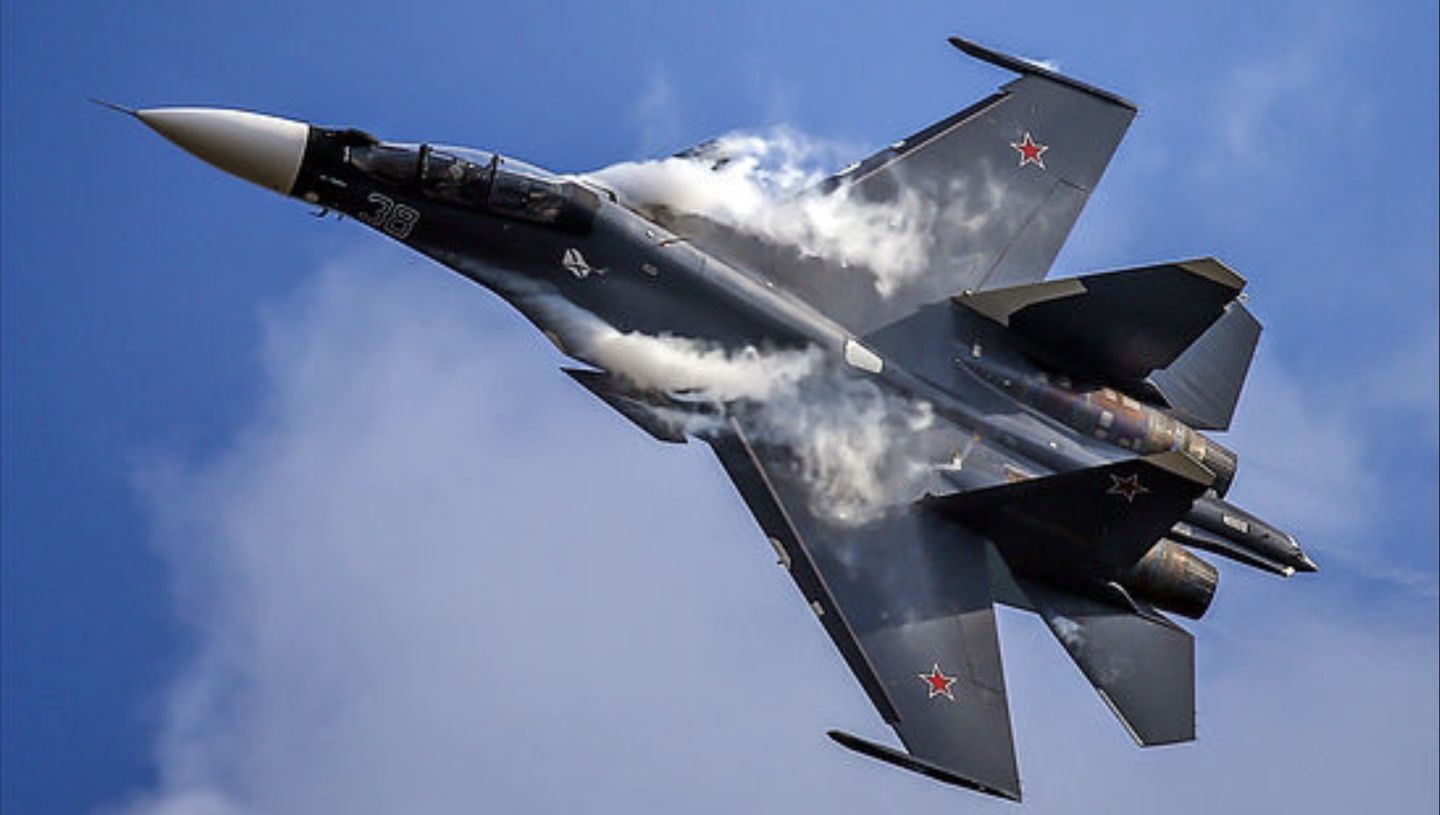
A potentially more promising and cost-effective option for China’s Su-30 fleet would be a domestic upgrade using technologies developed for advanced indigenous Flanker classes such as the J-16 and upcoming J-11D. While the ability to use Chinese technologies to make changes to the airframe such as addition of WS-10 engines remains uncertain, it will likely be possible to integrate new avionics and electronics and the J-16’s AESA radar onto the Su-30MKK and Su-30MK2. China’s J-16 and J-11BG are currently the only Flanker derivatives to deploy AESA radars, with Russian aircraft having yet to do so. The Su-30 design has already shown the potential to integrate non-Russian avionics and electronics - the Indian Su-30MKI and Algerian Su-30MKA being prime examples. Integration of Chinese sensors and avionics would make it much easier for the Su-30 to integrate Chinese air to air and anti-ship missile classes, which are often more capable than their Russian counterparts, including new PL-15 anti-aircraft missiles which have few rivals in their performance at long ranges. Integration of Chinese data links would also make the Russian built Flankers much more useful for network-centric operations.
Another option to modernise the Su-30 fleet could be to pursue a more ambitious enhancement program with Russian assistance – namely to upgrade the fighters to a ‘4++ generation’ standard through integration of Su-35 technologies. A similar upgrade package has already been offered to India for its Su-30MKI fleet. Alongside improvement to avionics and electronic warfare systems, this would involve integrating the Su-35’s much more powerful AL-41 engines and Irbis-E radar onto the Su-30 airframe, providing a vastly increased flight performance and a situational awareness rivalling that of fifth generation fighters. This would also make the aircraft compatible with a range of munition types designed for Russian next generation fighters such as the R-37M air to air missile. The likelihood the PLA will pursue this path remains slim, however, particularly if it has the option of upgrading its Flankers domestically. There is no pressing need for more Su-35 standard ‘4++ generation jets,’ particularly for old airframes which have already seen over 20 years of service, when China produces more capable designs already and has the option of buying more Su-35s ‘off the shelf’ from Russia. The cost of the upgrades means this will likely not be a cost-effective option, particularly when compared to the cost of building J-16 jets domestically.
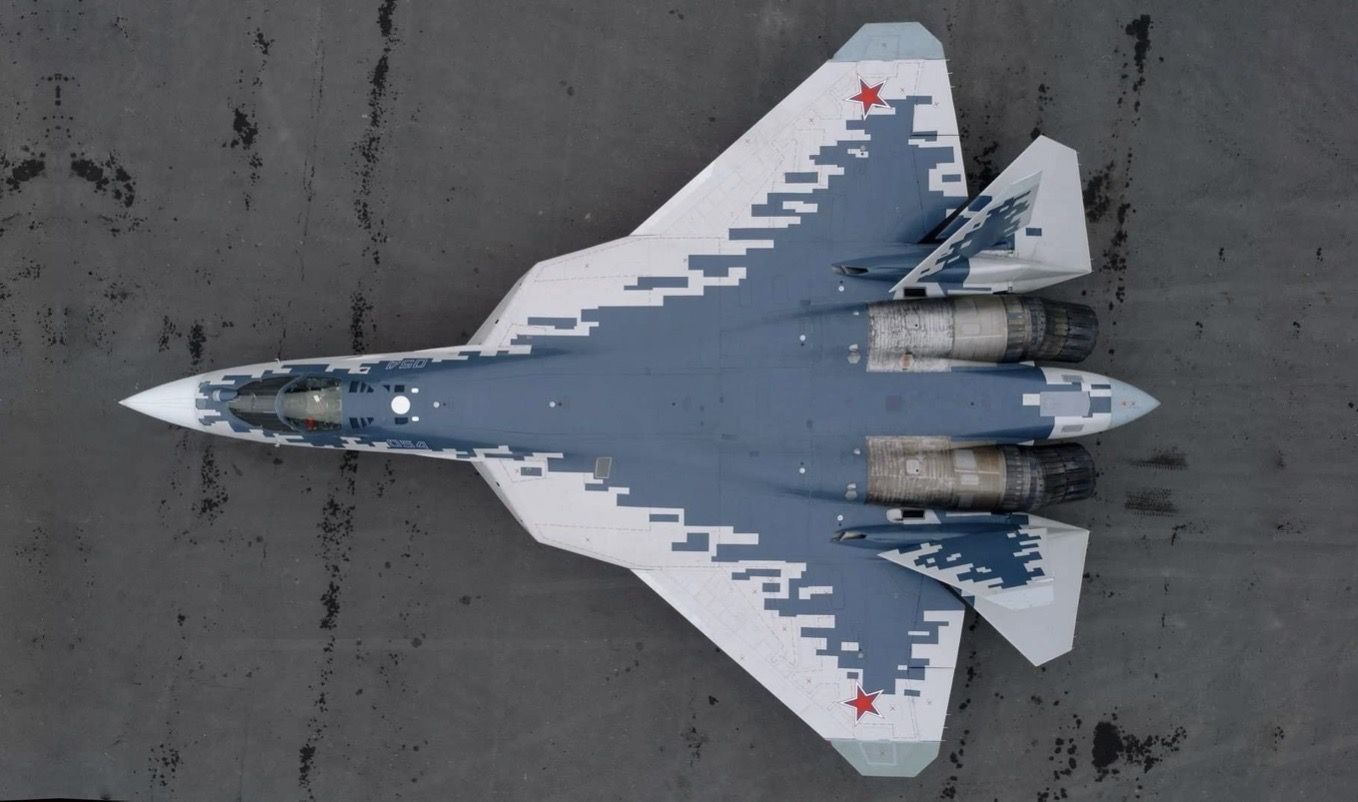
A further option could be to keep the Su-30MKK and MK2 fighters operating as they are, possibly with conservative domestic upgrades including integration of indigenous missile types and electronic warfare systems, for the coming decade or so before phasing them out of service entirely. With the exception of manoeuvrability due to its lack of thrust vectoring engines, China’s indigenous J-16 fighter already outperforms the Su-30 across the spectrum. As more ambitious Chinese designs such as the J-11D, J-20 and upcoming further fifth and sixth generation platforms enter service over the coming decade the Su-30 will increasingly be relegated to the low end of the fleet, which combined with its relatively high operational cost would provide an incentive for retirement to be replaced by more capable indigenous platforms. The possibility of replacing the Flankers, the Su-30MKK in particular, with newer Russian designed jets has also been raised. The Su-57 is a potentially ideal maritime strike fighter for the PLA Navy and could be an ideal replacement for the Su-30MKK. The new Russian platform far outperforms any current Chinese fighter class with the exception of the J-20, and many of its unique capabilities including its ability to carry hypersonic anti-ship ballistic missiles make it a potentially very attractive asset.
