
Could China See a Strategic Benefit to Purchasing Russian Su-57 Fighter Aircraft?
Military Watch Magazine Editorial Staff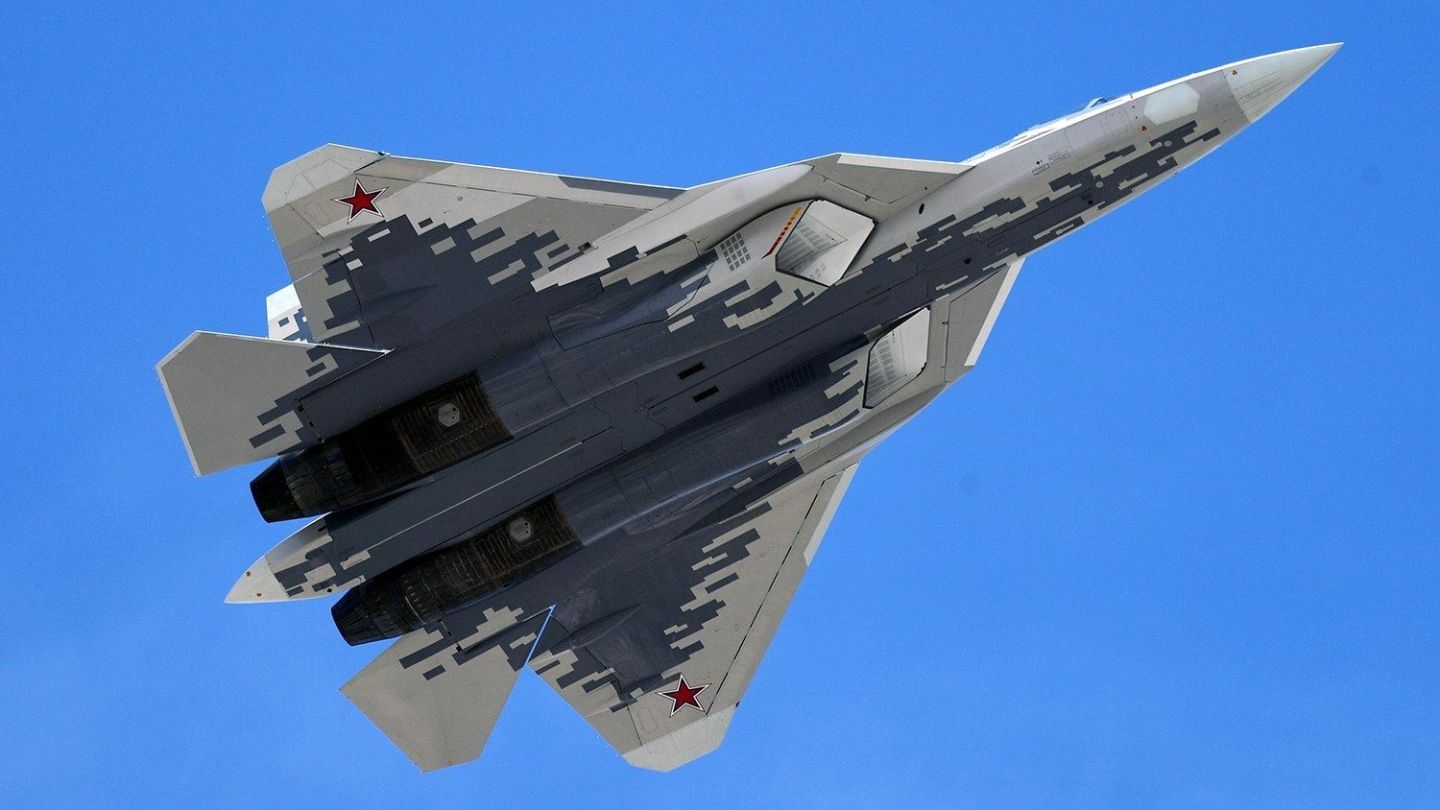
Su-57 Fifth Generation Fighter
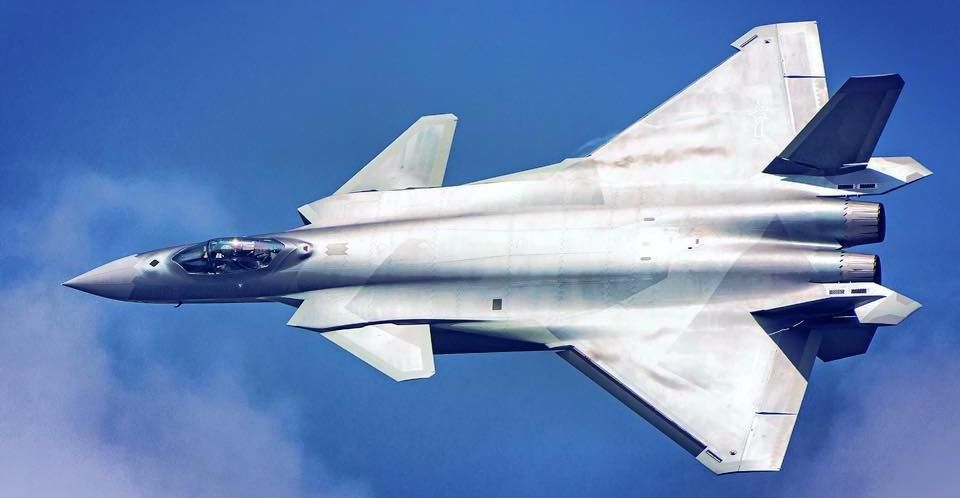
Recent reports regarding the Chinese Peoples’ Liberation Army (PLA) Air Force’s possible interest in acquiring Russian Su-57 fifth generation air superiority fighters have have raised serious questions regarding the aircraft’s potential usefulness to the service - given the apparently greater success of China’s own equivalent fighter program the Chengdu J-20 which entered service in 2017 and is currently in large scale mass production. Russia’s next generation platform has not only taken considerably longer to be declared combat ready, but its entry into mass production is not expected until the mid 2020s due to both the deep recent budget cuts made to the military and the Air Force’s interest in further refining the design by integrating sixth generation technologies and more sophisticated engines before acquiring it in large numbers. The J-20 is considered to field a considerably more sophisticated radar cross section reducing stealth profile, and integrates a number of high end technologies such as the Distributed Aperture System which its Russian analogue lacks. Nevertheless, the PLA can potentially derive considerable benefits from acquiring the Su-57 - which itself integrates a number of technologies which existing Chinese designs lack including more capable three dimensional thrust vectoring systems, K-77 and R-37 missiles with extreme ranges - the former which makes use of unique active phased array antenna technologies, and a Directional Infrared Countermeasures System which allows it to blind incoming missiles - to name a few examples. Aside from the benefits of deploying the Su-57 and acquiring its technologies through transfer agreements, China could see a broader strategic benefit to acquiring the next generation Russian aircraft - namely for the sake of strengthening its defence partner’s key weapons program and bringing forward considerably the date of mass production.
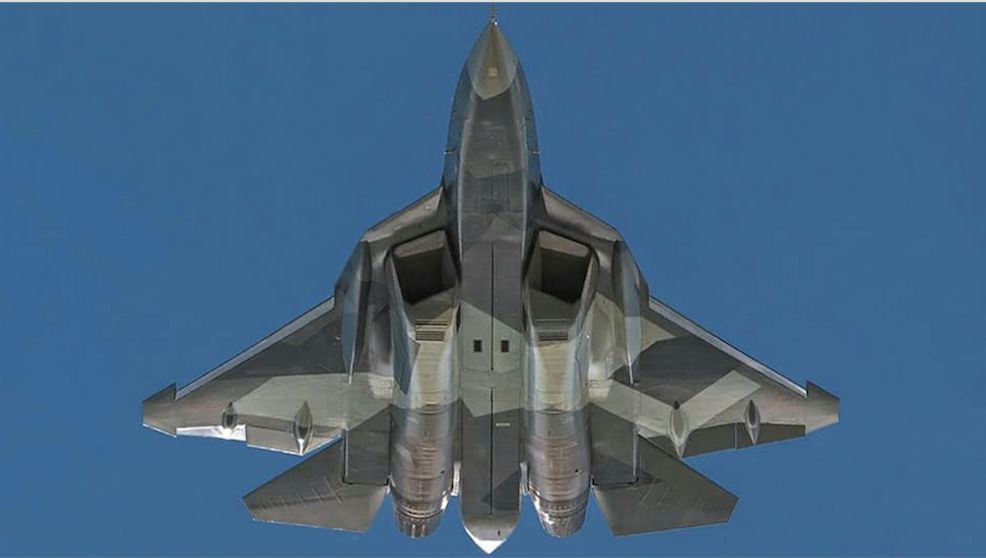
The Russian Military currently fields an extremely small contingent of combat capable Su-57 prototypes, and has placed orders for only twelve production models which are being manufactured at an extremely low rate of under two per year. Low demand drives up the cost per airframe of the fighter, which in turn limits its export potential and reduces the availability of funds for research and development. Consistent reports from Western sources, some more verifiable than others, that the Su-57 is somehow not a ‘real fighter’ and will never see widespread frontline service, further detracts from its reputation and therefore, potentially, from its export success. While the Russian Air Force’s deployment of four of the fighters to Syria for a brief combat mission went someway towards countering these allegations, the lack of any exports despite repeated attempts to market the aircraft abroad has somewhat tarnished the Su-57's image. Should China’s PLA place an order for the Su-57, the program could very likely gain the boost it needs to bring forward the date of mass production - possibly by over five years. This would provide Russia’s United Aircraft Corporation with ability to manufacture aircraft more cost effectively for both the country and its export clients.
Considering China’s growing and extremely close defence cooperation with Russia, which has extended to the sharing of nuclear launch codes - a level of trust which even NATO allies often lack among themselves - a stronger Russian military very likely remains in Beijing’s interests. This is particularly true given recent statements by President Xi in which he noted that his country’s ability to compete with the Western Bloc militarily in the long term was far from certain. Should what is arguably Russia’s most prolific weapons program gain a considerable boost however, China could gain a great deal strategically. A Chinese purchase would provide the Su-57 program with additional credibility, which would in turn likely lead to greater interest from potential export clients such as India and Vietnam and to greater foreign sales. This in turn would not only allow Russia to invest more in research and development, but also to manufacture the aircraft at a greater rate and deploy them in larger numbers. While China’s J-20 and upcoming J-31 currently represent the only next generation challengers to Western air superiority, thus allowing the United States and its allies to tailor their upcoming weapons programs heavily to countering Chinese capabilities and waging war in the Pacific theatre, should the Su-57 begin to be deployed in large numbers to the European theatre by the mid 2020s it would potentially shift the Western calculus and force the Western Bloc to divert further resources away from the Pacific theatre to meet a new challenge to its air superiority.
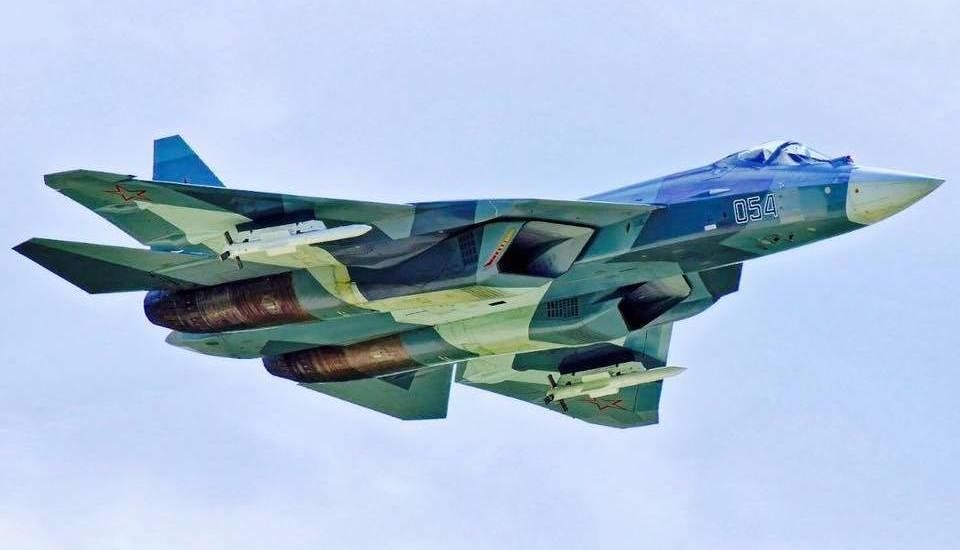
Given Russia’s high willingness to export the Su-57, strengthening the fighter program would also facilitate the equipping of states friendly to China and Russia and hostile to the Western Bloc with high end fifth generation combat aircraft. This could be done without placing China's own technologies at risk of being compromised while in third party hands which would be the case were it to export its own next generation fighters - the capabilities of which remain well guarded secrets. Ultimately the state of close military corporation between China and Russia and the former's strong interest in diverting Western attentions away from the Asia-Pacific - where they have been largely fixed since the Obama administration assumed power - gives Beijing a strong incentive to provide the technologically advanced but finically ailing military aviation industry of its defence partner with a much needed boost. With the Su-57 considerably surpassing the capabilities of Western fighter jets - arguably with the possible exceptions of the F-22 Raptor and upcoming F-15X - helping Russia to bring the fighter into mass production sooner would cause considerable issues for China's military rivals. By further stretching the Western Bloc's resources and allowing Russia to better challenge its air superiority, Chinese security would be enhanced. This comes alongside the obvious benefits for the PLA Air Force which come from deploying the Su-57s and acquiring their technologies to apply to the future indigenous fighter designs.
