
Vital Air Superiority Fleet Rejuvenation; U.S. Air Force to Purchase 80 F-15EX Fighters Over Five Years
Military Watch Magazine Editorial Staff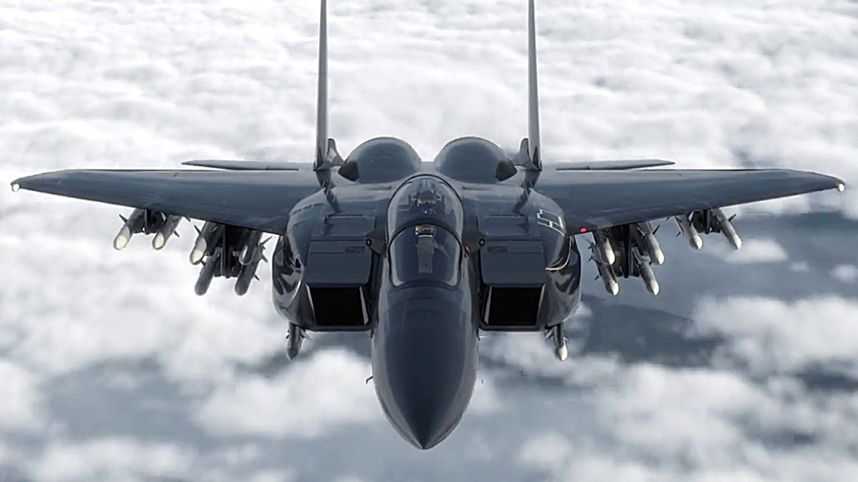
Next Generation F-15 - concept art
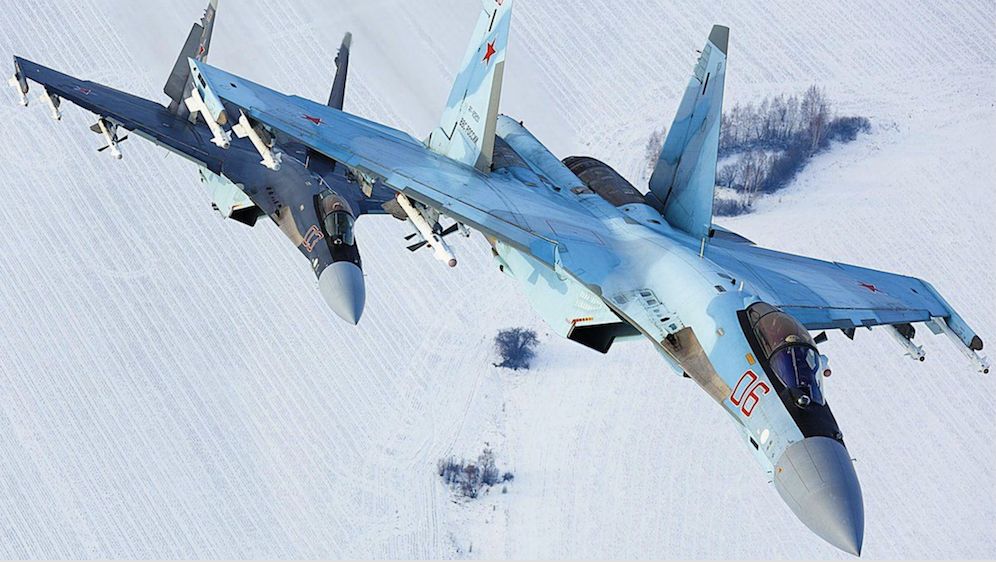
The United States Air Force’s recently published budget documents reveal plans to purchase 80 Boeing F-15EX ‘4++ generation’ air superiority fighters over the coming five years - with eight to be purchased in 2020 and eighteen each year from 2021 to 2024. The new air superiority fighter is in many ways the most capable in the world, with a speed of Mach 2.5 and weapons payload of up to 22 air to air missiles (where the F-22 Raptor is restricted to Mach 2.25 and eight missiles). The purchase has come in response to considerable concerns being raised regarding the state of American air superiority capabilities since the late 2000s, when production of the F-22 Raptor was cancelled under four years after it had begun - leaving the Air Force with just 25% of the fleet size it had originally planned and reliant on the ageing F-15C Eagles to supplement their numbers. According to U.S. military reports, the F-15C was unable to match the capabilities of elite Russian manufactured air superiority platforms which have widely proliferated such as the Su-30 and Su-35 ‘4+’ and ‘4++’ generation fighters. These aircraft are derivatives of the Su-27 Flanker, a Soviet platform designed specifically to counter the Eagle, and are considerably more capable than F-15 in their air superiority capabilities - from their manoeuvrability to sensors, electronic warfare systems and weapons payload. While the Raptor, which was designed specifically to counter the Flanker and its derivatives, is considered capable of countering them, the small numbers with which it was deployed - stretched between multiple fronts against four ‘great power adversaries’ in East Asia, Eastern Europe and the Middle East - made the fleet size appear inadequate to the task. The entry of advanced Flanker derivatives into service in China as well as Russia, and China’s People’s Liberation Army Air Force’s induction of the J-20 fifth generation air superiority fighter into service in 2017 - an analogue to the Raptor - further increased pressure on the U.S. Air Force to improve its air superiority capabilities.
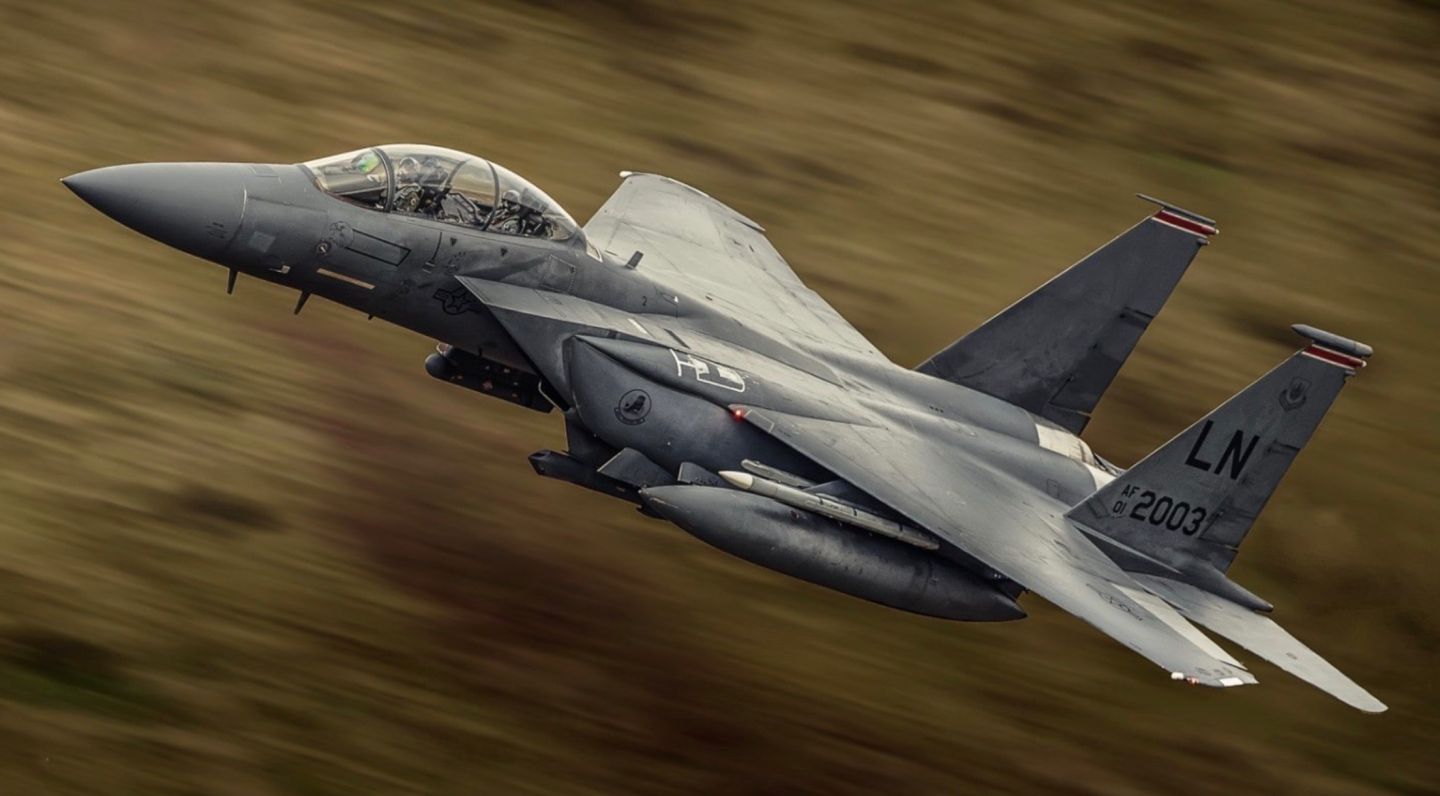
The U.S. Air Force currently flies three F-15C squadrons - with a further six deployed the air national guard coming to approximately 200 fighters. The aircraft date back to the late 1970s and 1980s, and while their maintenance requirements and operational requirements were extremely high initially they have increased substantially as the age of the fighters has gradually necessitated more maintenance. Considerable structural fatigue has also limited the fighters’ speeds and performance. According to an Air Force statement, “many F-15C/Ds are beyond their service life and have serious structures risks, wire chafing issues and obsolete parts. Readiness goals are unachievable due to continuous structural inspections, time-consuming repairs and ongoing modernisation efforts." Replacing these aircraft is thus increasingly viewed as vital, given both the rapidly growing challenges to American air superiority and the age of the current fleet.
The F-15EX’s airframe will reportedly require considerably less maintenance than the older variants, which in the long run could allow the fighters to pay for themselves in the funds saved from their operational costs. The F-15EX’s logistics, maintenance and training will heavily leverage existing the F-15 infrastructure, according to the Air Force, and training costs will be minimised due to the similarity of the two platforms. The fighters are considered more than capable of engaging the most advanced Flanker variants including the Su-35 and J-11D. What the aircraft lacks in manoeuvrability relative to the Flankers and the F-22 it will compensate for in powerful sensors - with an AESA radar heavier and likely considerably more powerful than that of the F-35, state of the art electronic warfare systems - well ahead of those of the Raptor which have proven difficult to upgrade, and a sizeable payload of the latest AIM-120D long range air to air missiles. These missiles will provide the Eagles with an impressive engagement range of 180km, and some reports have indicated that they could be equipped with hypersonic missiles and other systems which would allow them to leverage their advanced sensors and high altitudes to better perform a strike role alongside air superiority.
