
Stealth Fighters Over Hanoi; What the Su-57 Can Do For Vietnam
Military Watch Magazine Editorial Staff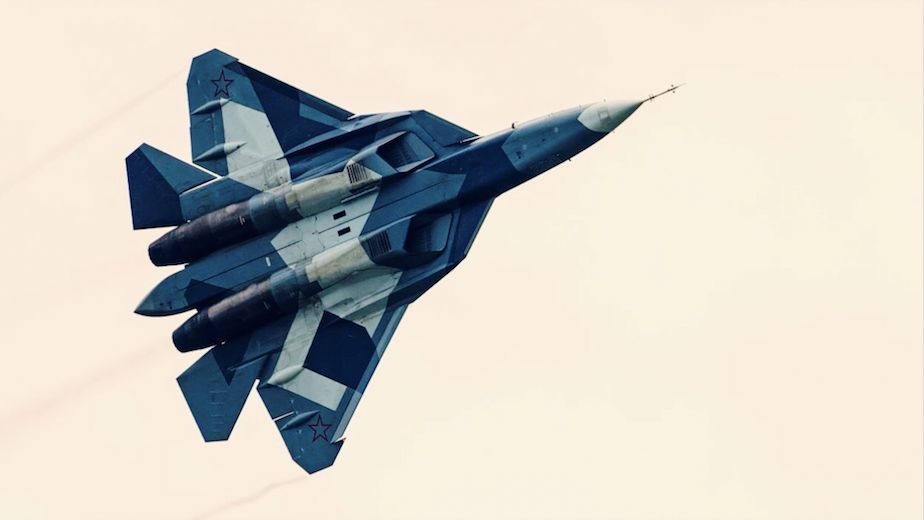
Su-57 Fifth Generation Air Superiority Fighter
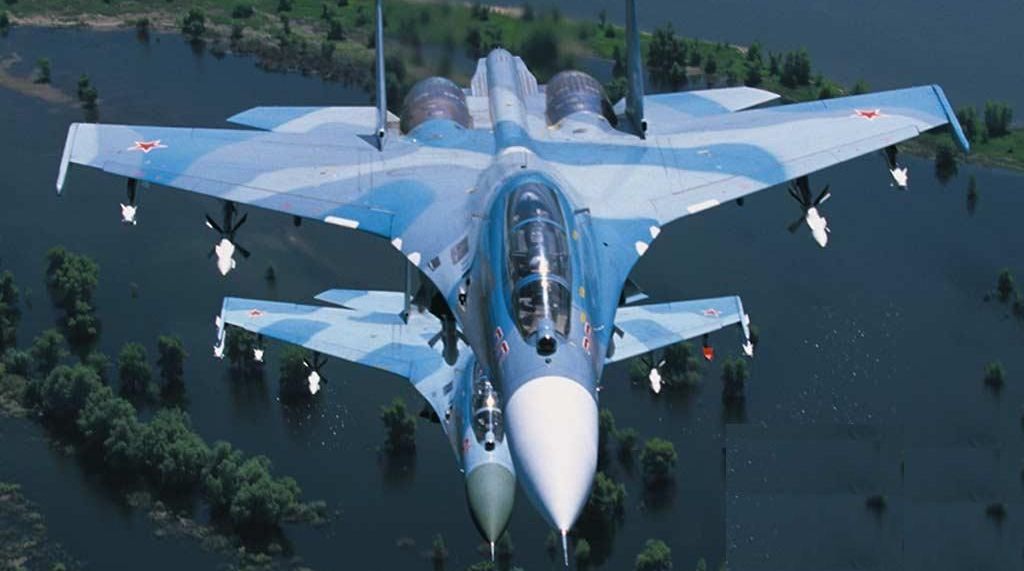
The Vietnamese Air Force has reportedly shown considerable interest in acquiring 1-2 battalions of Russian Su-57 fifth generation air superiority fighters, providing a strength of 12-24 combat aircraft. The deployment of these fighter will represent a game changer of the country’s ability to wage war in the air, and is in line with the Air Force’s currently prioritisation of fielding a small but elite force comprised of high end Russian air superiority fighters. The Vietnamese Air Force currently deploys 35 Su-30 and 12 Su-27 fourth generation air superiority fighters, high end predecessors to the Su-57 with a similar role. Alongside 28 Su-22 strike fighters, this gives the Air Force's combat fleet a strength of just 74 aircraft - all highly specialised long range heavy platforms. As a high end air superiority fighter, acquiring the Su-57 would represent an effective means modernising the fleet while prioritising the same capabilities as its predecessors of the previous generation. Should Vietnam acquire the Su-57 in the late 2020s or early 2030s, it will represent a considerable source of prestige for the country’s armed forces as one of the first fifth generation fighters in Southeast Asia - possibly the very first depending on whether or not the Singaporean Air Force decides to purchase the American F-35A, a single engine light fighter with stealth capabilities, to replace its ageing F-16 fleet.
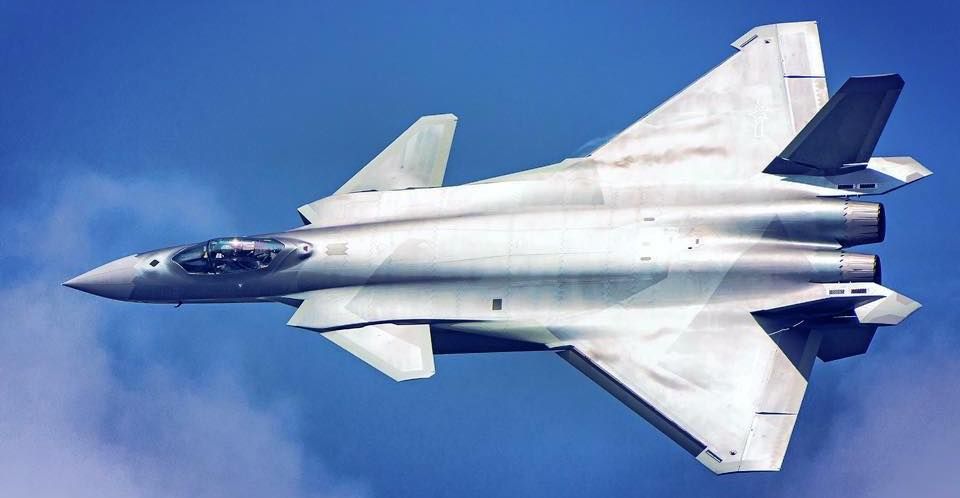
Given the advanced capabilities of the Su-57, quite possibly the most capable fighter aircraft in the world, the platform will represent a major game changer for Vietnam’s capabilities. With China’s People’s Liberation Army Air Force having recently inducted the Chengdu J-20, its own fifth generation air superiority platform, into service from 2017, the country currently enjoys a considerable technological advantage over Vietnam’s small fleet of fourth generation aircraft. The J-20B, a platform reportedly planned for entry into service in the early 2020s with considerably more sophisticated capabilities including three dimensional thrust vectoring and a higher weapons payload, will further cement this advantage - one which only the Su-57 will be capable of nullifying. As Vietnam lacks Airborne Warning and Control System (AWACS) systems such as the A-50, the Su-57’s advanced sensors will provide an unprecedented level of situational awareness, while its long range and high altitude will make it excellent for patrolling the disputed South China Sea - a region where China's military presence has grown considerably.
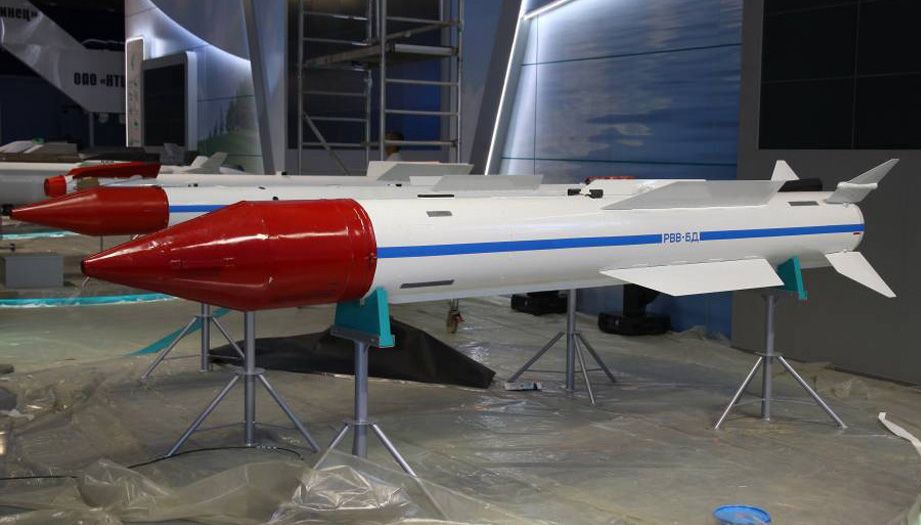
With China’s People’s Liberation Army’s new fighters deploying a number of advanced long range air to air munitions such as the PL-15, which are more capable than their counterparts in Vietnamese service such as the R-77, the Su-57 will provide a much needed return to parity with their K-77 air to air missiles. These high end long range missiles, capable of striking targets with an unparalleled degree of precision at ranges of up to 193km, will be a game changer for the Vietnamese fighter fleet and, combined with the Su-57’s long range, provide a very wide area of control. Should Vietnam seek to acquire the R-37 air to air missile, a platform specialised in neutralising tankers, AWACS and other vital support platforms with an estimated range of 400km, their Su-57 fleet will be able to target Chinese support aircraft not only over the South China Sea - but over much of China itself. While Vietnam's ability to engage the Chinese fleet is currently extremely limited, the Su-57 could be a game changer which would allow the Southeast Asian state's Air Force to seriously challenge Chinese air superiority.
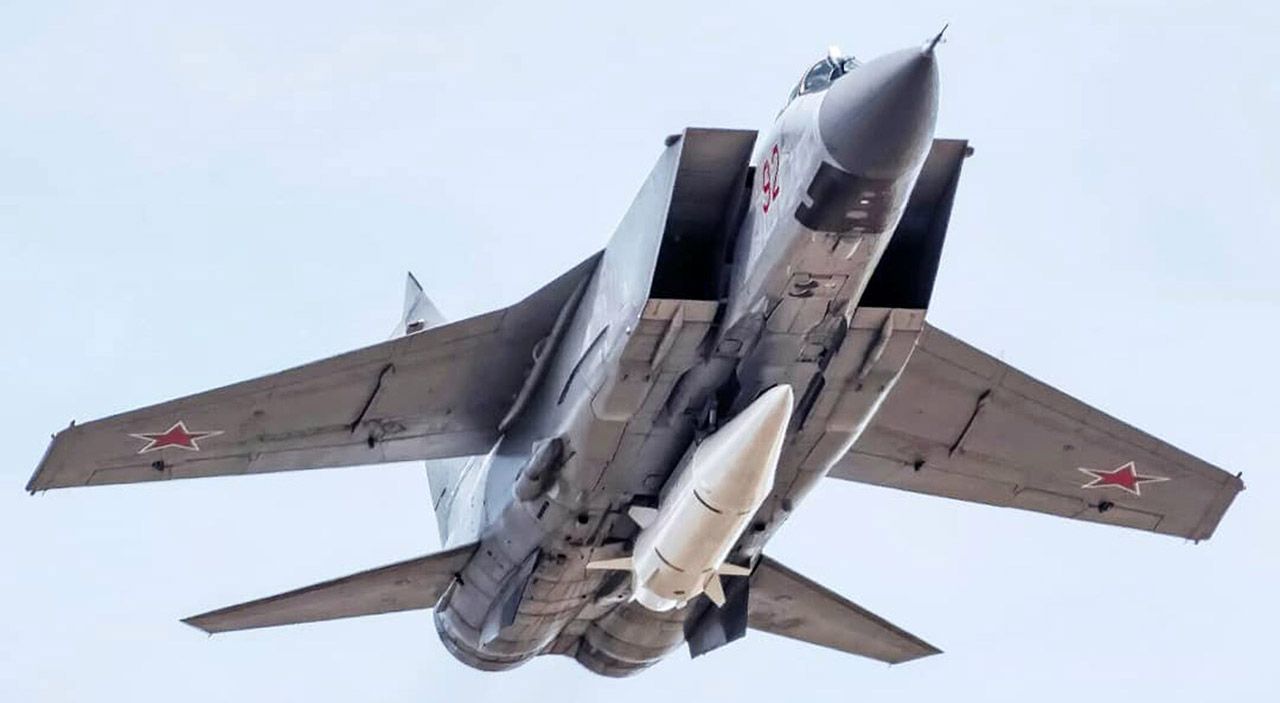
While Vietnam has not invested in developing weapons of mass destruction such as nuclear weapons, the Su-57’s high end strike capabilities could provide a viable deterrent against enemy attacks if equipped with Kh-47M2 hypersonic ballistic missiles. A variant of this missile capable of fitting in the Su-57’s internal storage banks is currently under development. The Kh-47M2 is considerably more capable than the ageing Scud missiles Vietnam's armed forces currently deploy, which are nearing obsolescence and are likely incapable of penetrating even China’s most basic air defences - let alone evading the defences of high end platforms such as the HQ-9B and S-400. The Kh-47M2 is estimated to strike at up to 10 times the speed of sound, and its high manoeuvrability and precision makes it both highly lethal as a tactical strike platform and extremely difficult to intercept. These missiles could cause considerable damage to military facilities in the Chinese mainland itself, and are also highly potent as ship hunters - capable of disabling even large aircraft carriers with a single strike due to the sheer speeds at which they strike.
Given the versatility and high end capabilities of the Su-57, a single regiment of which are expected to cost approximately $2 billion - possibly much more depending on the types of munitions deployed, the fighters could well be perceived as an excellent and highly cost effective investment by the Vietnamese Air Force. With the capabilities of neighbouring China fast expanding, and the rapid growth of the Vietnamese economy set to facilitate a considerably larger defence budget by the mid-2020s, such a purchase remains highly likely. Whether the Su-57 will be acquired as part of an expansion of the Vietnamese Air Force, or to replace the Su-27 or Su-22 which will be nearing the end of their service lives, remains to be seen.
