
U.S. Weapons Programs’ Widespread Delays and Cost Overruns Allowing China to Gain a Lead: GAO Report Highlights Why
Military Watch Magazine Editorial Staff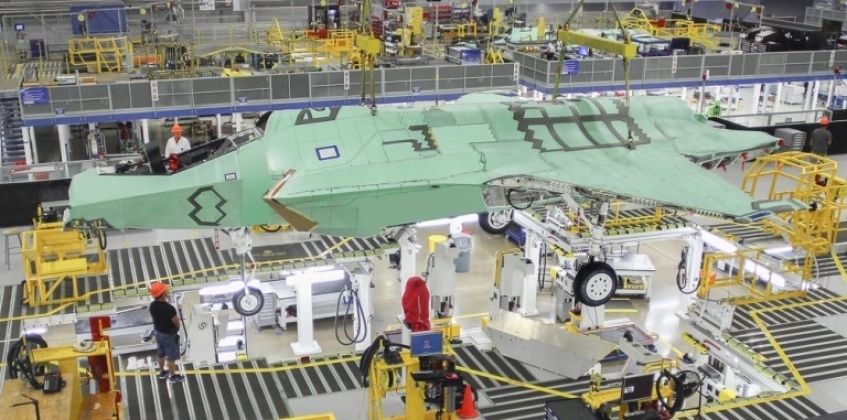
F-35 Production at Fort Worth, Texas
A recent report by the U.S. Government Accountability Office (GAO) has concluded that the U.S. Department of War continues to struggle to deliver major weapon systems on schedule and within budget, highlighting that it frequently begins acquisition programs before critical technologies are sufficiently mature. The report Weapon Systems Annual Assessment: Requiring Mature Technologies Could Enable Shift to Rapid Delivery argues that programs should require greater technological maturity before entering development, which would allow the Pentagon to field new capabilities more rapidly and with less cost growth. The approach of initiating production while a system is still under development, known as ‘concurrency,’ has significantly contributed to issues with multiple programs such as the F-35 fighter and Littoral Combat Ship.
A central finding of the Government Account Ability Office’s report is that schedule delays remain widespread across the Pentagon's largest acquisition programs, with many Major Defense Acquisition Programs (MDAPs) having postponed key milestones, with optimistic schedules routinely slipping as technical challenges emerge during development. These delays increase costs, postpone delivery of military capability, and reduce confidence in acquisition planning. The report also examines the Department's growing use of the Middle Tier of Acquisition pathway, which led many programs to enter development with immature technologies requiring substantial additional development, resulting in several projects struggling to meet the five-year objective, undermining the purpose of the rapid acquisition process. The report argues that acquisition strategies should place greater emphasis on technology readiness before major development begins.
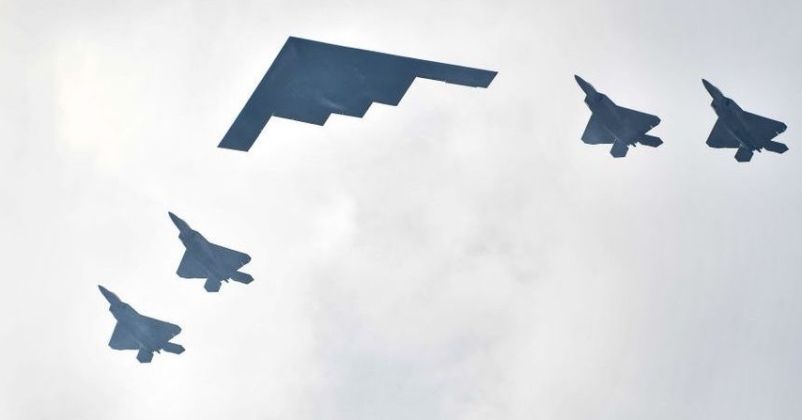
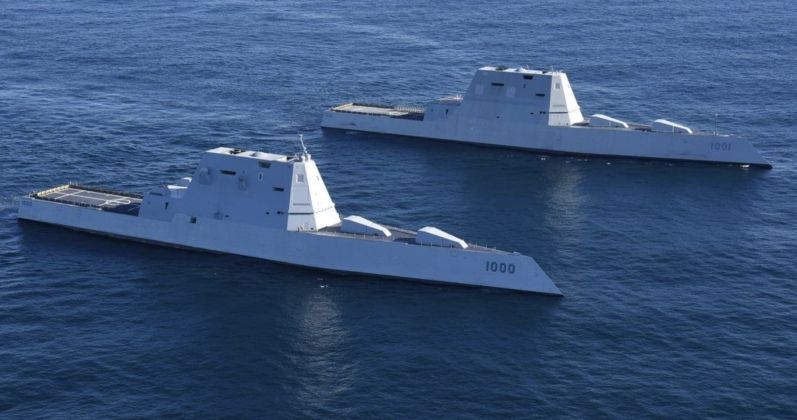
The U.S. defence sector has faced significant difficulties with all major weapons programs since the end of the Cold War, due not only to changes in the procurement system, but also to the extreme decline in the country’s industrial base. One of the first significant examples was the B-2 bomber, which suffered major overruns in sustainment costs and maintenance needs resulting in a lack of affordability and very low availability rates. The F-22, similarly, cost more than twice as much to sustain than what the program had projected, while having a much shorter range, poorer availability rates, and a heavily watered down combat performance despite costing well over twice as much as budgeted per fighter. These trends have continued to affect newer programs, ranging from the F-35 fighter to the Zumwalt class destroyer. The serious inefficiencies affecting new weapons programs have significant implications in the United States’ geopolitical competition with China, which has proven capable of developing complex new systems in fractions of the time and cost and with far fewer performance issues. This is a primary factor that is projected to allow China to field sixth generation fighter aircraft close to a decade before the United States.
