
U.S. Patriot Missiles Are Already Failing Badly: New Cheaper PAC-3 ACE Variant May Be Near Useless
Military Watch Magazine Editorial Staff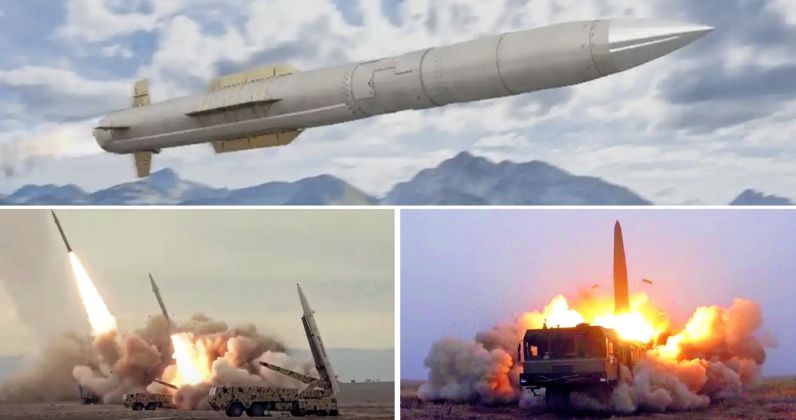
PAC-3 ACE, Russian Iskander and Iranian Fattah-110 Ballistic Missile Launches
The unveiling of the PAC-3 Adapted Capability Effector (ACE) surface-to-air missile for the MIM-104 Patriot long range air defence system as a much lower cost alternative to the PAC-3 Missile Segment Enhancement (MSE) variant currently in service has raised significant questions regarding the future of the U.S. and its strategic partners’ missile defence capabilities. Although Lockheed Martin has released relatively few technical details regarding the missile, its design is noticeably shorter and more compact than the PAC-3 MSE. The reduction in size, together with the substantially lower projected price, has led analysts to conclude that some performance compromises have almost certainly been made. These could include a shorter engagement range, a lower interception altitude, and reduced capability against the most advanced ballistic missiles currently confronting Patriot operators.
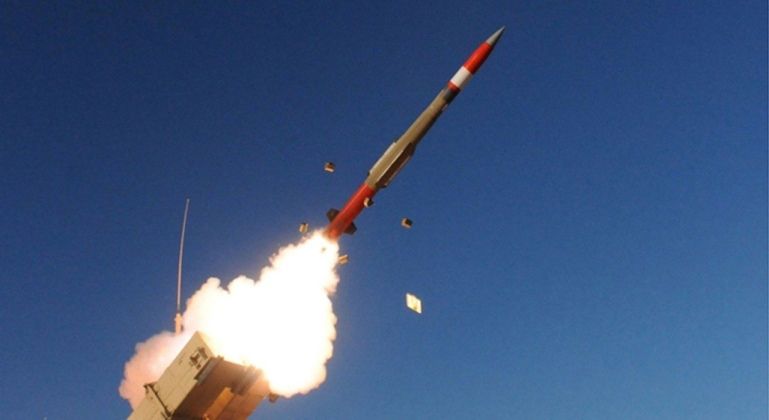
One of the most striking differences visible in Lockheed Martin’s official renderings is the lack of an attitude control system around the missile’s forward section. The PAC-3 MSE uses a ring of miniature rocket thrusters to provide extremely high manoeuvrability during the final moments before intercept, allowing the missile to make rapid course corrections against highly agile ballistic targets. Eliminating this system would significantly simplify manufacturing and reduce costs, although it would inevitably reduce the missile’s terminal manoeuvring capability. Analysts have also suggested that the new interceptor may omit the PAC-3 MSE’s Lethality Enhancer warhead. This enhancement, introduced on later PAC-3 variants, deploys additional fragments immediately before impact to increase the probability of destroying incoming ballistic missiles. The PAC-3 ACE is instead expected to rely solely on hit-to-kill technology, or to employ a simpler warhead configuration to further reduce production costs and simplify manufacturing.
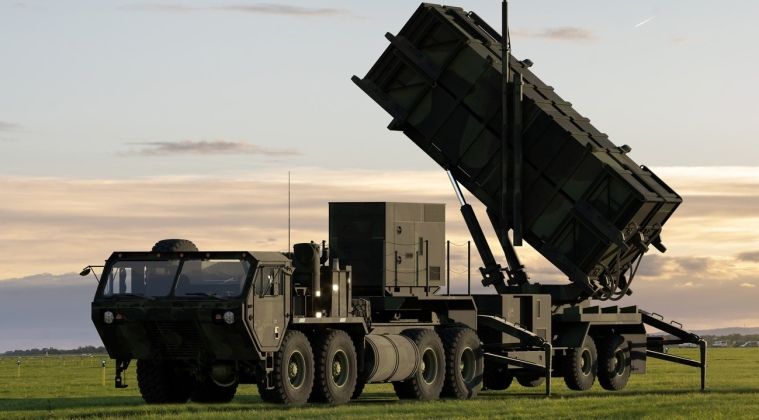
Significant questions have been raised regarding the viability of relying on a lower cost and less capable counterpart to existing PAC-3 variants, considering that the original design has already suffered from severe limitations in combat. The Patriot system has been confirmed by Ukrainian and Western sources to be unable to intercept Russian ballistic missile strikes, with former Deputy Chief of General Staff of the Ukrainian Armed Forces General Igor Romanenko having in October 2025 warned that Patriots had an effectiveness rate of just 6 percent against such strikes. This corroborated statements made days earlier by Ukrainian and Western officials which similarly warned that the effectiveness of the Patriot against missile attacks by Russian Iskander-M and Kinzhal ballistic systems had fallen to just six percent.
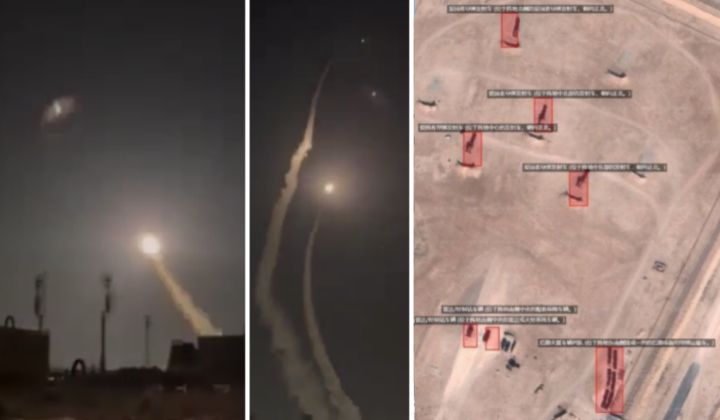
Patriot systems integrating the PAC-3 have suffered from similar shortcomings against less advanced Iranian short range ballistic missile types. In the initial hours of hostilities footage showed Patriot systems in Qatar consistently failing to intercept Iranian ballistic missiles, with footage showing three interceptors launched, rather than the standard two, indicating an awareness of the lower than advertised probability of kill. In mid-March a crew member from a civilian ship sailing through the Gulf of Oman filmed two Iranian ballistic missiles striking oil facilities at the United Arab Emirates port of Fujairah, and failed efforts by local forces to use a Patriot system to intercept them also using three interceptors against each target.
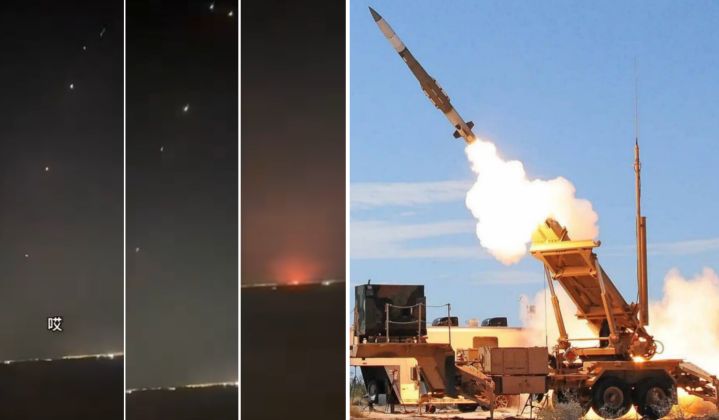
While the U.S. moves to develop a downgraded interceptor for the Patriot system, not only have existing interceptors proven to be far from capable of reliably intercepting even less advanced ballistic missile attacks, but U.S. adversaries are also rapidly improving their ballistic missile capabilities. North Korea has already brought a short range ballistic missile with hypersonic glide vehicle into flight testing, and is expected to export the design and its technologies to Russia, and possibly to Iran. China has meanwhile continued to lead the world in hypersonic missile technologies. Russia’s ageing Iskander-M system has also demonstrated continued improvements in its penetration capabilities. Thus while the PAC-3 ACE has been presented as a solution to affordability issues facing the Patriot system, it may prove to be less cost effective as it fails to provide a viable defence.
