
U.S. Air Defences Facing Major Cost Crisis: Lockheed Martin Unveils Lower Cost Patriot Missile in Response
Military Watch Magazine Editorial Staff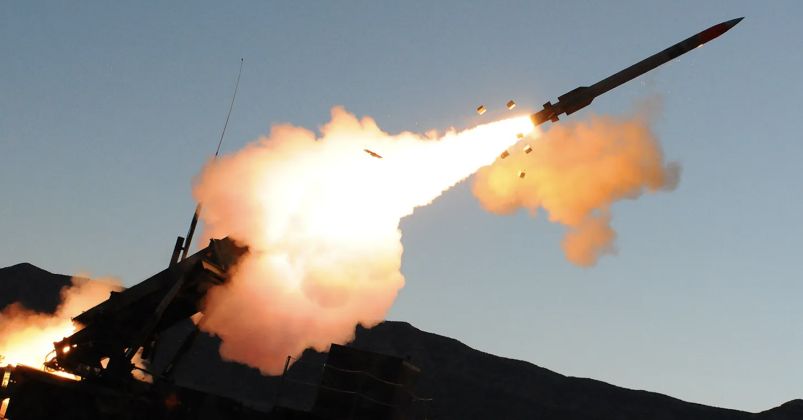
Missile Launch from Patriot Long Range Air Defence System
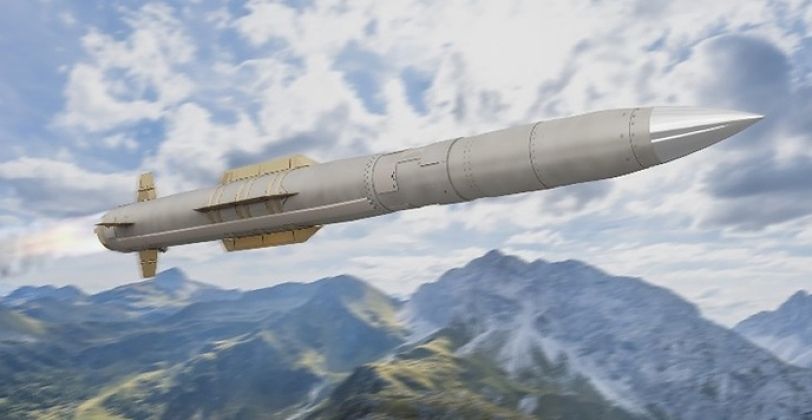
The United States’ largest defence manufacturer Lockheed Martin has unveiled the PAC-3 Adapted Capability Effector (ACE), a new interceptor for the MIM-104 Patriot long range air defence system designed to dramatically reduce the cost of ballistic missile defence. The new missile is expected to cost approximately $2.5 million per interceptor, roughly half the estimated $5 million price of the PAC-3 Missile Segment Enhancement (MSE) variant currently in production. The firm has stated that initial production could begin within 36 months, or mid-2029, with the program to be developed and manufactured in cooperation with industrial partners in both the United States and Europe.
The announcement of the development of the new missile appears to have been made in response to growing questions regarding the affordability of U.S. and broader Western missile defence programs, with employment of the Patriot in Ukraine and against Iran having cost billions of dollars for relatively conservative achievements. Patriot batteries have expended large numbers of interceptors defending against ballistic missile attacks, while new production has struggled to keep pace with demand from the United States, Ukraine, Gulf states, and other allied operators. The U.S. Army has already confirmed that it is seeking lower-cost interceptor options capable of expanding missile inventories while reducing procurement costs, with the PAC-3 ACE appearing to represent Lockheed Martin’s response to that requirement.
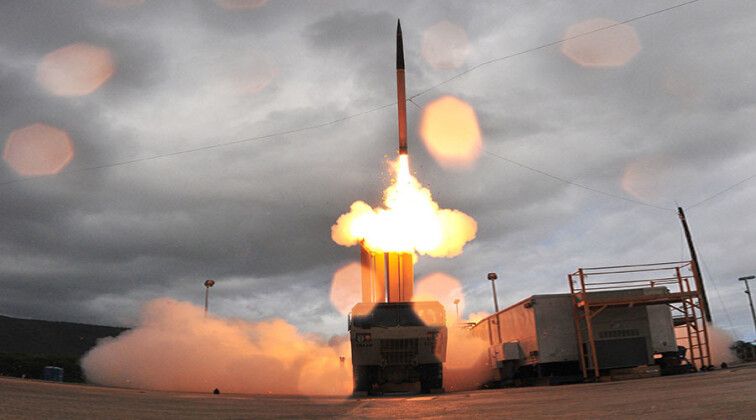
Issues with affordability have extended far behind the Patriot system, and affect Western anti-missile systems much more broadly. The THAAD system, which was developed to intercept longer range missile attacks, saw its first high intensity combat test in June 2025 when deployed by the U.S. Army to protect Israel. The U.S. Army expended over 150 anti-ballistic missile interceptors from the THAAD system to intercept Iranian ballistic missile attacks during 12 days of hostilities. With each interceptor estimated to cost over $15.5 million, this cost $2.324 billion at the most conservative estimate. Costs for engagements in 2026 have been significantly higher. Plans announced in June 2026 to produce 400 interceptors for THAAD annually are thus projected to cost the U.S. Department of War over $6 billion annually.
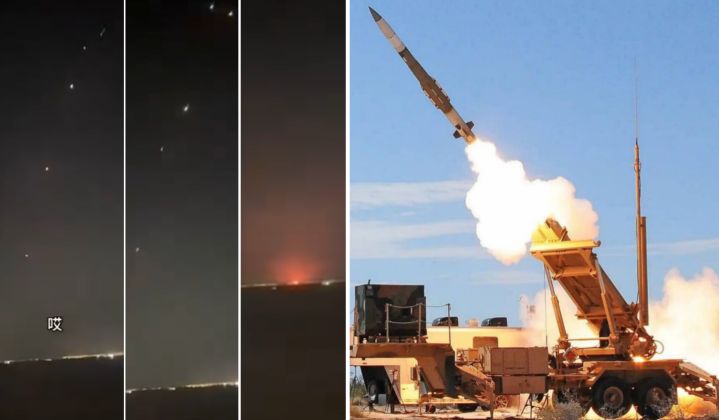
Rather than replacing the PAC-3 MSE, the PAC-3 ACE is intended to complement it. The new interceptor is designed to engage less sophisticated ballistic missiles, allowing the more capable PAC-3 MSE to be reserved for the most demanding targets, including highly manoeuvrable ballistic missiles and other advanced aerial threats. The concept reflects a growing emphasis on layered missile defence, with commanders selecting interceptors according to the complexity of incoming threats rather than relying exclusively on the most expensive missile available.
Although Lockheed Martin has released only limited technical details, defence analysts have identified several notable differences between the new interceptor and the PAC-3 MSE. Images released by the company suggest that the PAC-3 ACE is both shorter and more compact than the existing missile. Analysts have widely warned that its lower cost is likely to come at the expense of overall performance, potentially resulting in reduced range, lower engagement altitude, and diminished capability against the most advanced ballistic missile threats currently confronting Patriot operators. With relatively few potential adversaries fielding other types of less advanced missiles, however, with Iran, North Korea, and Russia having followed China’s lead in integrating new generations of technologies, the viability of the PAC-3 ACE remains in serious question.
