
Unaffordable Missile Defence: U.S. to Spend Over $6 Billion a Year Buying THAAD Anti-Missile Interceptors
Military Watch Magazine Editorial Staff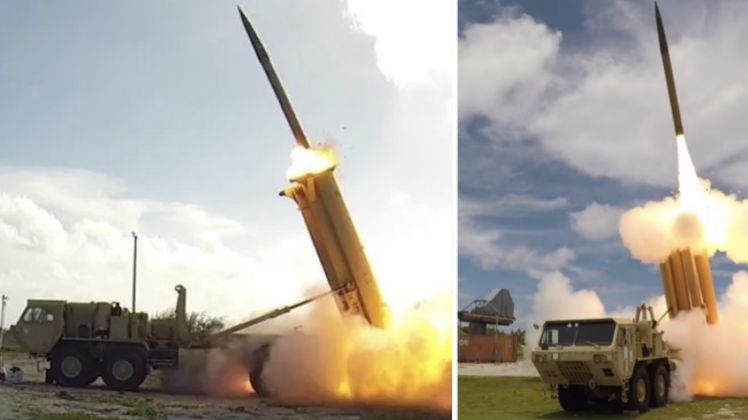
Launches From THAAD Missile Defence System
The awarding of a contract by the U.S. Missile Defense Agency to increase annual production of interceptors for the Terminal High Altitude Area Defense (THAAD) system from an estimated 96 missiles annually to approximately 400 was announced on June 26, and is expected to impose several billion dollars in additional annual costs on the already heavily strained U.S. defence budget. The contract stipulates a transition from a relatively limited procurement scale into one of the largest sustained missile acquisition programmes in the U.S. Armed Forces, which is particularly significant due to the immense costs of the missiles. With each interceptor estimated to cost over $15.5 million, procuring 400 interceptors each year will result in an annual cost of approximately $6.2 billion. Although savings from economies of scale may lower this, upward pressure on costs due to inflation mean that a cost of over $6 billion is expected. The seven-year contract to expand the production scale for interceptors is also projected to cost up to $35 billion.
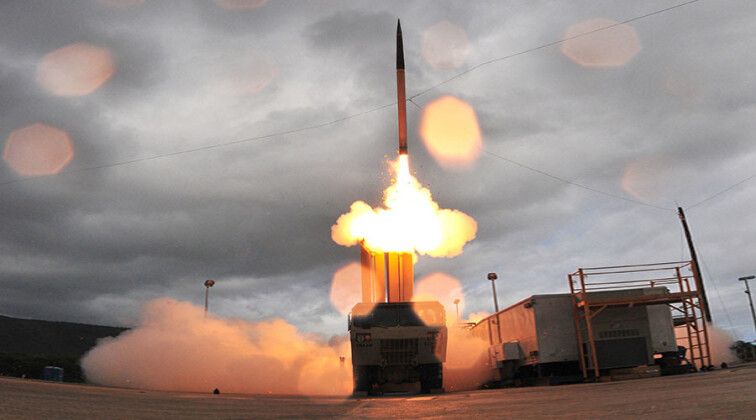
It is notable that the budgeting of $6 billion per year solely covers interceptor procurements for THAAD systems, and not additional spending on launchers, radars, fire control systems, personnel, logistics, or maintenance. This spending on interceptors exceeds the total defence budgets of all but 28 countries. Unlike other systems such as the MIM-104 Patriot, THAAD is not widely operated by foreign clients which prevents export revenues from covering significant portions of the costs of increasing production. It remains uncertain whether the surge in procurements of interceptors will be reflected in a surge in acquisitions of other components of THAAD systems, which have been procured relatively slowly over the past two decades. The Army begun to receive its eighth system only in June 2025, 17 years after the first system entered service in 2008. Nevertheless, the rate at which interceptors from the systems have been depleted in recent conflicts in the Middle East, in particular in June 2025 and February-April 2026, have fuelled calls to establish large stockpiles and establish much higher ratio of surplus interceptors per launcher.
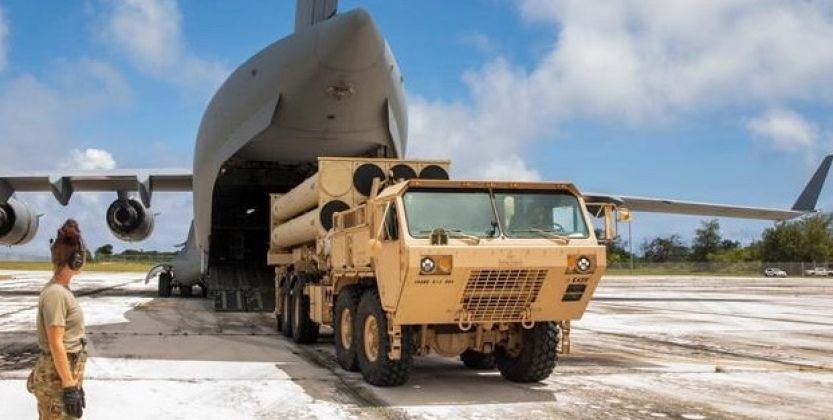
A framework agreement to quadruple annual production of interceptors for the THAAD system was first announced to have been reached in early February, with Pentagon officials having cited the intensifying threat of advanced ballistic missile systems as a primary factor in the decision. This followed THAAD systems’ first high intensity combat test in June 2025 when they were deployed by the U.S. Army to protect Israeli airspace. The Army’s deployment of THAAD to Israel was announced October 13, 2024, in response to Iran and the Yemeni Ansurullah Coalition’s demonstrated capabilities to launch long range missile strikes against sensitive military targets across the country. Following Israel’s initiation of a major air assault against Iran in on June 13, 2025, the U.S. Army expended over 150 anti-ballistic missile interceptors from the THAAD system to intercept Iranian ballistic missile attacks during 12 days of hostilities.
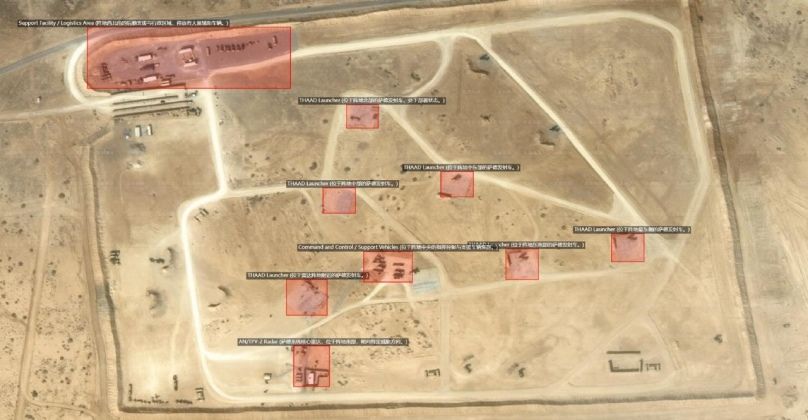
The U.S. Army’s depletion of over 25 percent of its total arsenal deployed around the world in just 12 days of conflict caused very serious concerns in Washington and among defence planners. Reporting on the expenditure of THAAD interceptors, the Wall Street Journal observed: “Operating alongside Israeli systems, THAAD operators burned through munitions at a furious clip, firing more than 150 missiles to shoot down the waves of Iranian ballistic missiles, according to U.S. officials… That is nearly a quarter of the interceptors ever purchased by the Pentagon.” “The demand [for interceptors] was so staggering that at one point, the Pentagon considered a plan to divert interceptors purchased by Saudi Arabia to the systems in Israel,” the Journal reported, citing an official. Concerns regarding the depletion of the arsenal were further raised after the U.S. and Israel launched a large scale assault on Iran on February 28, which resulted in the depletion of over 200 additional interceptors in a 39 day period, bringing stockpiles to less than half of their pre-2025 levels.
