
U.S. Army’s Multi-Billion Dollar Surge in THAAD Anti-Missile Procurements to Seriously Strain Funding
Military Watch Magazine Editorial Staff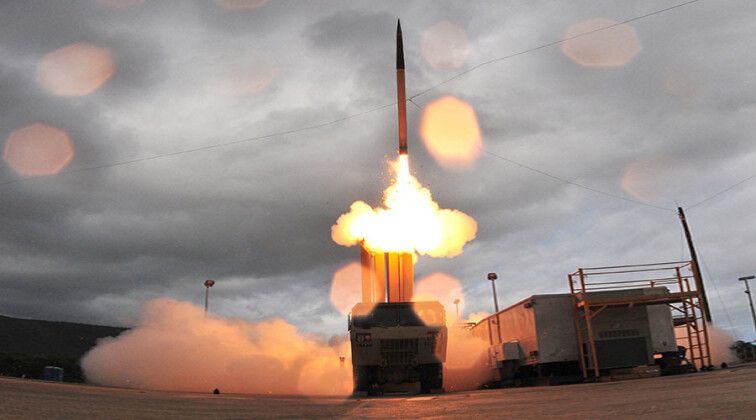
THAAD Interceptor Launch
Following the announcement by the United States’ largest defence producing firm Lockheed Martin that a major framework agreement had been reached to quadruple annual production of interceptors for the Terminal High Altitude Area Defense (THAAD) anti-ballistic missile system, boosting output from 96 to 400 missiles, significant questions have been raised regarding the affordability of expanded procurement rates. Pentagon officials have cited the intensifying threat of advanced ballistic missile systems as a primary factor stimulating interest in drastically expanding the number of interceptors available, following the THAAD systems’ first high intensity combat test in June 2025 when they were deployed by the U.S. Army to protect Israeli airspace. The Army’s deployment of THAAD to Israel was announced October 13, 2024, in response to Iran and the Yemeni Ansurullah Coalition’s demonstrated capabilities to launch long range missile strikes against sensitive military targets across the country.
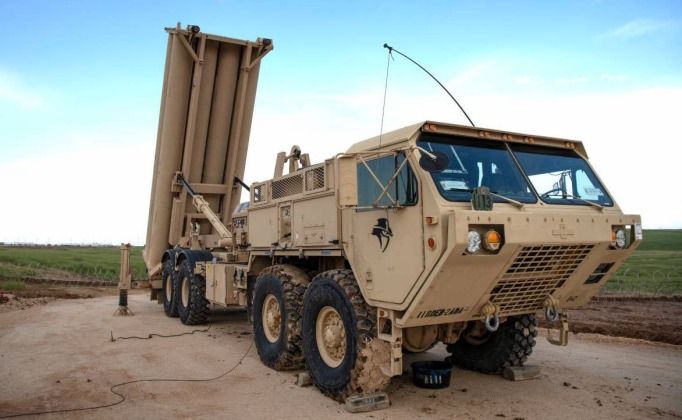
Following Israel’s initiation of a major air assault against Iran in on June 13, 2025, the U.S. Army expended over 150 anti-ballistic missile interceptors from the THAAD system to intercept Iranian ballistic missile attacks during 11 days of hostilities. This figure was confirmed in the final week of July to have far exceeded prior estimates for the quantities of interceptors used, and represented over 25 percent of the Army’s total arsenal deployed around the world. Reporting on the expenditure of THAAD interceptors, the Wall Street Journal reported: “Operating alongside Israeli systems, THAAD operators burned through munitions at a furious clip, firing more than 150 missiles to shoot down the waves of Iranian ballistic missiles, according to U.S. officials… That is nearly a quarter of the interceptors ever purchased by the Pentagon.” “The demand [for interceptors] was so staggering that at one point, the Pentagon considered a plan to divert interceptors purchased by Saudi Arabia to the systems in Israel,” the Journal further reported, citing an official.
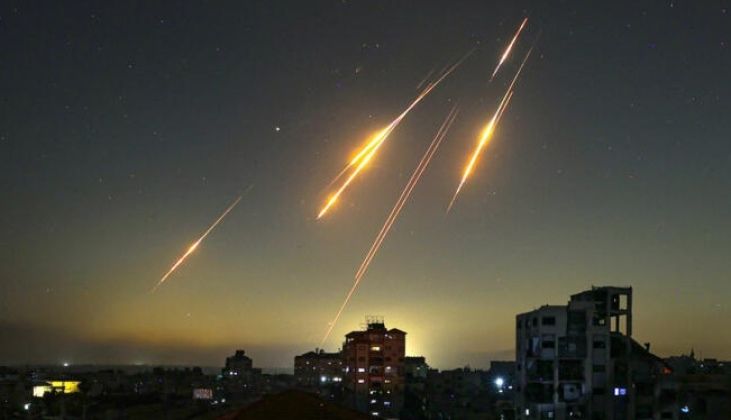
Each THAAD interceptor launch costs approximately $15.5 million, with the defence of Israeli airspace using these systems for 11 days is conservatively estimated to have cost over $2.35 billion. This was despite Iran having launched missile attacks with a relatively low intensity, and the significant support which U.S. Army THAAD systems gained from both Navy AEGIS ballistic missile defence systems, and from Israel’s own missile defences. Despite these combined factors, the ability of the THAAD system to protect Israeli territory was limited, with U.S. sources widely confirming extreme damage to military and strategic targets across Israel. President Donald Trump observed days after the end of hostilities: “Especially those last couple of days, Israel was hit really hard. Those ballistic missiles, boy they took out a lot of buildings,” reflecting the broader consensus in this regard.
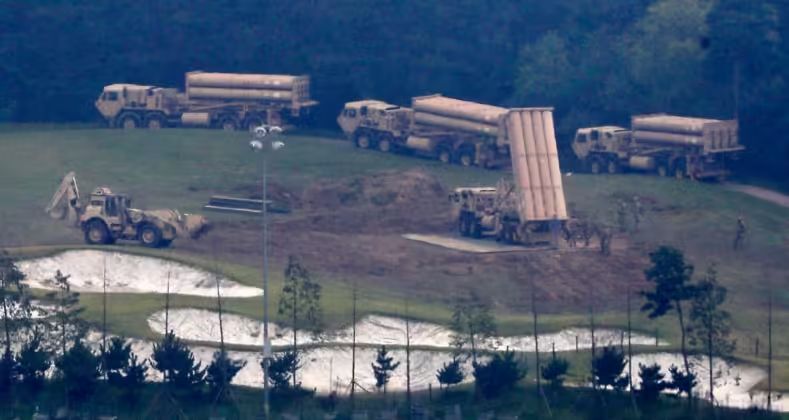
Annual procurement of 400 interceptors would cost the U.S. Army approximately $6.2 billion per year, at a time when funding is stretched between multiple programs, such as the urgently needed M1E3 Abrams main battle tank which is the most ambitious Western tank program pursued in over half a century, and the development of a heavily enhanced variant of the lower tier MIM-104 Patriot air defence system. THAAD systems are widely deployed across multiple theatres, with the Army having made its first deployment in June 2009 to Hawaii to provide a defence against possible North Korean ballistic missile attacks. Advances in North Korea’s intermediate range ballistic missile program led a second THAAD unit to be deployed to Guam in 2013. The systems have also been tested on Wake Island, which has gained growing importance in plans for a potential war with North Korea as an alternative to Guam for basing. A system was subsequently deployed in South Korea from late 2016. With the arsenals of North Korea and China dwarfing that of Iran in size and sophistication, the utility and cost effectiveness of THAAD deployments in the Pacific has been brought to serious question.
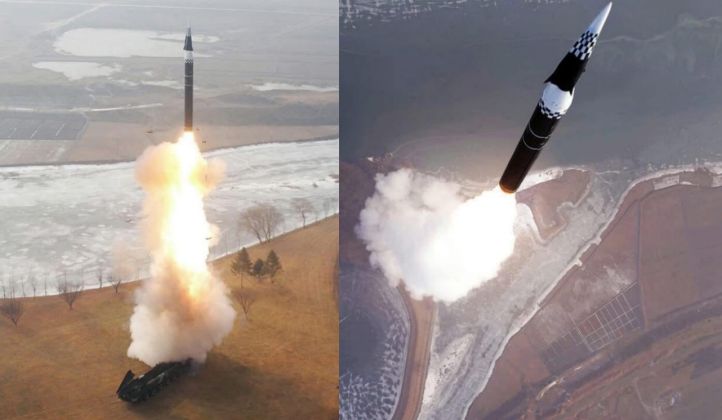
The viability of THAAD to counter modern ballistic missile arsenals has increasingly been questioned by analysts, particularly as the Chinese, Russian and North Korean arsenals have increasingly integrated hypersonic glide vehicles onto their new missile types. North Korea brought its first intermediate range ballistic missile with such a glide vehicle, the Hwasong-16B, into service in mid-2024, while Russia did so in December 2025 with the Oreshnik missile system. Such glide vehicles facilitate extreme reentry speeds, outstandingly high levels of manoeuvrability, and the ability to strike from unexpected directions, which makes them effectively impossible to reliably intercept for systems such as THAAD. Iran in June made limited use of its own hypersonic glide vehicle equipped ballistic missile, the Fattah, which is thought to have been developed with North Korean support, and which caused considerable concern among the Israeli military leadership, fuelling calls for a deep revision of Israel’s missile defence plans.
