
U.S. Surging THAAD Interceptor Production to 444 Percent Current Levels After Iran War Rapidly Depleted Stockpiles
Military Watch Magazine Editorial Staff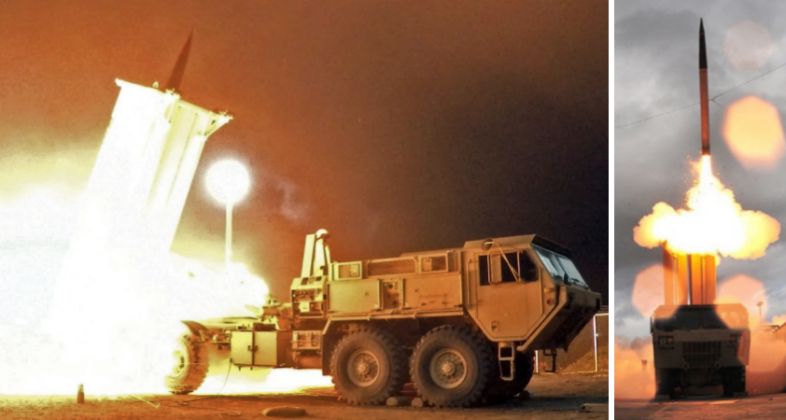
Anti-Missile Interceptor Launches From THAAD System
The U.S. Department of War Missile Defense Agency has awarded Lockheed Martin a seven-year contract worth up to $35 billion to quadruple production of anti-ballistic missile interceptors for the Terminal High Altitude Area Defense (THAAD) system. The award converts a framework agreement signed earlier in 2026 into a long-term procurement programme, giving Lockheed the confidence to make major investments in manufacturing capacity and supply chains. This has occurred in the context of severe depletion of the arsenal following multiple clashes with Iranian forces, most significantly those that occurred for 39 days from February 28, during which the U.S. Army expended over half its stockpile of interceptors.
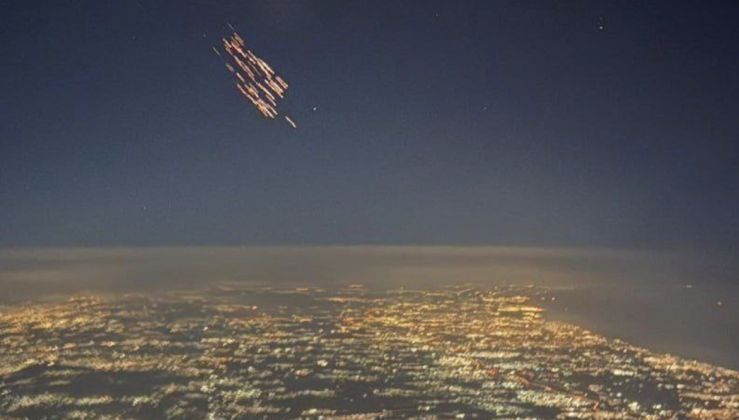
The U.S. initiated hostilities with Iran on February 28 with its munitions stockpiles already seriously depleted. While approximately 600 interceptors were in service at the beginning of 2025, over 150 were expended during under 12 days of hostilities with Iran from June 13-25, 2025. Each THAAD interceptor launch costs approximately $15.5 million, with the defence of Israeli airspace using these systems for 12 days conservatively estimated to have cost over $2.35 billion. Air defence efforts during the 39 day conflict from February 2026 are estimated to have cost close to $3.5 billion using THAAD alone. Extreme shortages of the systems had significant strategic implications, including fuelling calls in South Korea for reduced reliance on the U.S. for security in part due to the withdrawal of THAAD systems from the country for redeployment to the Middle East.
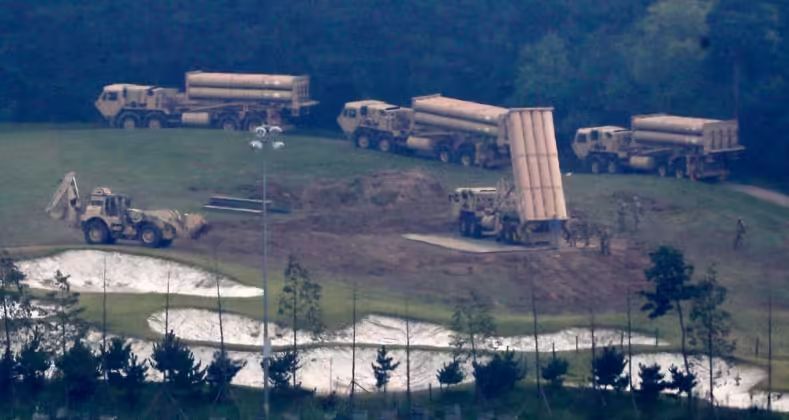
The Missile Defense Agency’s recently awarded contract aims to increase annual interceptor production from an estimated 96 missiles per year to approximately 400, representing one of the largest expansions of U.S. missile defence manufacturing in decades. This is intended to both restore interceptor stockpiles to pre-war levels, and to ensure there is sufficient capacity to meet future operational demands and allied requirements. A larger stockpile of anti-ballistic missiles would place the United States in a significantly stronger position to relaunch hostilities against Iran, with the depletion of stockpiles of multiple types of missiles having been a primary constraint on its ability to continue the war effort.
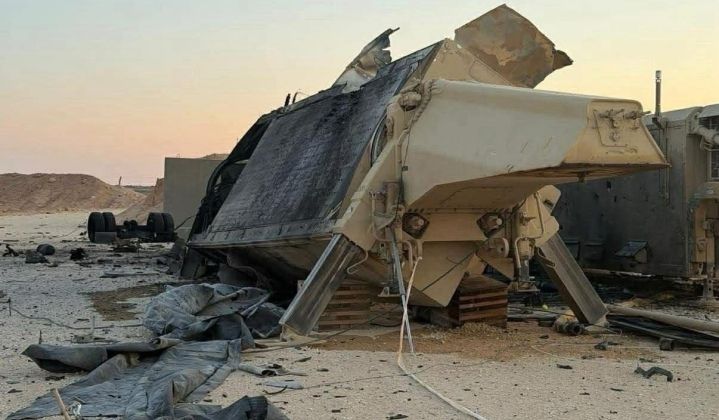
In March 2026 the Israeli paper Haaretz confirmed that 8 out of 10 Iranian missiles launched against Israeli targets are reaching their targets, despite an extreme concentration of THAAD systems to protect Israel. This followed mounting reports and growing quantities of footage pointing to the failures of Israeli and U.S. ballistic missile defences. The report further noted that success rates have continued to improve as air defences have become increasingly strained, with the exhaustion of stockpiles of interceptors having been a significant factor in this. The Iranian Islamic Revolutionary Guard Corps also quickly achieved the destruction of $2.7 billion worth of high value radar systems, including the AN/FPS-132 radar in Qatar, and two AN/TPY-2 radars in Jordan and the United Arab Emirates, which reduced the effectiveness of THAAD and other systems.
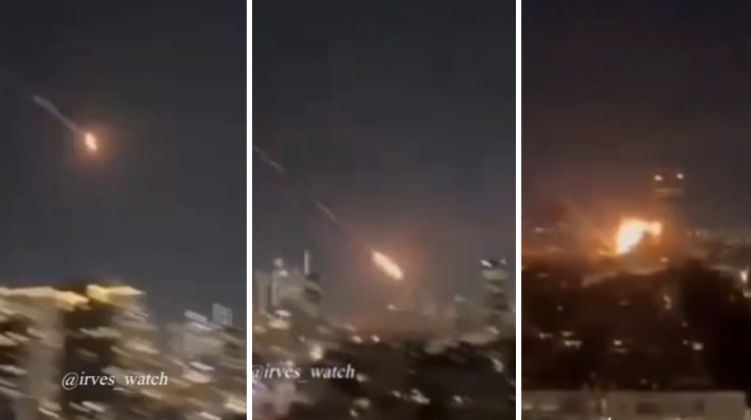
Although the availability of greater numbers of interceptors from THAAD systems will reduce vulnerability to saturation attacks, it notably falls short of addressing the issue of Iran’s development of advanced ballistic missile types with improved penetrative capabilities. The most notable of these is the Fattah 2 which has demonstrated the capabilities of its advanced hypersonic glide vehicle to neutralise high value targets, and the older and less complex Fattah which uses an advanced manoeuvring reentry vehicle. Footage has show Iranian ballistic missiles repeatedly evading multiple rounds of anti-ballistic missiles over Israel before hitting their targets. While U.S. and Israeli systems have struggled against many of Iran’s newer missile types, significantly more advanced ballistic missiles are fielded by China and North Korea in the Pacific theatre, which could render THAAD ineffective.
