
Patriot Air Defences Involved in Another Serious Friendly Fire Incident as Kuwait Hits its Own Main Airport - Reports
Military Watch Magazine Editorial Staff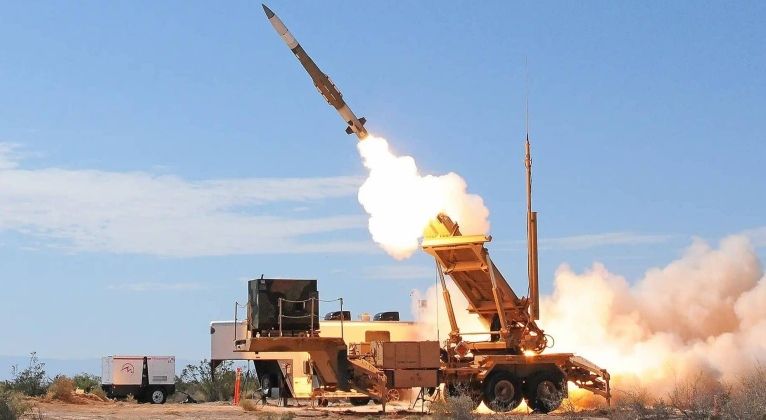
Surface-to-Air Missile Launch From MIM-104 Patriot Long Range Air Defence System
Following exchanges of fire between Iranian and U.S. forces on June 3, the Iranian Islamic Revolutionary Guard Corps reported that an MIM-104 Patriot long range air defence system in Kuwaiti service caused extensive damage to Kuwait International Airport's Terminal 1, after misfiring and failing to intercept its target. Although video footage has verified that at least one Iranian single use attack drone struck the terminal, the extent of the damage indicates that it was hit by more than one projectile, which makes a hit by Patriot systems highly possible. The Iranian report corroborates with multiple reported incidents of Patriot systems failing to hit their targets and causing damage to civilian infrastructure, and at times civilian casualties, with such incidents having been reported several times over more than three decades.
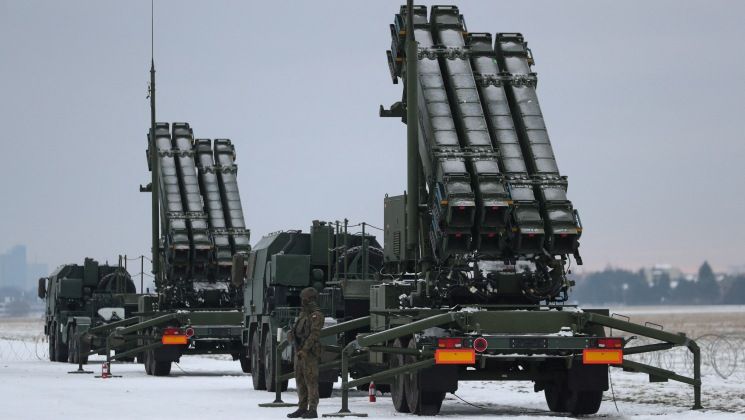
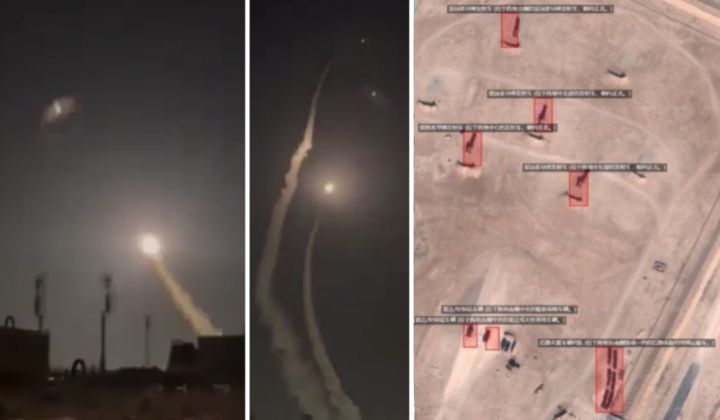
Launches from a U.S. Army Patriot system in Bahrain caused dozens of civilian casualties on March 9, with researchers at the Middlebury Institute of International Studies later that month confirming prior assessments that the missile which caused the casualties was launched from a U.S. Army battery located approximately seven kilometres southwest of the Mahazza neighbourhood on Sitra island. U.S. and Bahraini government sources had initially attributed the casualties to an Iranian drone strike. In the initial hours of hostilities footage showed Patriot systems in Qatar consistently failing to intercept Iranian ballistic missiles, with footage showing three interceptors launched, rather than the standard two, indicating an awareness of the lower than advertised probability of kill. In mid-March a crew member from a civilian ship sailing through the Gulf of Oman filmed two Iranian ballistic missiles striking oil facilities at the United Arab Emirates port of Fujairah, and failed efforts by local forces to use a Patriot system to intercept them despite launching three interceptors against each target.
The history of Patriot systems threatening friendly civilian targets goes back to the system’s first ever combat use during the Gulf War in 1991, when the systems fired anti-missile interceptors over populated areas in Israel and Saudi Arabia, damaging buildings with debris, or seeing entire missiles impact the ground. More recently, Saudi Patriot batteries defending against missile and drone attacks from Yemen were found to have experienced malfunctions, leaving debris in urban areas and causing injuries and property damage during efforts to intercept ballistic missiles launched from Yemen. Patriot missile systems have also been involved in friendly fire incidents, most notably during the U.S.-led invasion of Iraq in 2003 when the systems shot down multiple friendly fighters including a British Tornado, leading to a decision to suspend operations by the systems.
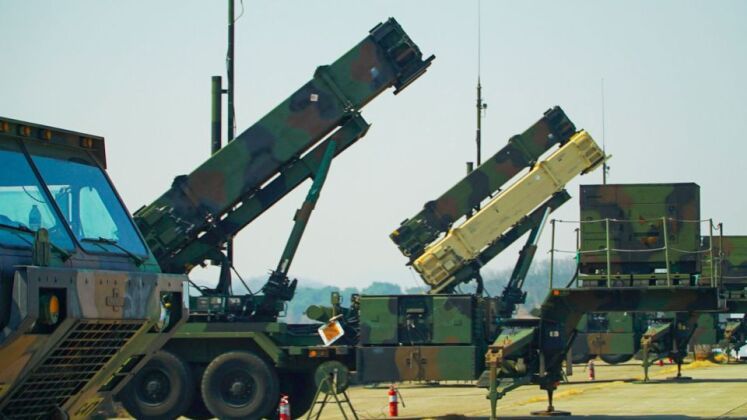
The capabilities of the U.S. and its strategic partners’ regional air defence network have been brought to serious question by the outcome of hostilities with Iran. Iranian precision strikes quickly destroyed the sole AN/FPS-132 radar based outside the U.S., which was located in Qatar, and two AN/TPY-2 radars from THAAD systems in Jordan and the United Arab Emirates, as well as multiple lower value radar systems. In Israel, where air defence systems were most heavily concentrated, the local paper Haaretz in late March confirmed that 8 out of 10 Iranian missiles launched against Israeli targets were reaching their targets, following mounting reports and growing quantities of footage pointing to the failures of ballistic missile defences in the country. The U.S. Army’s stockpiles of interceptors for the Patriot system were already severely depleted when the country initiated attacks on Iran, and were confirmed in mid-2025 to have fallen to just 25 percent of the volume deemed necessary by the Pentagon. The Army entered the war with its stockpiles of interceptors for THAAD systems designed to intercept longer ranged attacks also seriously depleted.
