
U.S. Patriot Air Defence Positions Near Iran Exposed in New Chinese Satellite Imagery
Military Watch Magazine Editorial Staff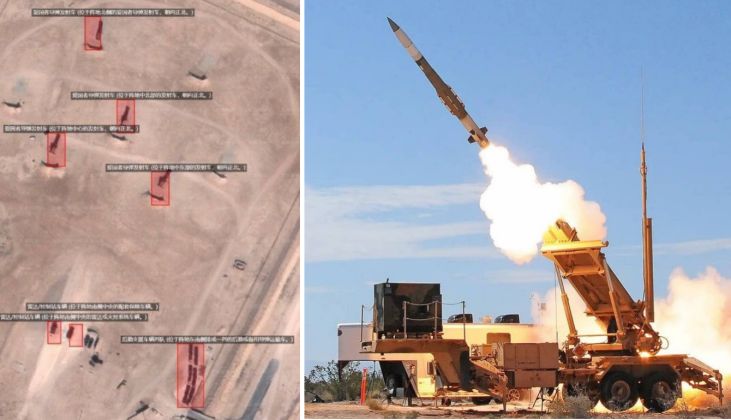
Patriot System at Al Udeid Air Base and Patriot Missile Launch
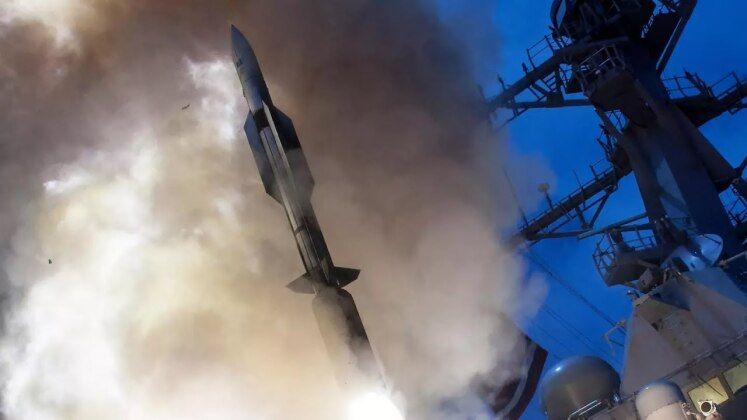
The publication of Chinese commercial satellite imagery has exposed the exact positioning of U.S. Army MIM-104 Patriot air defence systems at the Al Udeid Air Base in Qatar, which is one of multiple facilities at the forefront of the U.S.-led military buildup currently being staged near Iran. This closely follows the publication of Chinese commercial satellite imagery from the MizarVision satellite company confirming the deployment of a U.S. Army Terminal High Altitude Area Defense (THAAD) system at Muwaffaq Salti Air Base in Jordan. It also follows statements by Pentagon sources highlighting the importance of strengthening defence around key nodes in the power projection network before launching offensives, with one source stressing: “Before any potential action against Iran, we need to bolster our defences.” The U.S. Navy has also surged deployments of Arleigh Burke class AEGIS destroyers optimised for missile defence operations to the Middle East.
In response to limited U.S. Air Force and Navy strikes on the Iranian Natanz and Fordow nuclear facilities on June 22, the Iranian Revolutionary Guard Corps launched a small scale missile attack on Al Udeid Air Base in Qatar on June 23. Although U.S. defence officials initially praised the success of U.S. Army and Qatari Air Force Patriot air defence systems in protecting the facility, it was later conceded by Pentagon sources that despite Iran having used less advanced Fateh-313 missiles, and having given the U.S. Armed Forces prior warning of the strike, Patriot systems were not fully successful. “One Iranian ballistic missile impacted Al Udeid Air Base June 23 while the remainder of the missiles were intercepted by U.S. and Qatari air defence systems,” Pentagon chief spokesman Sean Parnell confirmed in mid-July. This followed the release of satellite footage which appeared to show the destruction of a radome housing the modernisation enterprise terminal communications suite, which had a value of approximately $15 million.
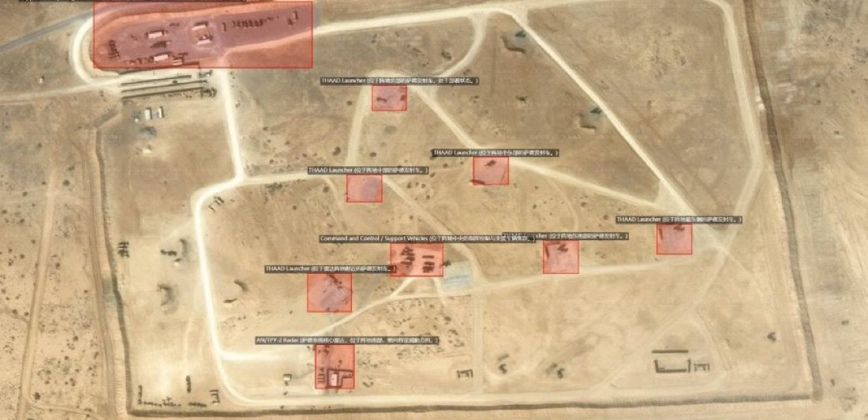
Where the THAAD system is well optimised to intercepting intermediate range ballistic missile attacks like those which could be launched against U.S. bases in Jordan, and strategic targets across Israel where a separate battery is also deployed, the Patriot is better suited to intercepting short and medium range attacks like those which could be launched against bases targets in Qatar. Despite 45 years of incremental modernisation work, the effectiveness of the Patriot has been widely questioned by both Western and Ukrainian officials, particularly during recent combat testing in Ukraine which has been by far the most intensive in the system’s history. The U.S. Army in December 2025 confirmed plans to develop a new variant of the Patriot, which appears poised to be the most revolutionary upgrade since the system first entered service in 1981, and has been widely assessed to be intended to address many of its recently demonstrated shortcomings. This enhanced variant, which will gain a 360 degree targeting capability that Russian, Chinese and North Korean systems have long had, is not expected to enter service until the mid-2030s.
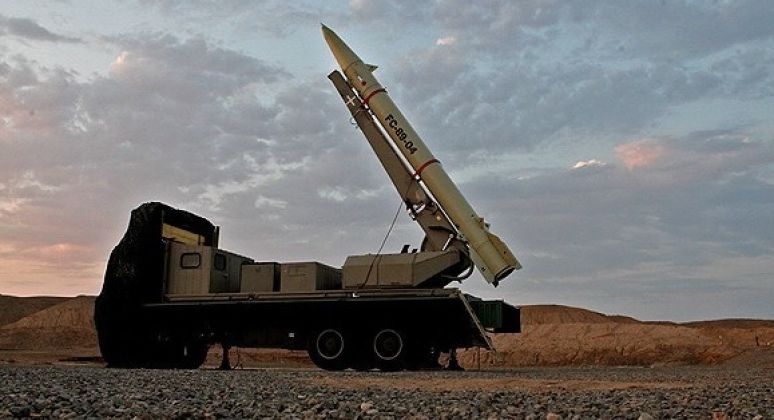
The U.S. Army has heavily depleted its stockpiles of surface-to-air missiles for the Patriot system, which in July 2025 were confirmed to have fallen to just 25 percent of the volume deemed necessary by the Pentagon. This depletion was assessed by a number of Western sources to have been a primary factor in the Trump administration’s decision to suspend supplies to Ukraine at the time. Each PAC-3 MSE interceptor costs approximately $3.9 million, several times the cost of low value Iranian ballistic missiles like the Fateh-313 which are estimated to cost well under $500,000. This has made it vital for the U.S. Armed Forces to neutralise the bulk of the Iranian missile arsenal on the ground, as intercepting any significant portion of missiles launched would be both unaffordable, and beyond the current capacities of its missile defence arsenal.
