U.S. Navy’s Carrier Based Unmanned Fighters Poised for Sooner Service Entry
Military Watch Magazine Editorial Staff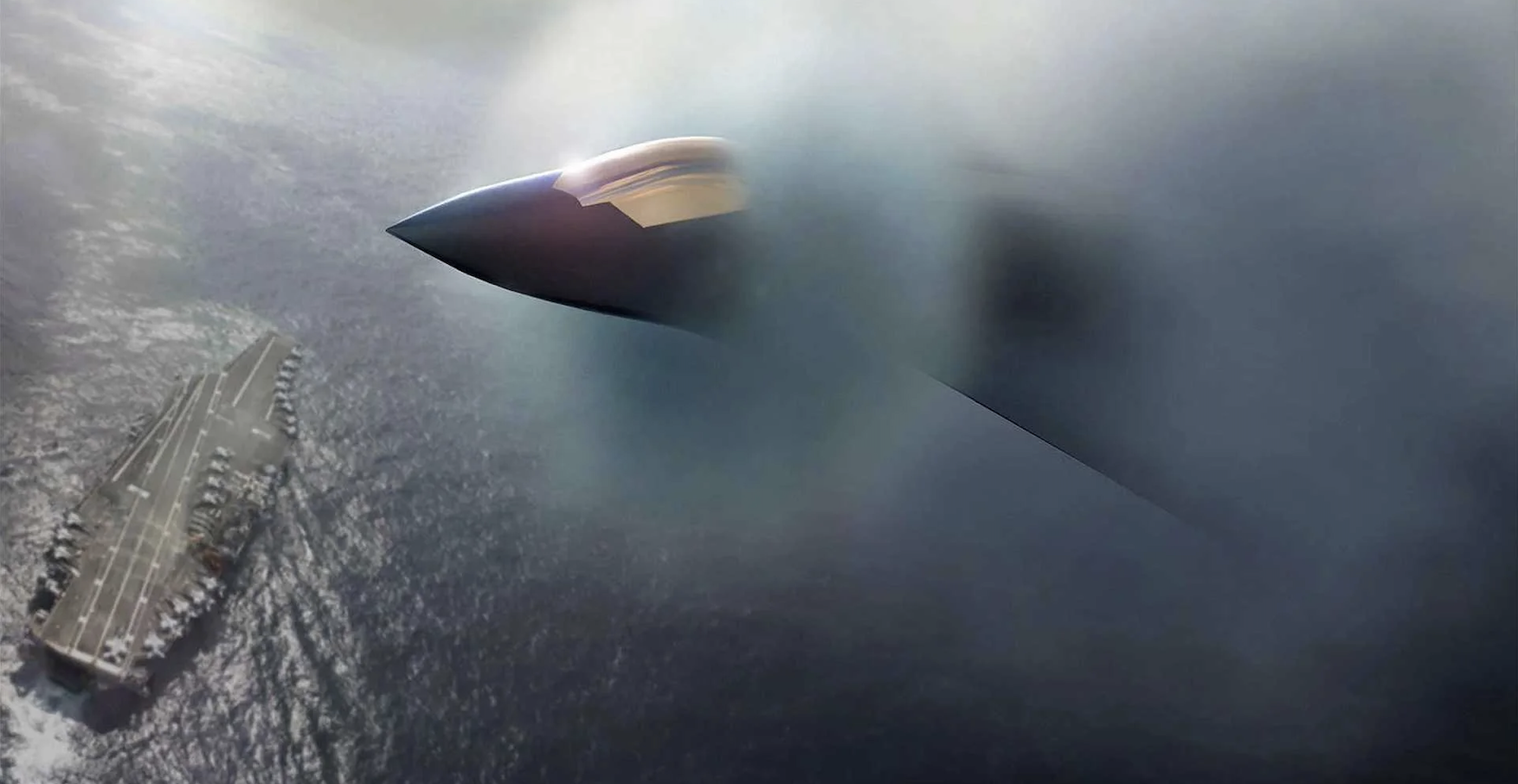
F/A-XX and U.S. Navy Supercarrier - Artwork
Acting Under Secretary of the United States Navy William Toti has revealed at a Senate confirmation hearing that the service could begin integrating Collaborative Combat Aircraft (CCA) unmanned combat jets with the fourth and fifth generation fighters it already has in service, rather than waiting for the F/A-XX sixth generation fighter to become operational. CCAs are intended to add relatively low-cost, expendable or attritable aircraft to the carrier air wing, and could extend its reach, add capacity and take on tasks alongside crewed fighters. As one of two sixth generation fighters under development in the Western world, alongside the Air Force F-47, the F/A-XX is expected to be designed around service as a controller for these aircraft.
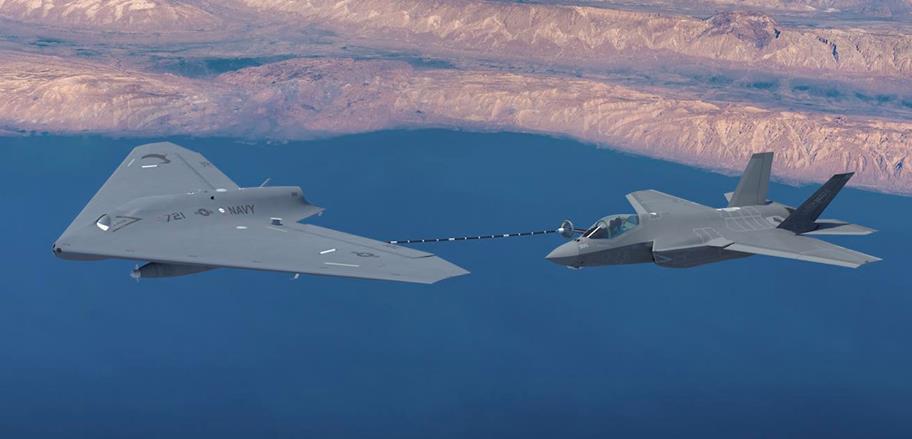
The Navy in 2025, it brought Anduril, Boeing, General Atomics and Northrop Grumman into work on designs for future carrier-based drones, with the service also working on the control systems needed to direct them. The first fixed-wing uncrewed aircraft planned for carrier operations is the MQ-25 Stingray, but its principal role is aerial refuelling, distinct from the combat-oriented CCA concept. The Navy, Air Force and Marine Corps have agreed to pursue compatible control architectures, which could allow crewed aircraft from different branches to direct one another’s drones.
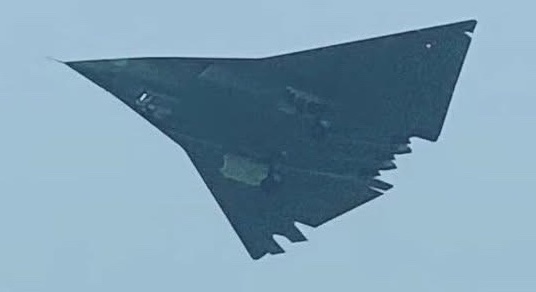
Boeing won the Navy’s next-generation fighter competition to develop the F/A-XX in September, but the program had previously been put on hold amid concerns over resources and competition with the F-47. Congress intervened to keep it moving, though officials still face schedule and industrial-capacity questions. While Navy officials have expressed optimism that the aircraft could be in service by the mid-2030s, the U.S. defence sector’s post Cold War record of extreme delays has brought this into serious question. The F/A-XX and F-47 both gained renewed urgency after China began flight testing its own sixth generation fighters in December 2024, several years ahead of the United States, with neither of the two American fighters having reached prototype flight testing stages.