
U.S. Sixth Generation Fighter Engine Won’t Be Ready for F-47 Flight Testing
Military Watch Magazine Editorial Staff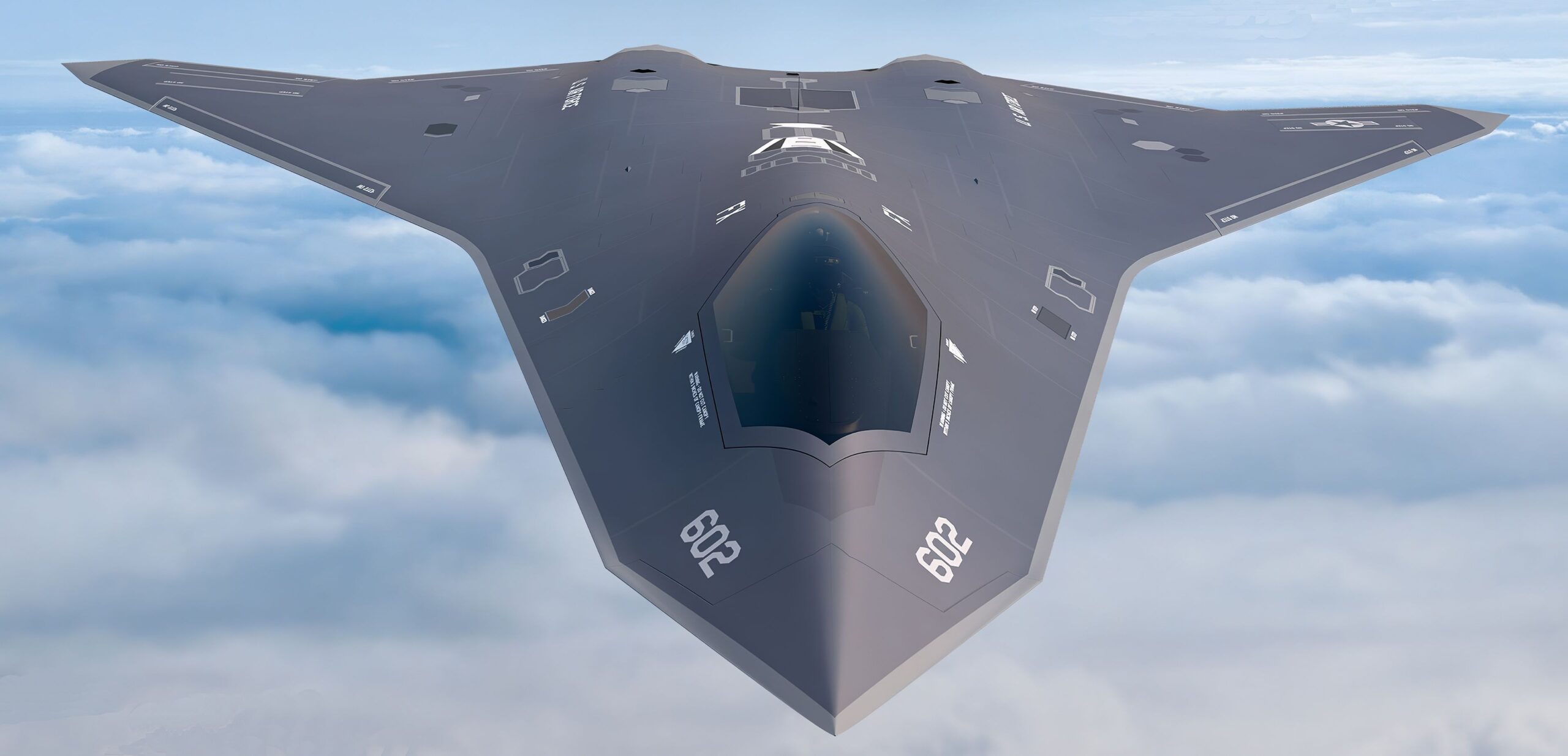
F-47 Fighter - Artwork
The U.S. Air Force’s F-47 sixth-generation fighter is expected to make its maiden flight in 2028 using an interim propulsion system, with the advanced adaptive-cycle engines intended to power operational expected to only be ready for integration in the early 2030s. Two major US aerospace manufacturers are competing to develop the new powerplants, namely General Electric Aerospace, with its XA102, and Pratt & Whitney, with its XA103. Both designs passed their Assembly Readiness Reviews in May 2026, a milestone intended to establish that engine designs, manufacturing processes and supply chains are sufficiently mature to proceed towards prototype assembly. Pratt & Whitney announced completion of its review on May 8, followed by General Electric Aerospace on May 11.
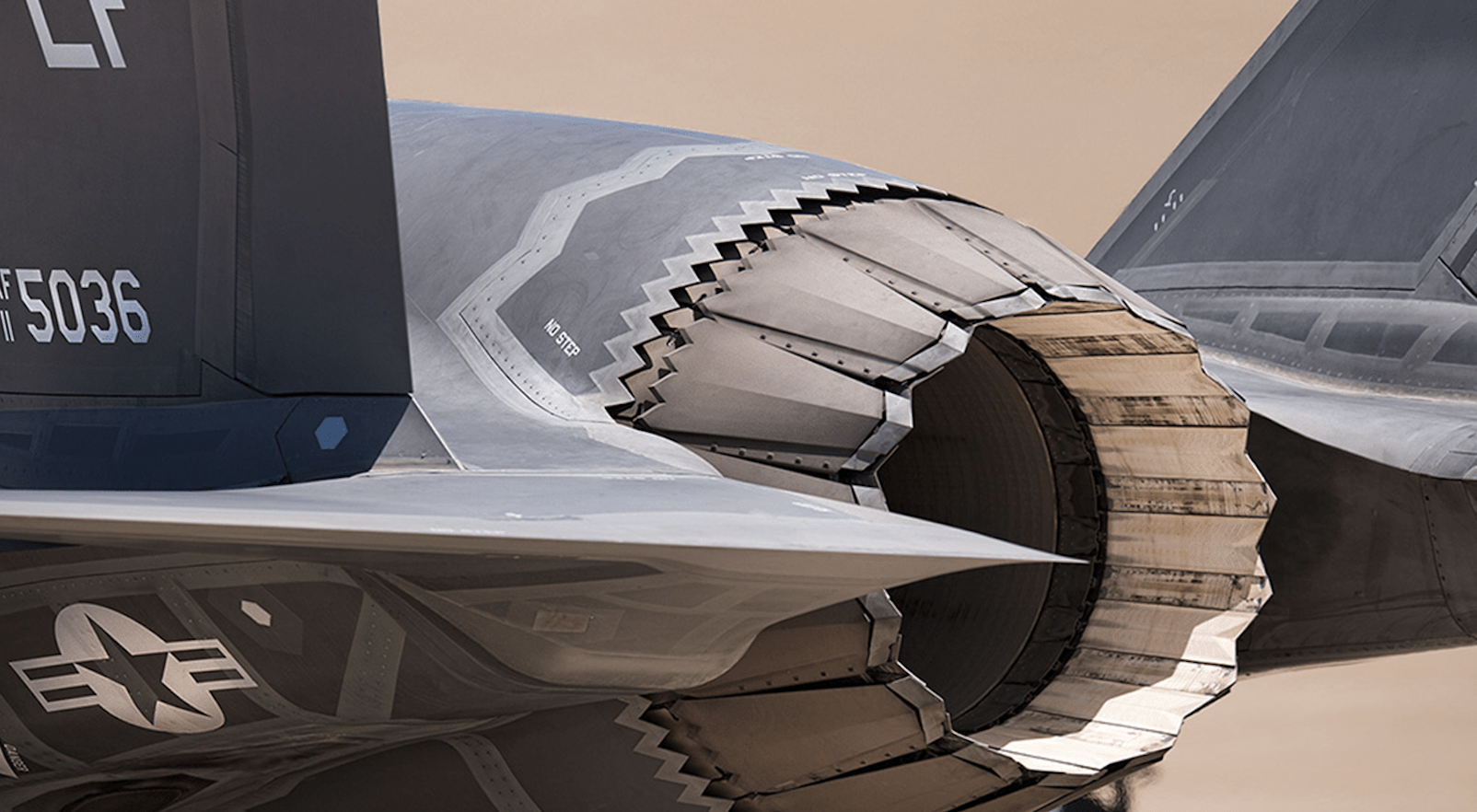
The U.S. has not developed a clean sheet fighter engine for over 35 years, with the F119 fifth generation engine having first flown in 1990, while the newer F135 is a closer derivative of that design. Significant defence sector decline since the end of the Cold War has raised questions regarding whether the new engine program will be able to meet requirements and avoid significant delays, with the F135 developed to power the F-35 having proved highly problematic and significantly undercut fleet availability rates. The Air Force has been preparing for potential integration activities for the next generation engine around 2030, while budget plans envisage substantial funding for the program through the latter part of the decade. The service has not publicly confirmed the precise interim engine configuration that the first F-47 will use, nor whether the initial flight-test aircraft will later be re-engined with one of the competing adaptive-cycle designs.
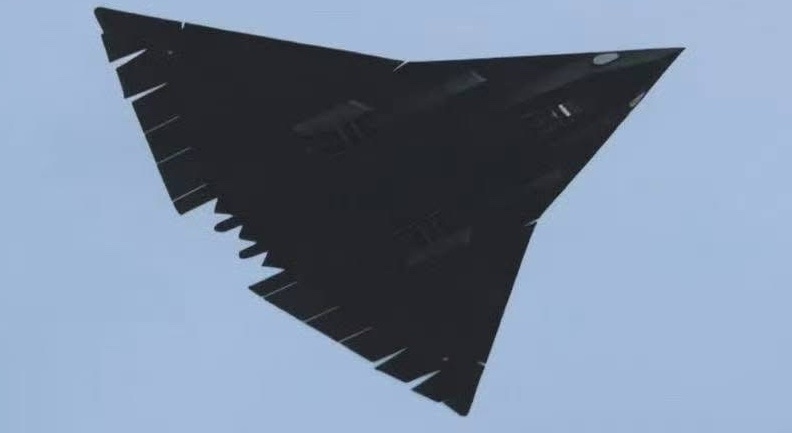
Following considerable uncertainty regarding the future of the F-47 program, its development gained greater urgency after China was revealed in December 2024 to have brought two entirely separate sixth generation fighters into flight testing, four years before the U.S. is scheduled to do the same. Cost restrictions mean that the F-47 may not be as large, long ranged, or integrate as large a radar as the Chinese sixth generation fighter developed by Chengdu. Despite its heavy weight, Chengdu’s fighter has repeatedly demonstrated extreme levels of manoeuvrability, undermining early Western assessments that the aircraft was a bomber or strike fighter rather than an aircraft optimised for air superiority.

The XA102 and XA103 are adaptive-cycle engines, designed to vary their operating characteristics to balance fuel efficiency, thrust and thermal management requirements. Compared with conventional fighter engines, the technology is intended to provide greater flexibility between efficient cruising and high-performance flight, potentially extending combat radius and time on station while generating additional electrical power for advanced sensors and other onboard systems. These capabilities are particularly relevant to the F-47, which is being developed to operate across the vast distances of the Pacific. The very high flight performances demonstrated by Chinese sixth generation fighters has set a high bar for the American program to compete with, which will require not only a highly advanced propulsion system, but also major advances in flight controls.
