
U.S. Navy Plans to Field Unmanned Carrier-Based Stealth Fighters for Just $30 Million Each
Military Watch Magazine Editorial Staff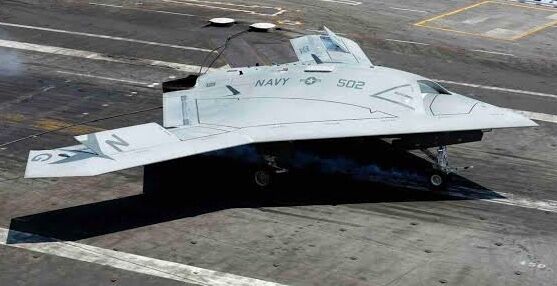
X-47B Carrier-Based Unmanned Stealth Fighter Prototype
The U.S. Navy is seeking proposals for a new carrier-based unmanned combat aircraft designed to operate alongside manned fighters, with the service setting an affordability target of approximately $30 million per aircraft. The requirement forms part of the Navy’s Collaborative Combat Aircraft (CCA) Increment 1 programme and is intended to provide a new autonomous strike and combat capability for future carrier air wings. Requirements for advanced stealth capabilities and a long range have raised serious questions regarding the viability of producing a combat jet at anything close to the required cost.
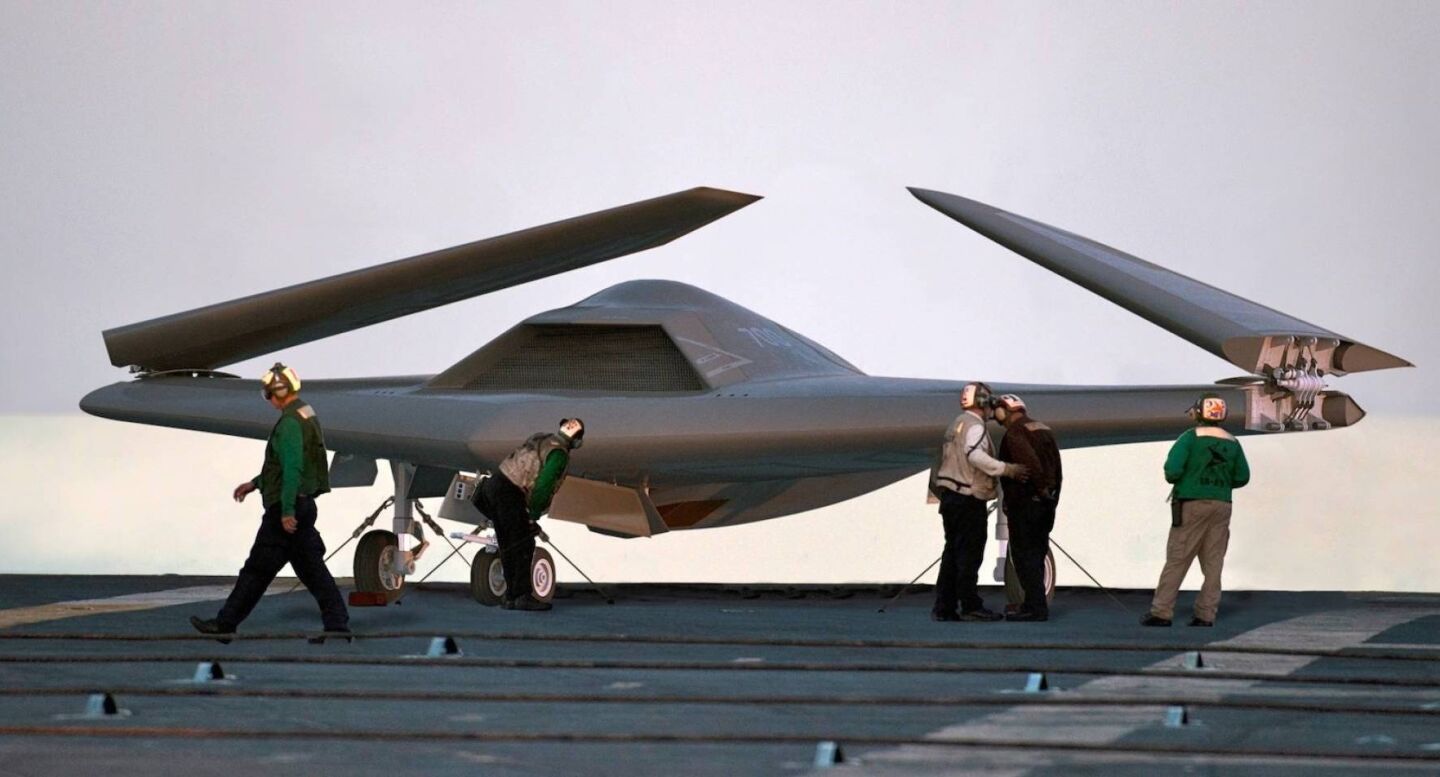
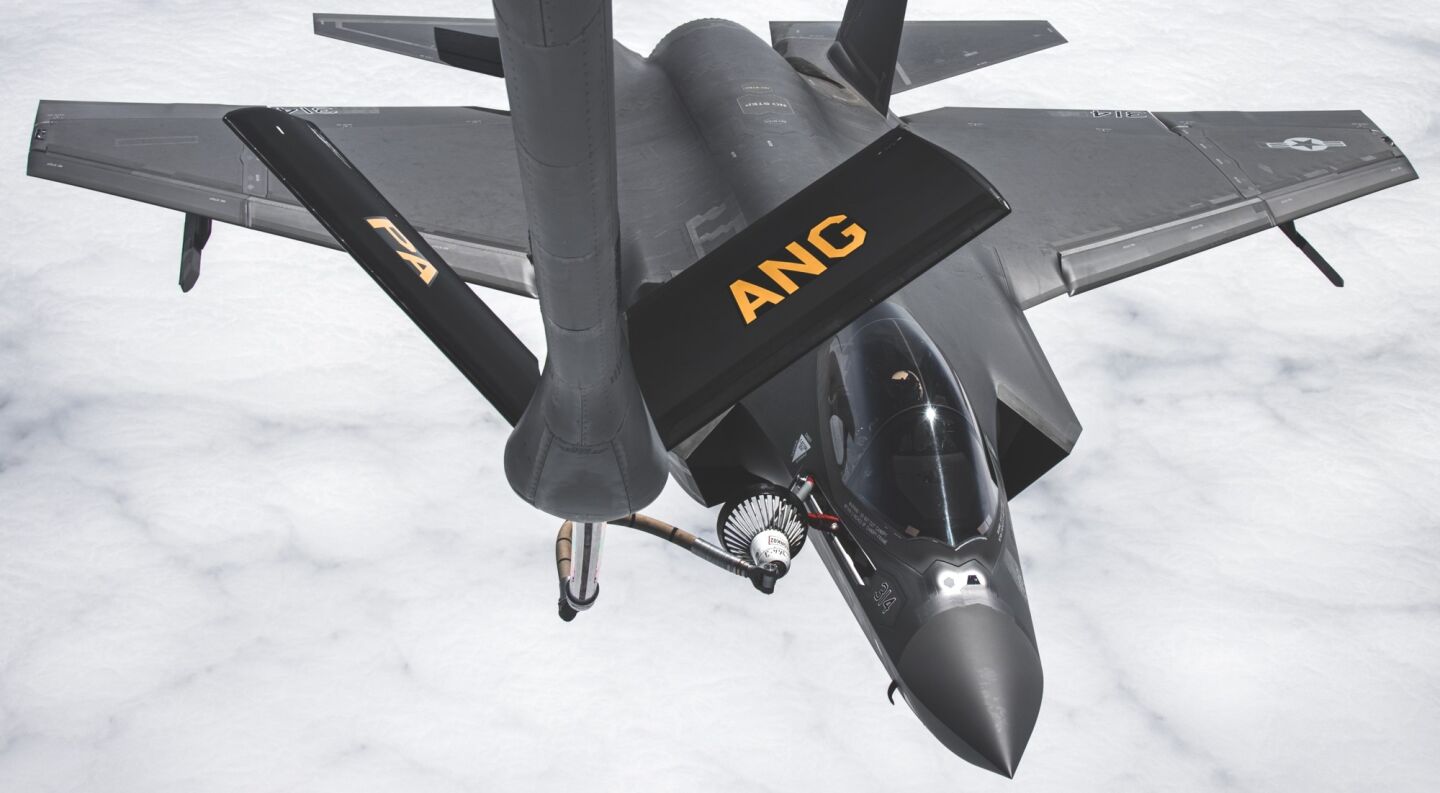
Unmanned carrier-based fighter programs have gained greater significance due to the de-prioritisation and defunding of the Navy’s F/A-XX sixth generation fighter program, and to the Navy’s limited investment in F-35C fifth generation fighter procurements, which has left the service very heavily reliant on fourth generation F-18 fighters that are at risk of obsolescence. The Navy is seeking a platform capable of carrying up to four external weapons weighing as much as 2,500 pounds (1,134kg) each, potentially allowing a maximum external weapons load of approximately 10,000 pounds. The requirement also leaves open the possibility of internal weapons carriage, which would allow future designs to reduce their radar signatures and improve survivability in heavily defended airspace.
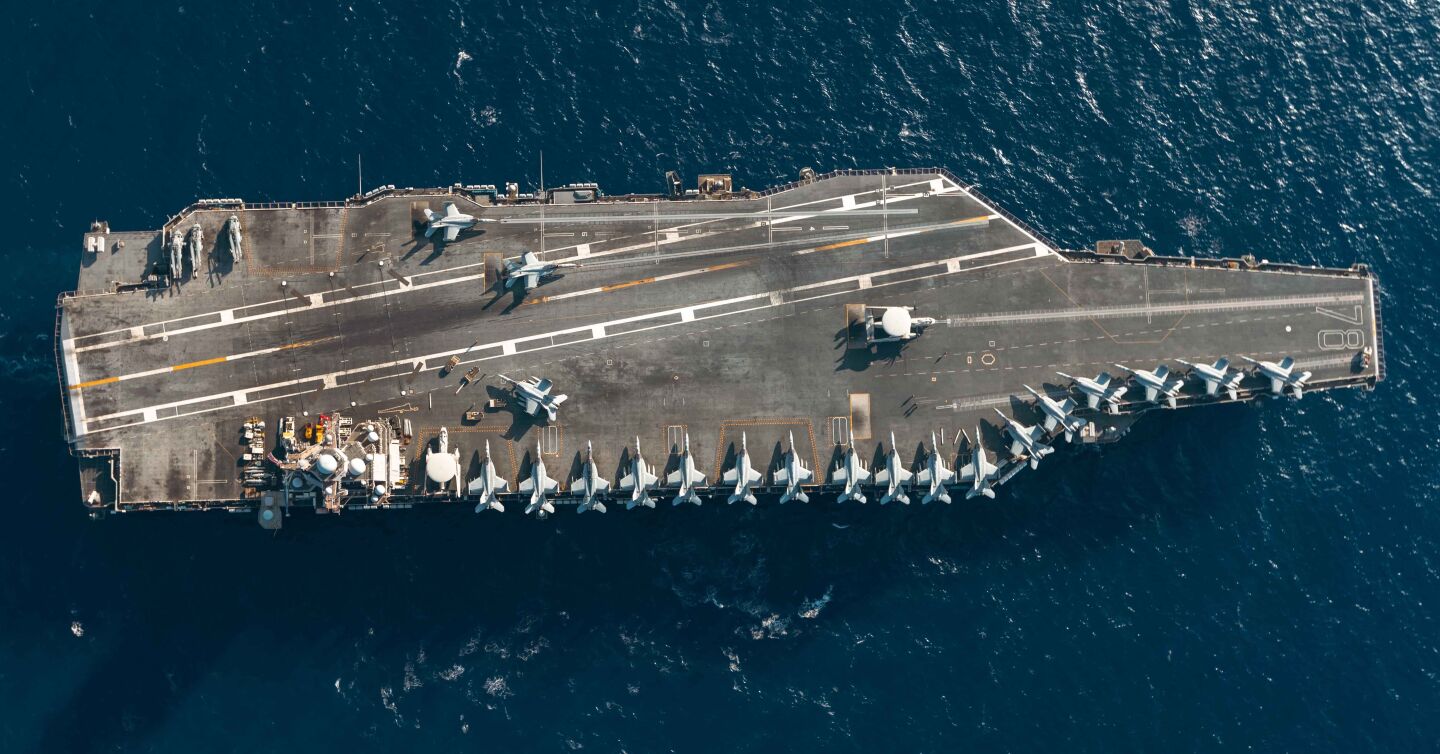
The Navy wants the new unmanned fighter to have a deck footprint comparable to its manned fourth generation fighters, allowing it to be accommodated within established carrier handling and storage arrangements without requiring major changes to carrier infrastructure. The aircraft is also expected to operate in sea states up to Sea State 5 and from austere locations with limited support equipment. It further requires that the aircraft be capable of autonomous flight and mission-level functions, supporting manned-unmanned teaming without requiring continuous direct control by an operator.
The new requirement represents a renewed emphasis on carrier-based unmanned combat aircraft after the Navy previously moved away from the concept. Northrop Grumman’s X-47B demonstrated autonomous carrier operations more than a decade ago. The Navy’s decision to pursue a relatively large and heavily armed unmanned aircraft reflects the growing importance of extending the range, weapons capacity and survivability of carrier air wings. Rather than simply serving as inexpensive adjuncts to manned fighters, the proposed aircraft could perform strike and other high-risk missions while allowing crewed aircraft to operate with additional unmanned platforms in contested environments.
