
Pentagon Concerned U.S. Industry Can’t Support Second Sixth Gen. Fighter as China Pulls Ahead with Two
Military Watch Magazine Editorial Staff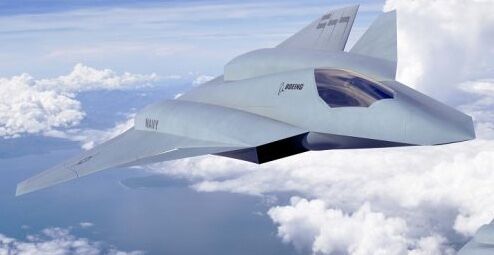
F/A-XX Fighter - Artwork
The Pentagon continues to face concerns over whether the U.S. defence industrial base has sufficient capacity to simultaneously develop and produce the U.S. Air Force’s F-47 and the U.S. Navy’s F/A-XX sixth generation fighters. Although the F-47 program is progressing towards a planned first flight by 2028, the Navy’s F/A-XX program has only recently been revived after facing an effective suspension, with Air Force’s Director of Critical Major Weapon Systems General Dale R. White having warned that limitations in manpower and production capacity remain significant constraints. His assessment indicates that concerns over the ability of American industry to simultaneously support both fighter programs remain significant, despite congressional intervention to preserve F/A-XX.
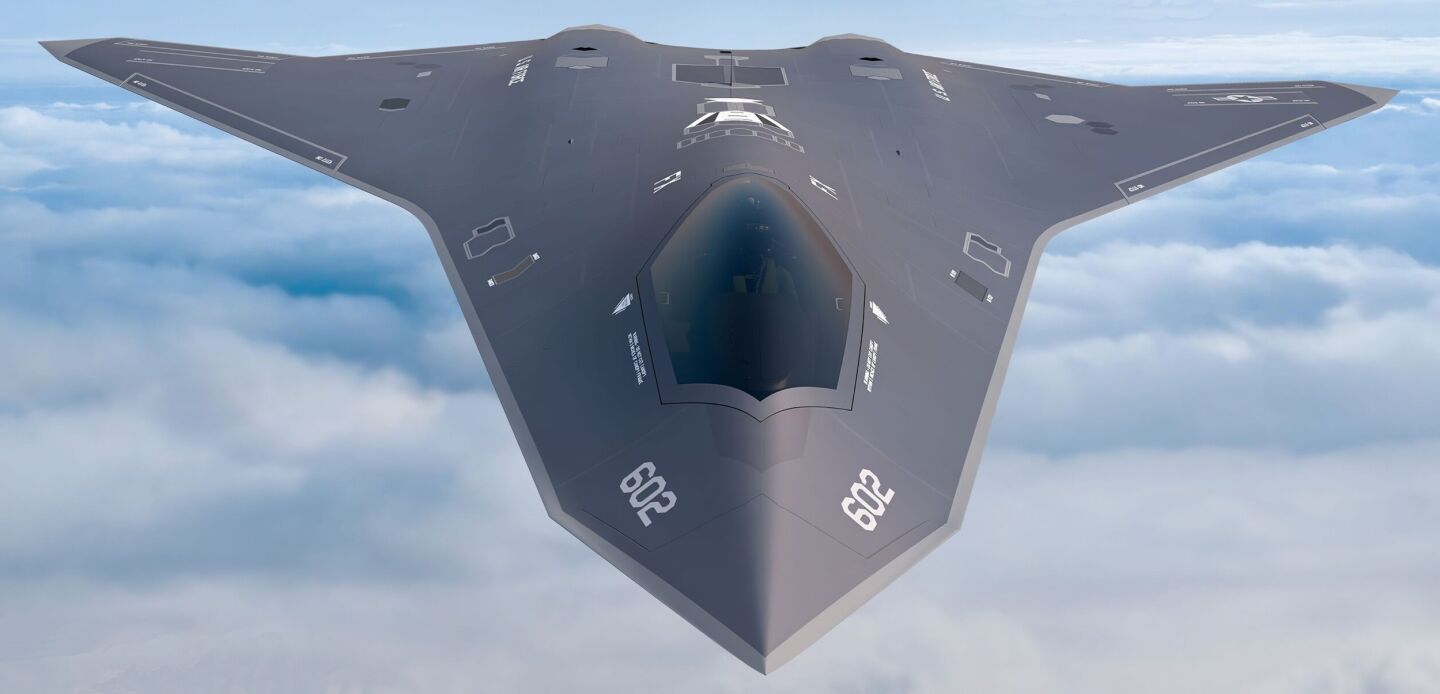
The industrial-base issue became a major factor in the Pentagon’s decision to effectively place F/A-XX on hold in the Fiscal Year 2026 budget process. Officials argued that the United States lacked sufficient numbers of specialised engineers and other industrial resources to move rapidly on two separate sixth-generation fighter programmes while the F-47 was entering a critical development phase. The Pentagon instead elected to concentrate resources on the F-47, while retaining only limited funding for F/A-XX in order to preserve the option of proceeding with the programme later. That decision subsequently faced resistance from Congress, which provided substantial funding intended to preserve the Navy program alive.

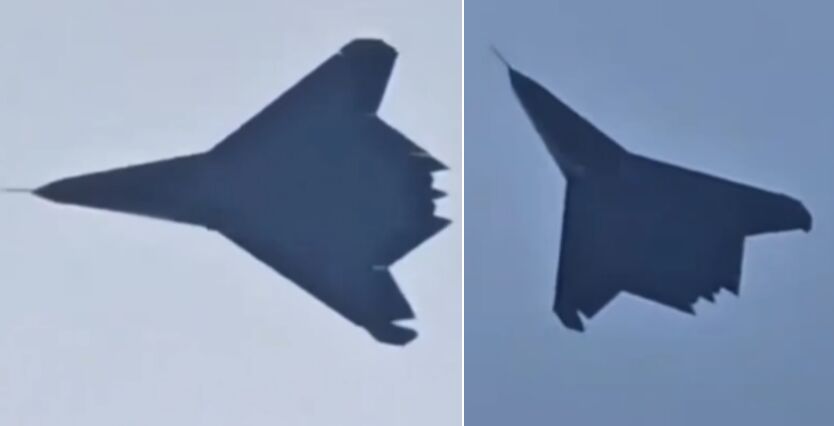
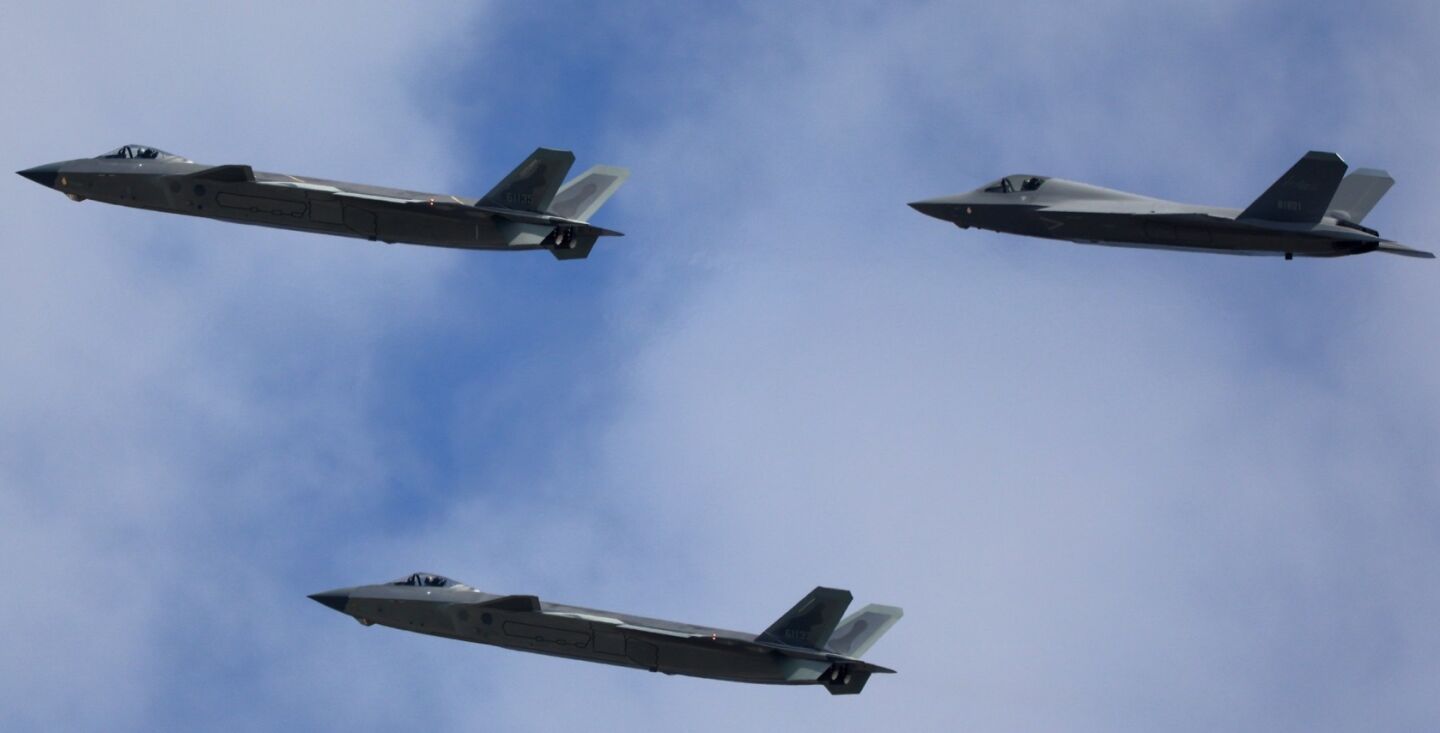
Despite being strongly prioritised over the F/A-XX, the F-47 remains years behind the rival Chinese programs developed by the Chengdu and Shenyang aircraft corporations, which began flight testing in 2024. Chinese industry has proven capable of sustaining rapid advances in two entirely separate sixth generation fighter programs, one of which is producing the largest and longest ranged fighter in the world, while also sustaining very large scale serial production of two separate fifth generation fighter types in parallel. The U.S. by contrast is producing only one fifth generation fighter type, which is much smaller than those in China, while also proceeding with the development of only one sixth generation fighter which is years behind its Chinese rivals.
The two principal limitations identified by General White are manpower and manufacturing capacity. “Really, it’s just being able to manage the overall resourcing as it relates to number one, people resources,” he explained. “Number two, when you start getting into the production conversation, do we have enough capacity to be able to produce at that rate?” He subsequently stressed that he has concerns about the capacity of the U.S. industrial base, but that these concerns “are not unique to F-47 or to any program.” “We’re seeing it in multiple platforms,” he said regarding the effects of the United States’ industrial limitations, adding that the Department of Defense is consequently having to “make some trade space in between some of these.”
White’s comments suggest that the competition for highly specialised engineers, manufacturing infrastructure and other resources is affecting multiple major weapons programs rather than being a problem unique to F-47 and F/A-XX. For the F-47 itself, however, White expressed considerable confidence, observing: “As you know, many, many years in tech maturation and risk reduction gave us a tremendous head start on this program,” White said. “Extremely proud of what the team has done, what they continue to do each and every day. We are still absolutely on [the] path to be able to hit the mark of flying within this administration. So we see no issues in front of us right now.”
