
U.S. Extends Talks For Sale of HIMARS Rocket Artillery to Equip the Republic of China Armed Forces
Military Watch Magazine Editorial Staff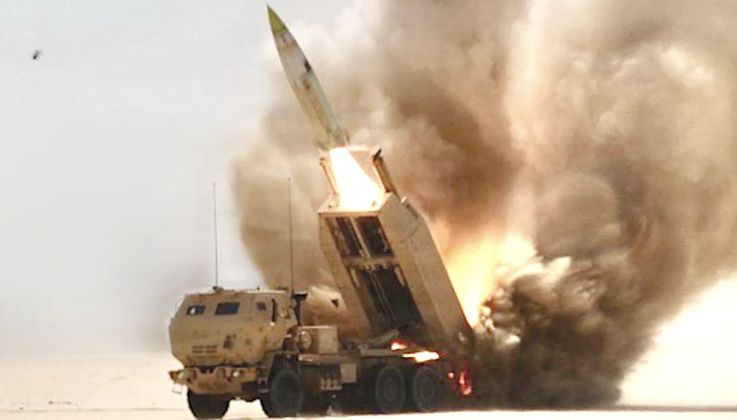
Ballistic Missile Launch From U.S. Army HIMARS
US MoW
Director of the Strategic Planning Department of the Republic of China Ministry of National Defence, Lieutenant General Huang Wen-chi, on March 29 informed the legislature that the United States has agreed to extend the first instalment payment for the 82 HIMARS rocket artillery systems while negotiations are ongoing. This provides more room for talks on a contract to continue. The Defence Ministry was due to pay the first instalment for the purchase by March 30. The latest development closely follows a statement by Deputy Defence Minister Hsu Szu-chien that he had instructed the Strategic Planning Department to continue contacting the U.S., hoping to secure further extensions.
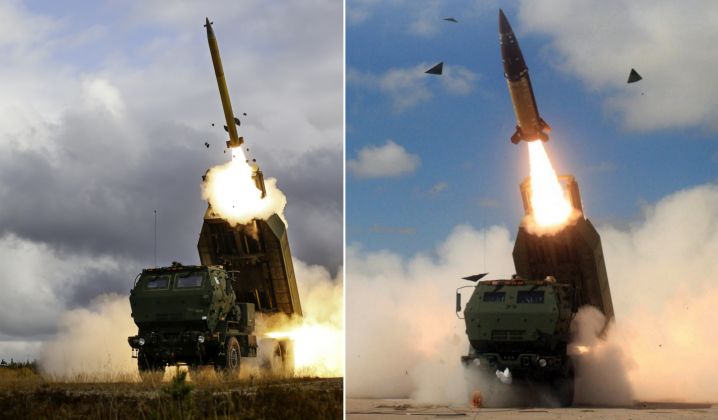
In February multiple reports indicated that the Republic of China Armed Forces, which remain in a state of civil war with the People’s Republic of China, will deploy HIMARS to the islands of Penghu and Dongyin. Dongyin, the northernmost island of the Matsu archipelago in the East China Sea, is located less than 10 kilometres from the mainland coast of China. The systems deployed to these locations are reportedly intended to integrate ATACMS ballistic missiles, placing key strategic targets in the firing line. Reports by Taipei-based media outlets have indicated that the Defence Ministry’s decision to increase its procurements of HIMARS systems, which can integrate ATACMS, to a total of 111 units, was taken specifically with the decision to deploy them to forward islands in mind.
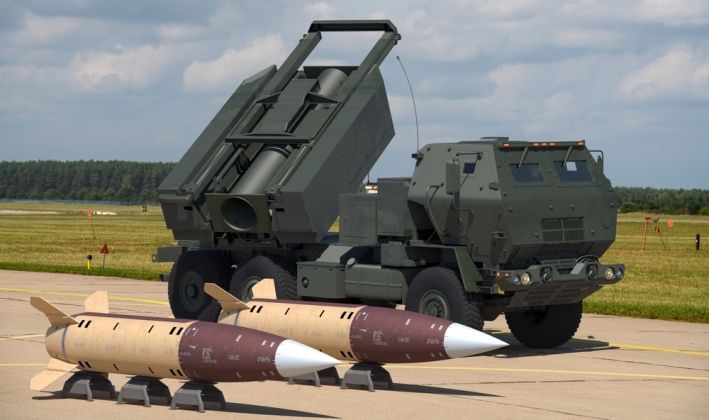
The Republic of China’s lack of international recognition or UN membership has made sales of high impact armaments like HIMARS and associated ATACMS by the United States appear highly controversial. These sales have gained greater geopolitical significance due to the U.S. Armed Forces’ obtaining of new authority to coordinate the Republic of China Army’s arsenals, following the establishment of a Joint Firepower Coordination Centre b in late January. U.S. personnel permanently stationed at the facility in Taipei oversee planning and potential use of local missile forces, including target selection, allowing the United States to effectively strike mainland Chinese targets by proxy.
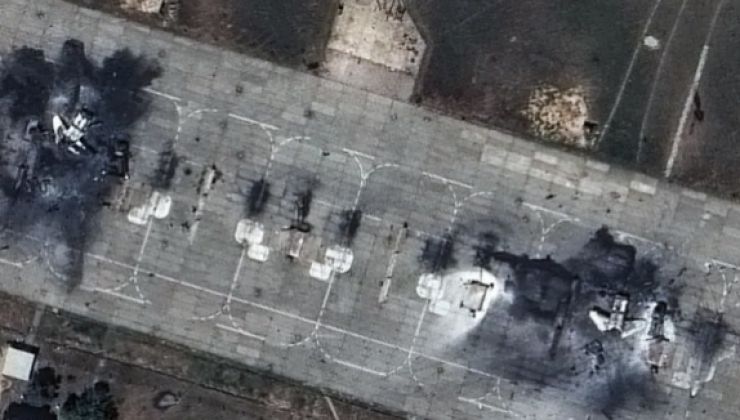
Highlighting the significance of HIMARS procurements, Vice Chairman of the Forward Auxiliary Association Li Wenzhong on March 5 criticised procurements of MIM-104 Patriot air defence systems, M1A2 Abrams tanks, and M109A7 self-propelled howitzers, as far from optimal for the Republic of China’s defence needs. By contrast, he praised the decision to procure HIMARS due to their combined high sophistication and the fact that their capabilities had been verified in actual combat. He singled out the system’s ability to launch ATACMS ballistic missiles with 300 kilometre ranges as being of particular high value due to its ability to strike high value targets across the Taiwan Strait. When deployed in the Ukrainian theatre, ATACMS have been used to neutralise multiple Russian targets, with examples including the destruction of parts of S-400 air defence systems, the destruction of other radar systems, the neutralisation of Russian Iskander-M ballistic missile launchers, and the destruction of high value combat aircraft on their runways. The are highly valued as low cost high impact asymmetric assets.
