
U.S., Dutch and Japanese F-35s Conduct Trilateral Stealth Fighter Drills Near Russian Far East
Military Watch Magazine Editorial Staff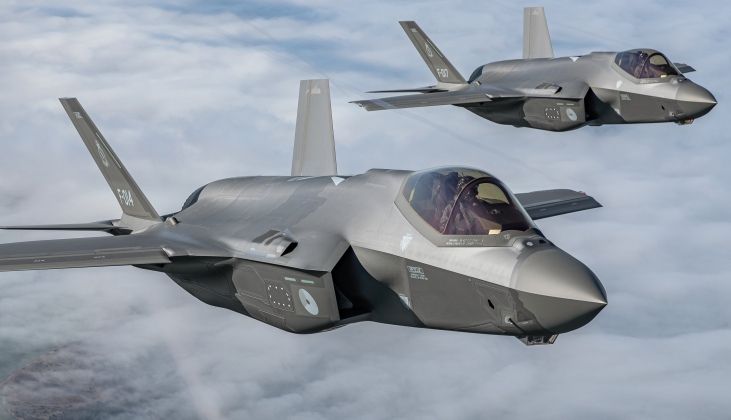
Royal Netherlands Air Force F-35A Fighters
Netherlands MoD
The Royal Netherlands Air Force has launched its first-ever fighter exercise from Japan’s Misawa Air Base, and on March 23 deployed F-35A fifth generation fighters from the facility to train with U.S. and Japanese forces air units, including the two countries’ own F-35s. Plans for the Netherlands’ first F-35 deployments to the Western Pacific region were first announced in December 2025, with the country’s ambassador to Japan, Gilles Beschoor Plug, elaborating on the rationales for an expanded presence. “The war in Ukraine, North Korea’s troop deployment to Russia and the potential impact of South China Sea disruptions on international trade highlight how much regional security developments have become globally interconnected... Given the growing threat to international peace, stability and the rules-based order, Japan, the Netherlands, as well as our allies and partners, need to help each other to tackle these challenges,” he stated.
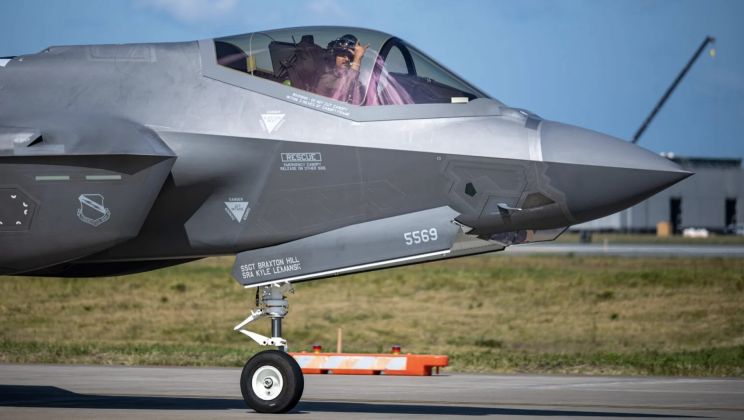
Ambassador Plug cited the growing capabilities of Chinese and North Korean forces, which are the leading two regional militaries of countries outside the Western sphere of influence, as a leading cause for concern, stating that his country would deploy new warships and F-35s to the region in 2026. A key goal would be to increase training with regional counterparts including the Japan Air Self Defence Force, as security issues affecting Europe and East Asia became increasingly intertwined, he observed. The Netherlands is one of multiple European states to have prioritised for deployments to Northeast Asia as part of broader alliance efforts to counter China. Italy deployed F-35A and F-35B fighters to the country in 2023 and 2024 respectively, while British F-35Bs operated in Japan in 2025.
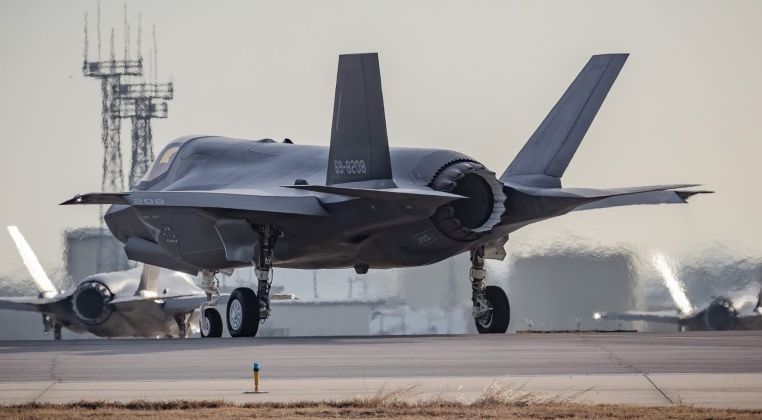
The Dutch contingent includes five F-35s and a supporting tanker, with high levels of interoperability with U.S. and Japanese systems allowing the fighters to seamlessly ‘plug in’ to local U.S.-led combat networks. Misawa Air Base a central major hub for U.S. and Japanese air operations, and is located particularly close to the Russian Far East. The Royal Netherlands Air Force was notably the first NATO member air force to achieve an air-to-air kill using the F-35, with a drone alleged to be of Russian originality having been shot down over Polish airspace on September 9-10, 2025. Dutch F-35 units are also trained to launch both tactical and strategic level nuclear attacks as part of a nuclear sharing agreement with the United States. The country was the second after the United States to operationalise the F-35 for nuclear attack roles.
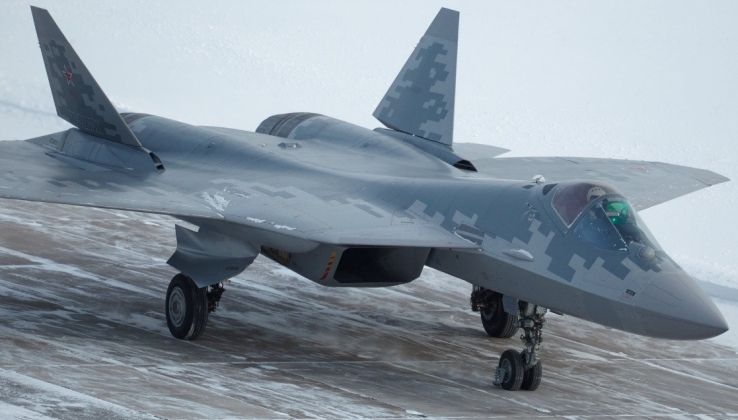
Japan is the only country to host overseas F-35 deployments under the U.S. Navy, Air Force and Marine Corps, with the presence of U.S. F-35s continuing to grow. The launching of trilateral exercises involving F-35s near the Russian Far East closely follows the Russian Aerospace Forces’ deployment of large numbers of their own fifth generation fighter type, the Su-57, at Dzyomgi Air Base in the Khabarovsk region near Japan. Despite deploying only a limited number of Su-57s, the Aerospace Forces have employed them extensively for air-to-air combat in the Ukrainian theatre, alongside their use for precision strike and air defence suppression missions. The deployment closely coincides with the delivery of a new batch of Su-57 fighters to the Aerospace Forces, which reportedly benefit from improved weaponry and avionics over those from prior batches, with this marking the first confirmed delivery in over six moths. The rapid expansion of the Su-57 fleet may pose new challenges to Western Bloc and allied air units in East Asia, although it is overshadowed far larger and more sophisticated Chinese fifth generation fleets which remain the primary challenge to Western air dominance.
