
U.S. Carrier Strike Group Leaves South China Sea as Washington Prioritises Buildup Against Iran
Military Watch Magazine Editorial Staff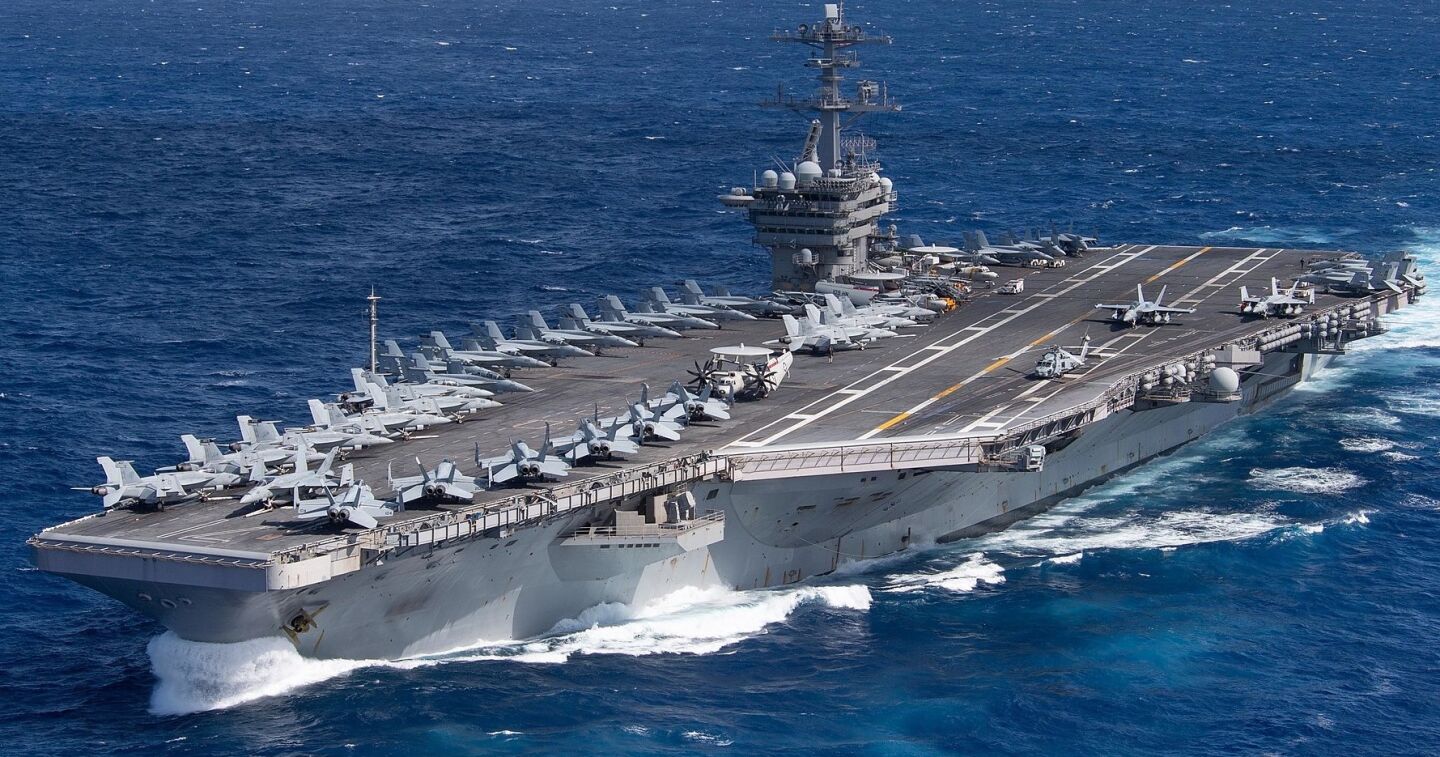
USS Theodore Roosevelt
Chinese commercial satellite imagery has revealed the movement of the U.S. Navy’s Theodore Roosevelt carrier strike group through the South China Sea, illustrating how commercial remote-sensing capabilities are making the movements of major naval formations increasingly visible. Imagery released by Chinese commercial satellite company MizarVision reportedly identified the Nimitz class nuclear-powered supercarrier USS Theodore Roosevelt, the cruiser USS Chosin, and the destroyer USS Roosevelt. The disclosure came as the carrier was transiting westward towards the Middle East following operations in the western Pacific. The imagery has highlighted that the tracking of high value naval assets is becoming increasingly straightforward, which has significantly implications for their survivability.
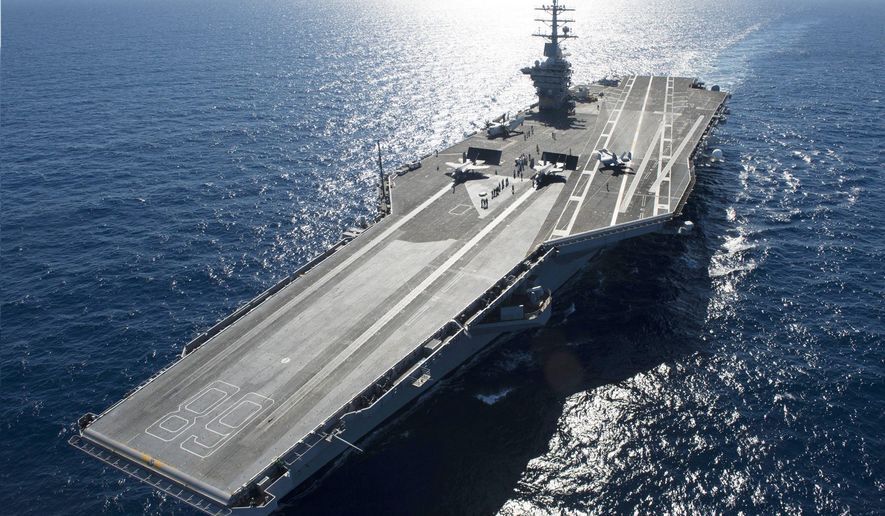
The Theodore Roosevelt departed its home port of San Diego on September 27 for a deployment to the U.S. Central Command area of responsibility. It is expected to reinforce American naval forces in the Middle East, potentially relieving the USS George Washington carrier strike group in the Arabian Sea. The USS George Washington had itself previously been operating in the Pacific, before being sent toward the Middle East to replace the USS Abraham Lincoln in August, after the Lincoln’s deployment had been extended far beyond normal limits by the war against Iran. The diversion of carrier groups away from the Pacific has highlighted the extent to which America’s strategic commitments are exceeding the capacity of its forces to maintain large presences in multiple theatres simultaneously.
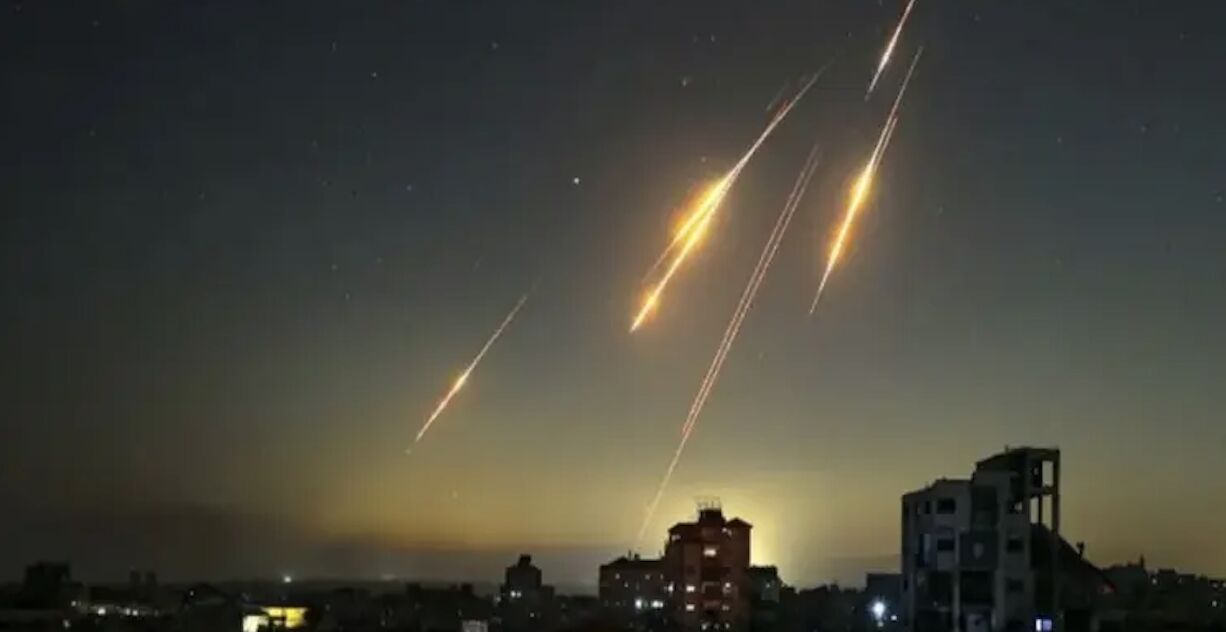
Maintaining a large presence in the Middle East has imposed tremendous costs on the U.S. Armed Forces, with the Navy suffering disproportionately heavily. The service’s arsenals of anti-missile interceptors have also been depleted at a wholly unsustainable rate, much as those of the Army have been. The carrier and destroyer fleets have faced particularly serious strain. The renewed Middle Eastern deployments have occurred as the Navy continues to experience significant difficulties keeping its surface combatants on their planned maintenance schedules. The United States’ inability to achieve its primary objectives in over eight months of hostilities, and the very considerable losses its forces have taken, has been widely assessed by analysts to be a likely turning point for perceptions of the country’s ability to project power militarily.
