
Nuclear Supercarrier USS Abraham Lincoln Kept at Sea For Over 200 Days: Major Record Broken as Strain on Carrier Fleet Worsens
Military Watch Magazine Editorial Staff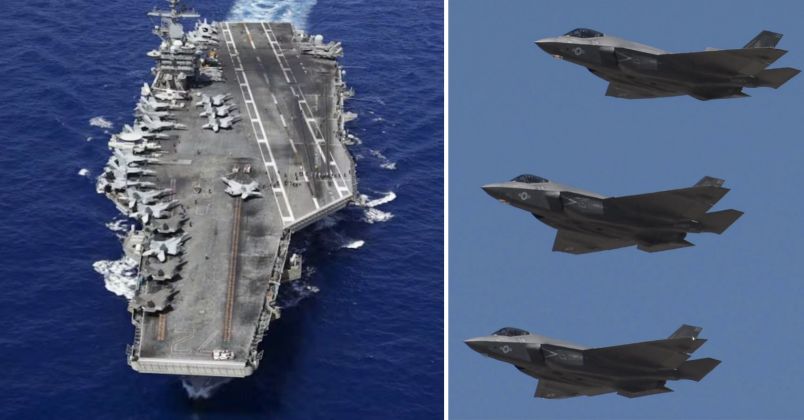
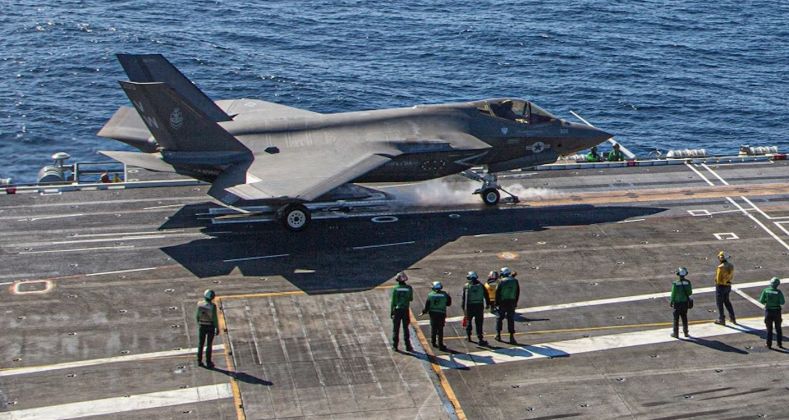
USS Abraham Lincoln and F-35Cs From Marine Fighter Attack Squadron 314
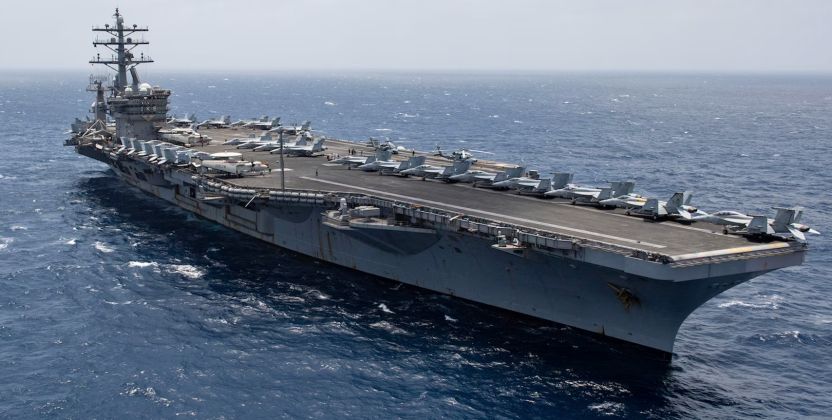
The U.S. Navy Nimitz class supercarrier USS Abraham Lincoln has reached one of the most demanding operational milestones ever achieved by a modern aircraft carrier, remaining continuously at sea for more than 200 consecutive days while supporting combat operations in the Middle East. The deployment highlights the growing strain imposed on the U.S. carrier fleet by simultaneous global commitments and growing issues with maintenance. The Abraham Lincoln, flagship of Carrier Strike Group Three, departed Naval Base San Diego on November 21, 2025, for what was initially expected to be a routine Indo-Pacific deployment. After a brief stop at Guam on December 11-12, the carrier immediately resumed operations, leaving port after only a single day.
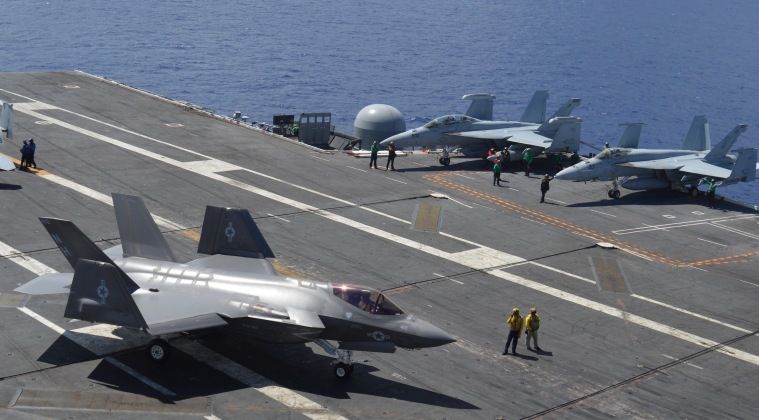
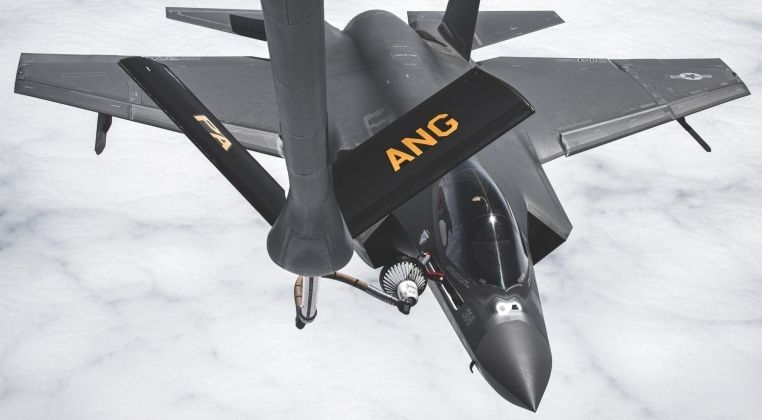
Since departing Guam, the Abraham Lincoln has remained continuously underway, first conducting operations in the South China Sea before transiting into the Indian Ocean and ultimately deploying to the northern Arabian Sea in January 2026. Shortly after its arrival, a Marine Corps F-35C fighter operating from the supercarrier shot down an Iranian Shahed 139 unmanned aircraft operating near the warship on February 3. After the initiation of a full scale assault against Iran on Operation Epic Fury on February 28, the Abraham Lincoln’s air wing became one of the principal naval assets supporting strikes on Iranian targets.
According to officers serving aboard the vessel, the deployment has already surpassed every previous period that a modern U.S. aircraft carrier has spent continuously at sea. Lieutenant Commander Alexis Travis, who serves aboard the ship, publicly stated that the crew had "officially claimed the title for most consecutive days at sea for any modern aircraft carrier." Although the USS Gerald R. Ford recently completed the longest overall deployment by an American aircraft carrier, lasting approximately 326 days, that deployment included numerous port visits throughout Europe and therefore did not approach the continuous at-sea endurance demonstrated by the Abraham Lincoln.
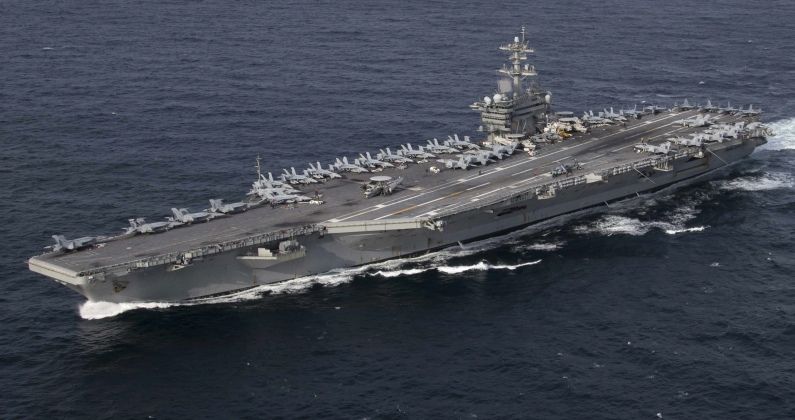
The USS Abraham Lincoln's exceptionally long deployment reflects a much broader trend that has increasingly affected the U.S. Navy over the past decade, as aircraft carriers are spending more time at sea, deployments are becoming longer and less predictable, and the fleet is under growing strain from simultaneous global commitments. Tensions with China and North Korea, renewed confrontation with Russia, instability in the Middle East, and repeated military interventions elsewhere have forced the Navy to keep carriers deployed for significantly longer periods. At the same time, the number of operational carriers has remained fixed at eleven, while the maintenance burden on the ageing Nimitz class fleet has steadily increased. A major structural challenge has been the declining predictability of carrier availability, with routine depot maintenance periods having become longer as ships age, and as delays at naval shipyards have worsened.
The Navy's experience over the past decade illustrates this growing pressure. The USS Harry S. Truman saw multiple deployments extended to support operations in Europe and the Middle East. The USS Dwight D. Eisenhower completed one of the longest and most demanding deployments in recent history while conducting sustained combat operations against Houthi missile and drone attacks in the Red Sea. The USS Gerald R. Ford remained deployed for over ten months as the United States sought to deter regional escalation following the outbreak of the Gaza War. The USS Abraham Lincoln now represents the latest example of a fleet increasingly required to remain on station far beyond traditional deployment lengths.
Operational pressures from extended deployments have significant consequences for both personnel and equipment. Crews experience greater fatigue, declining morale, and increased family separation during deployments that increasingly approach or exceed nine months. Longer periods at sea also accelerate wear on propulsion systems, catapults, arresting gear, aircraft elevators, radar systems, and aviation support equipment, increasing maintenance requirements once carriers finally return to port. Carrier air wings similarly experience higher aircraft utilisation rates, shortening the service lives of airframes and engines while increasing maintenance workloads.
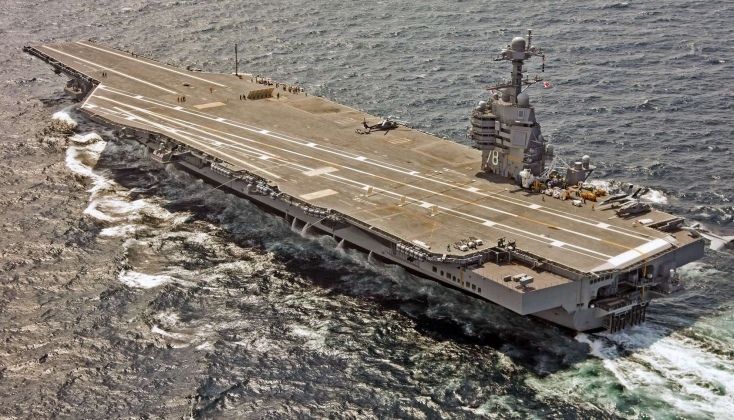
A significant further contributor to the strain on the U.S. Navy’s carrier fleet has been the major delays to the Gerald Ford class carrier program. The first ship of the class, USS Gerald Ford, has suffered from wide ranging issues affecting its weapons elevators, electromagnetic catapults, human waste management and sensors among other systems. The warship belatedly entered service in June 2017, and could not commence its first operational deployment for over five years until October 2022, while even after deploying, the new ship has proven highly problematic. Major delays to the construction of the second ship of the class, the USS John F. Kennedy, have raised concerns that the vessel could be similarly problematic.
